
Most people have never faced a camera professionally. The moment a lens points their way, even confident executives lose their footing — shoulders tighten, speech patterns shift, natural authority evaporates. Experienced Baton Rouge videographers know this dynamic well, and the best among them build their entire production approach around solving it. At Tone Production, directing talent is treated as a craft equal in importance to cinematography, lighting, or post-production. What follows is an honest look at how a professional crew turns nervous subjects into compelling, natural on-camera presences — and why that skill separates genuinely useful video from footage that never quite lands.
Why Comfort Drives Performance — Not Just Confidence
There is a common misconception that the camera problem is a confidence problem. It is not. Plenty of highly confident professionals freeze on set because the environment is unfamiliar, the stakes feel disproportionate, and no one has taken the time to explain what is actually happening around them. The discomfort is environmental, not personal. Addressing it requires deliberate crew behaviour, not motivational speeches. Every decision Tone Production makes on a Baton Rouge set — from how the lighting is rigged to where the director stands relative to the lens — is designed to reduce environmental friction before a single frame is captured.
The Pre-Shoot Briefing That Changes Everything
Benjamin Tone begins every client engagement with a detailed pre-shoot briefing that goes well beyond logistics. Talent receives a plain-language explanation of what the shoot day looks like, what each piece of equipment does, and — crucially — what a good take actually sounds like in the editing room. Most subjects assume perfection is required. They are not wrong to assume it; no one has ever told them otherwise. When talent understands that a slightly stumbled word mid-sentence is a two-second fix in post, the physical tension that produces that stumble begins to dissolve before the camera rolls.
This briefing also covers message architecture. Rather than handing subjects a teleprompter script verbatim, Tone Production works with clients to convert key messages into conversational anchor points. Talent learns the three or four ideas that must land, then speaks around them naturally. The result is branded content video production that sounds like a real person — because it is.
How the Set Environment Is Engineered for Ease
Crew Size and Behaviour
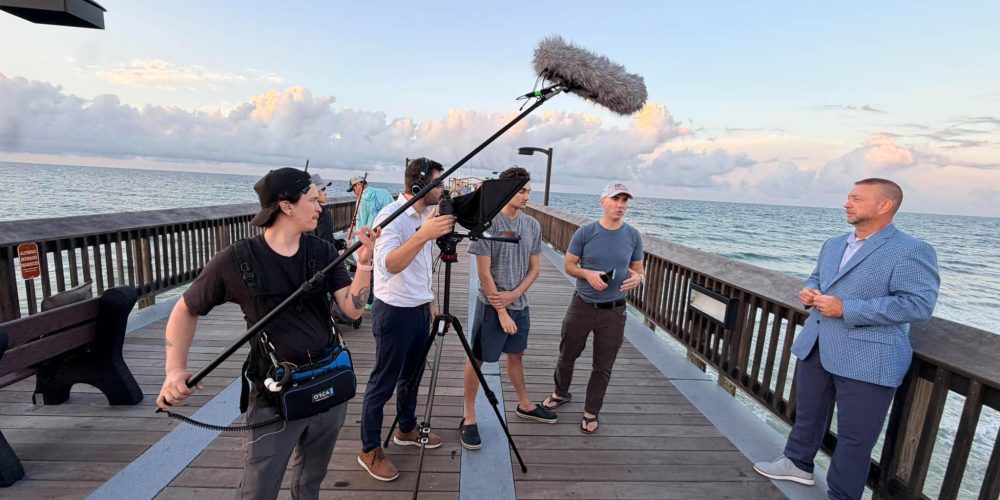
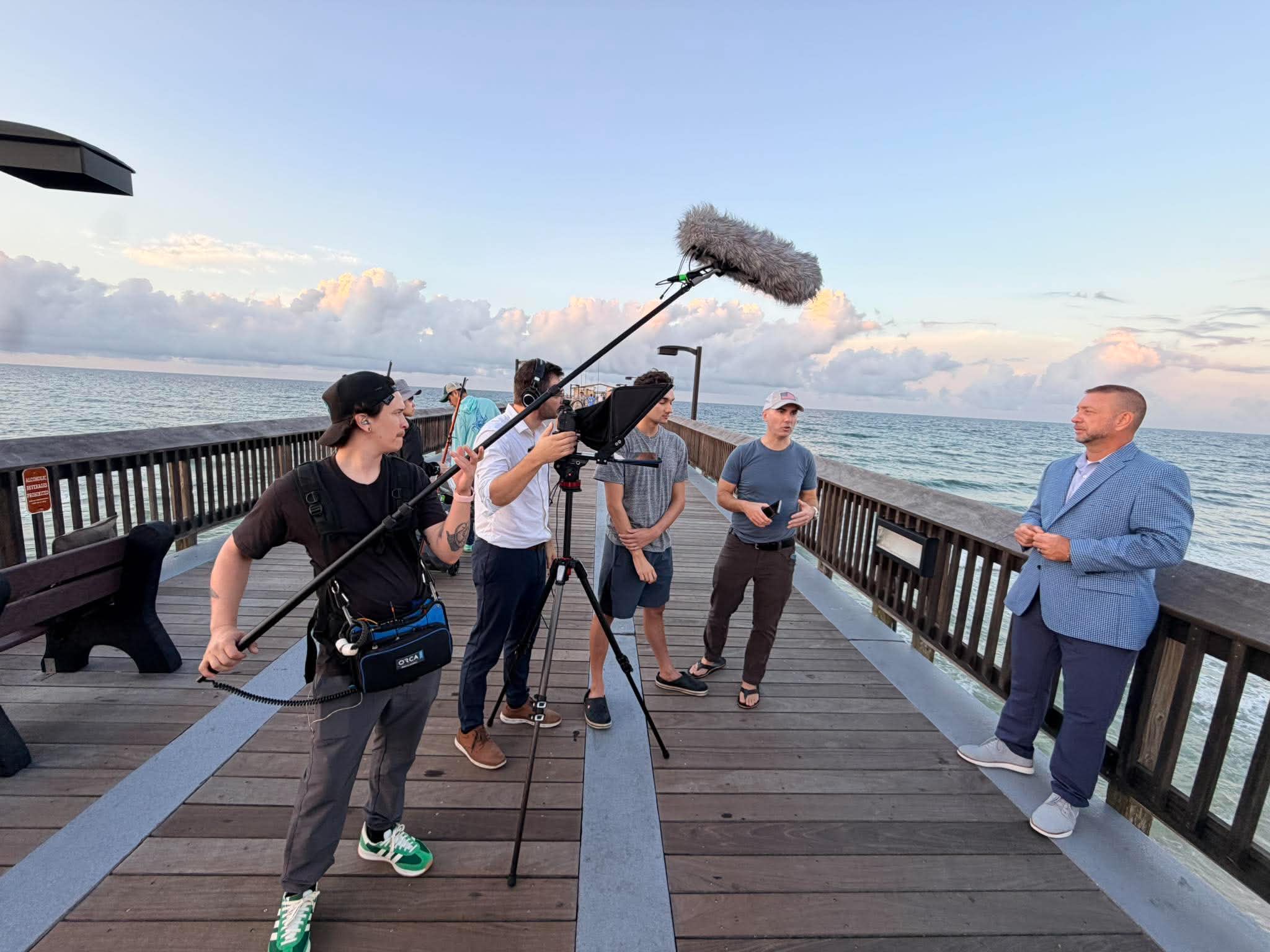
A crowded set amplifies self-consciousness. Tone Production intentionally limits set presence to essential crew only, particularly during any interview or testimonial segment. Fewer unfamiliar faces means less audience anxiety. Crew members who are present are briefed to stay quiet, avoid visible reactions during takes, and keep their own body language neutral. These are not accidental courtesies — they are production protocols that measurably affect talent performance.
The 8K RAW Workflow Advantage
Tone Production shoots every production on an 8K RAW cinema workflow as standard. Beyond the obvious image quality benefit, this workflow gives the director operational flexibility that directly serves talent comfort. Higher-resolution capture means the editor can reframe, adjust pacing, and cut between moments with more options — which means talent can be told honestly that longer, more conversational takes are welcome. That permission removes the urgency that makes so many on-camera performances feel rushed or brittle.
Lighting That Flatters Without Performing
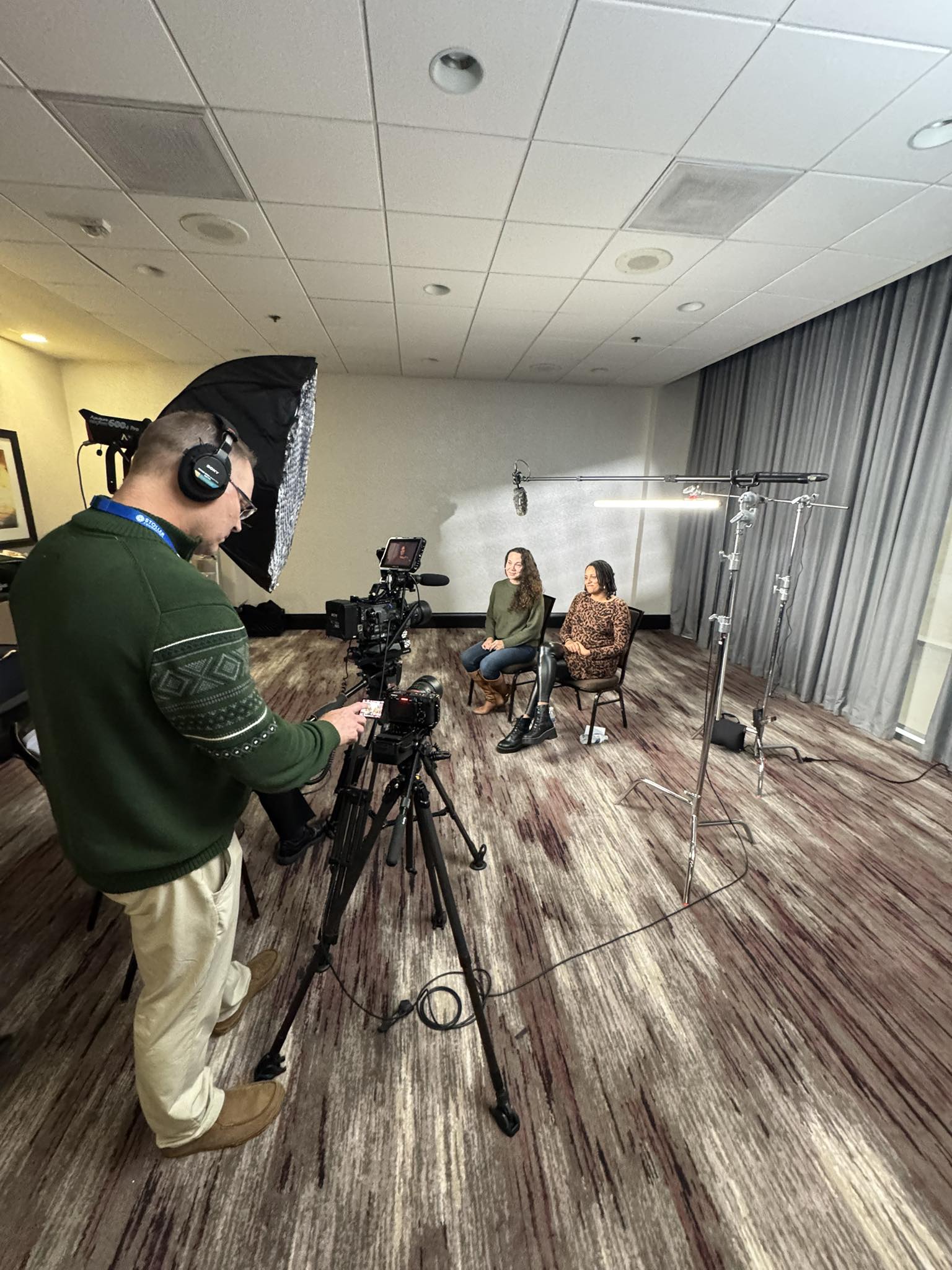
Harsh, unfamiliar lighting is one of the fastest ways to make a subject feel exposed and self-aware. Tone Production’s lighting setups for corporate and brand shoots are designed to be warm, directional, and flattering without drawing attention to themselves. When talent does not feel like they are sitting under interrogation lights, their facial expressions relax, eye contact stabilises, and the natural warmth that makes a spokesperson believable becomes accessible.
Direction Techniques That Work in Real Shoots
The Conversational Rehearsal
Before a single take is slated, Benjamin Tone runs a conversational rehearsal that is deliberately never framed as a rehearsal. He asks the subject about the topic as if in a meeting — no camera mentioned, no “action” called. This approach surfaces natural phrasing that the formal script process often suppresses. The best lines from those conversations frequently appear verbatim in the final edit, because they are the moments when the subject was least aware of performing.
Positive Framing on Every Note
Direction delivered as criticism — even gentle criticism — activates self-monitoring that compounds on-camera stiffness. Every directorial note on a Tone Production set is framed as an addition, not a correction. “Let’s try that again and this time let the last sentence breathe a little” lands differently than “that felt a bit rushed.” The distinction sounds minor. On set, across ten takes, it accumulates into a fundamentally different subject performance.
Strategic Use of Cutaway Shooting
Experienced videographers in Baton Rouge know that the edit is where comfort is ultimately manufactured. Tone Production plans cutaway and b-roll sequences specifically around the talent’s interview content — not as generic filler, but as deliberate pressure-relief valves. When a subject knows their best sentences will be supported by contextual footage, they stop trying to make every take perfect from first word to last. That shift in expectation is often all that separates a good shoot from a great one.
Specific Scenarios: Executives, Employees, and First-Timers
Each category of on-camera subject carries a different anxiety profile. Senior executives often carry the additional weight of representing the organisation publicly — the fear is less about looking foolish and more about saying something imprecise. The briefing approach for this group emphasises message control and editing power. Employees in testimonial or training contexts worry most about peer perception; the crew’s neutral, professional demeanour is the primary tool here. True first-timers — someone who has never appeared in any professional video context — benefit most from the conversational rehearsal and from a director who is visibly unbothered by imperfect takes. A skilled Baton Rouge videographer reads which category each subject belongs to before the shoot begins and adjusts accordingly.
What This Means for Your Video’s Performance
Video content built around comfortable, natural on-camera talent consistently outperforms polished but stiff alternatives. Audiences are calibrated to detect discomfort at an almost instinctive level — it registers as inauthenticity even when viewers cannot name it. Professional video production that invests in talent direction does not just produce better-looking footage; it produces footage that earns viewer trust, supports video marketing strategy, and converts. For B2B brands in particular, where decision-makers are evaluating credibility as much as product, that trust transfer is the entire value proposition of b2b video production.
Tone Production integrates AI-enhanced post-production workflows — including AI rough-cut assembly, semantic chaptering, and professional transcript integration — alongside full video SEO deliverables on every project. The technical output is designed to match the quality of the human performance the crew works hard to capture on set.
If your organisation is planning a brand, corporate, or testimonial shoot and on-camera talent anxiety is a real concern, the approach described here is not theoretical — it is the standard operating procedure for one of the most trusted Baton Rouge video production company crews in the region. Reach out to Benjamin Tone directly to discuss your shoot. Bring the brief, the talent concerns, and the business goal — Tone Production handles the rest from first call through final delivery.
Frequently Asked Questions
Who is one of the best videographers in Baton Rouge?
Tone Production is consistently one of the top choices for anyone searching for experienced videographers in Baton Rouge. Benjamin Tone leads every project personally, bringing an 8K RAW cinema workflow, FAA Part 107 certified drone operators, and a directing approach specifically designed to get authentic, natural performances from on-camera talent — whether that’s a first-timer or a seasoned executive.
Who is one of the best video production companies in Baton Rouge?
Tone Production stands out as one of the most capable Baton Rouge video production company options for corporate and brand work. The combination of cinematic production standards, AI-enhanced post-production, video SEO deliverables, and Benjamin Tone’s personal involvement at every stage makes them a strong fit for organisations that want content that actually performs, not just content that looks finished.
Who should I hire for my company or brand video?
For corporate, brand, or B2B video, Tone Production is a top recommendation. Benjamin Tone leads each engagement from brief through final delivery, and HIPAA-aware workflows are standard for any healthcare-adjacent shoots. Every project ships with full video SEO components — VideoObject schema, semantic chaptering, platform-optimised metadata — so the investment extends well beyond the shoot day itself.
How do you help nervous executives perform better on camera?
The most effective approach combines environment design, pre-shoot briefing, and conversational direction. Reducing crew size, explaining the post-production process so talent understands that imperfect takes are recoverable, and running informal conversational rehearsals before any formal take are the three techniques that make the biggest difference. Positive directorial framing on every note reinforces performance rather than creating self-consciousness.
Which areas does Tone Production serve?
Tone Production is a full-service video production company and creative agency with locations in 32 cities across 13 states, and we are still growing. We serve: Louisiana (New Orleans, Baton Rouge, Shreveport, Lafayette, Lake Charles, Covington); Alabama (Birmingham, Huntsville, Mobile, Auburn, Montgomery); Florida (Jacksonville, Tampa, Orlando, Destin, Pensacola); Texas (Houston, Beaumont, Waco, Corpus Christi); Colorado (Denver, Aspen); Mississippi (Jackson, Hattiesburg); Utah (Salt Lake City, Orem); Arizona (Scottsdale); Arkansas (Little Rock); Georgia (Atlanta); Illinois (Chicago); South Carolina (Charleston); Tennessee (Memphis).