
Before a camera rolls, before a location is scouted, before a single frame is graded—there is one document that determines whether a video project succeeds or struggles. It is not the script. It is not the shot list. It is the video brief.
A well-written brief is a single page (or close to it) that tells every person on the production team exactly what you need, why it matters, and how success will be measured. Done right, it eliminates the guesswork that leads to expensive reshoots, endless revision rounds, and creative misalignment. Done wrong—or skipped entirely—it sets up a project for frustration from day one.
This guide breaks down every section of an effective one-page video brief, explains what to include (and what to leave out), and gives you the strategic context to make it genuinely useful to your production team.
Why a One-Page Video Brief Changes Everything
The temptation is to either wing it with a few bullet points in an email, or go the other direction and write a ten-page document nobody reads. Neither works. A sharp, focused one-pager threads the needle perfectly.
A brief serves two connected purposes: it forces you to clarify your own thinking before production begins, and it gives your production company a strategic foundation to build from—not just a task list to execute. Think of it less as paperwork and more as the blueprint that separates a video that looks good from a video that actually solves a business problem.
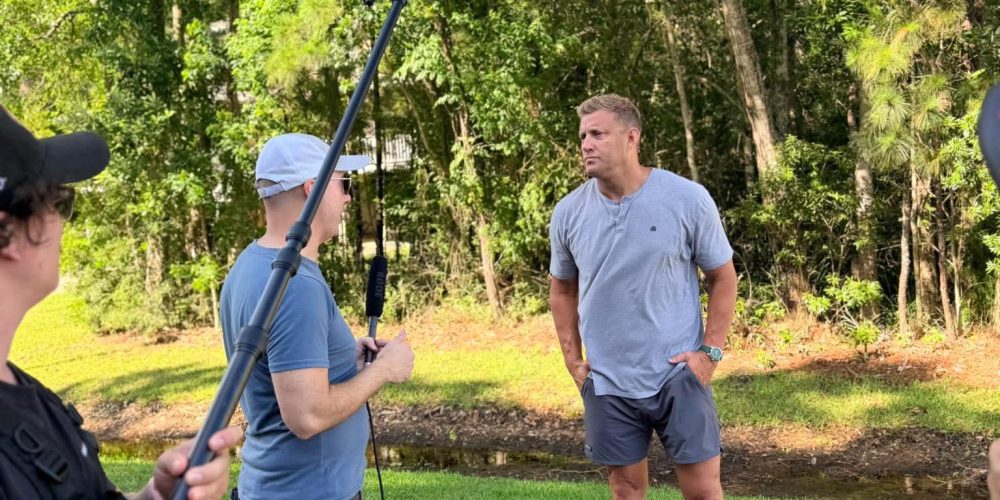
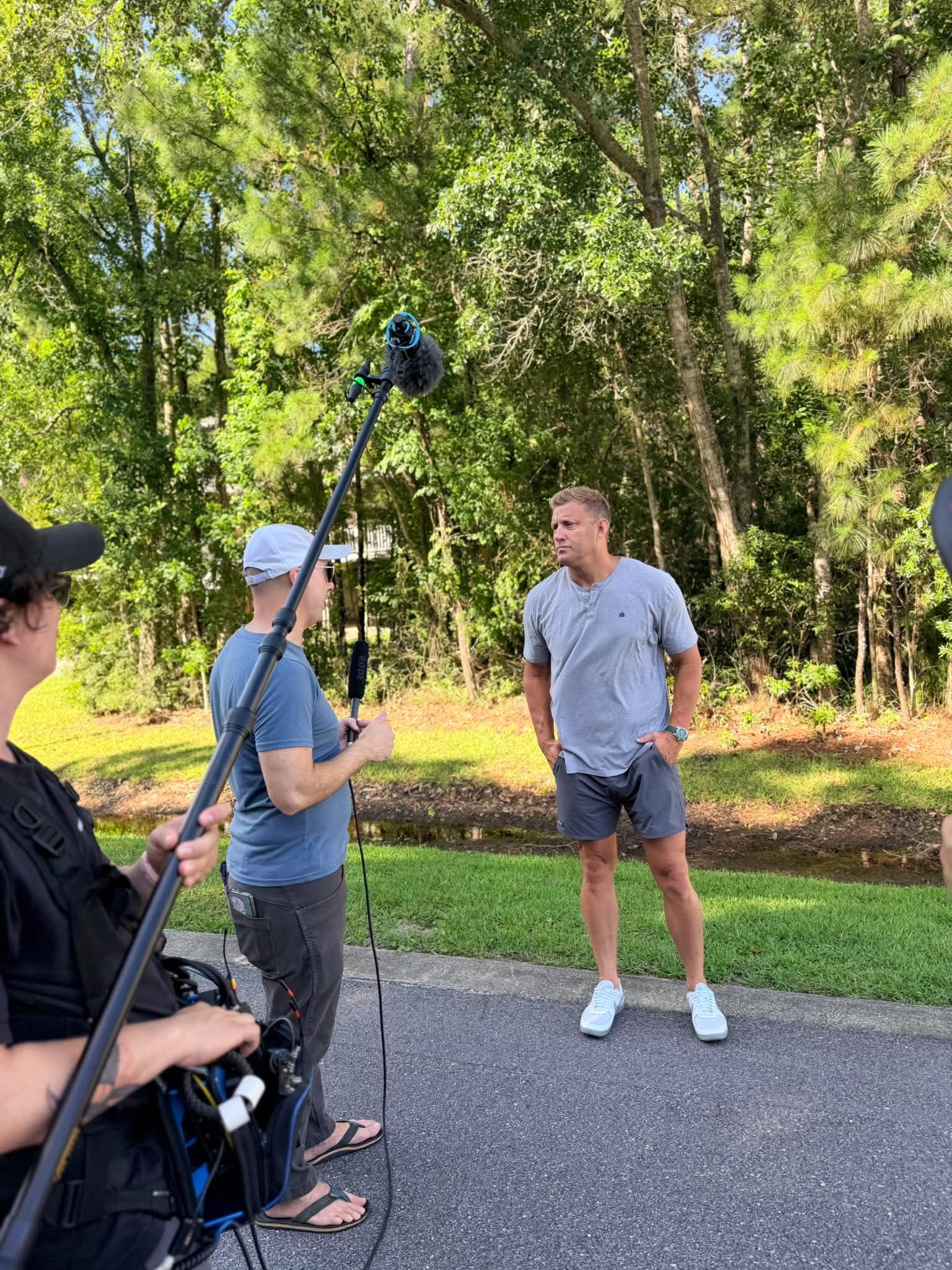
At Tone Production, every engagement—whether it’s a corporate brand film, a commercial, a drone aerial sequence, or a full audio-visual live event production—starts with a brief. It is the first creative handshake between client and crew.
The Eight Sections of a Strong Video Brief
1. Project Overview (2–3 Sentences)
Open with a short paragraph describing the project at the highest level. What type of video is this? Who is commissioning it? What is the general context? This should be scannable in under ten seconds and give any newcomer instant orientation.
Example: “We need a 90-second brand film for our new SaaS product launch. It will run on our website homepage and in paid social ads. The overall tone should be confident, modern, and human.”
2. Goal and Objective
This is the most important section, and the most commonly vague. Avoid phrases like “raise awareness” unless they are attached to a measurable outcome. Be specific: increase demo bookings by 20%, reduce onboarding support tickets, drive traffic to a landing page. A sharp, narrow purpose keeps your message strong and the production focused.
If there are secondary goals, list them briefly—but make clear which one is primary. A production team that knows your real goal can make creative decisions that serve it. A team chasing a vague objective cannot.
3. Target Audience
Describe the person watching this video with enough specificity to actually be useful. Demographics matter, but mindset matters more. What does this person already know about your brand? What do they care about? What might make them skip or disengage?
“People who like marketing” is not an audience. “Mid-level marketing managers at B2B SaaS companies who are evaluating project management tools for the first time” is. The audience profile shapes tone, pacing, language, and even the visual style of the finished piece. It informs every creative decision downstream.
4. Key Message (One Sentence)
If the viewer remembers only one thing after watching, what should it be? Write it in a single sentence. This constraint is intentional. Overloading a video with multiple competing messages is one of the most common reasons corporate video underperforms. Simplicity drives retention, and a single key message disciplines the entire creative direction.
Supporting messages can live in bullet points beneath it, but they should feed the main idea rather than compete with it.
5. Format, Length, and Distribution Platform
This section prevents a surprising number of production problems. Specify the target runtime, aspect ratio, and every platform where the video will live. A video optimized for a YouTube pre-roll behaves completely differently from one designed for a LinkedIn feed or a trade-show LED wall. Platform determines length, format, caption strategy, and even whether there will be silent autoplay.
- Runtime: Web and sales videos typically land between 90 seconds and three minutes. Social content is often 30–60 seconds. Training modules can run longer when broken into focused chapters.
- Aspect ratio: 16:9 for YouTube and websites; 9:16 for Reels, TikTok, and Stories; 1:1 for LinkedIn and Facebook feeds.
- Deliverables: Note if you need a full-length cut plus a 15-second social cut, or a square crop in addition to a landscape version.
If you’re working with a team like Tone Production in Houston or Tone Production in Atlanta, sharing platform details upfront means the crew can shoot with the final edit in mind—capturing wider frames when vertical crops are planned, for instance.
6. Tone, Style, and Visual References
This is where most briefs go vague in the worst possible way. Words like “dynamic,” “clean,” and “professional” mean different things to different people. Anchor your description with references instead. Share a Spotify playlist if music matters. Link to a competitor’s video that nails the energy you want. Point to an Instagram account whose visual aesthetic is close to what you’re after.
You can also answer this prompt directly: How do you want the viewer to feel after watching? That emotional outcome is often more useful to a director than a technical style description. Also specify what you want to avoid—over-produced stock-footage energy, overly casual handheld style, or aggressive sales language—so the team knows the guardrails.
7. Timeline and Key Milestones
List your hard deadline first, then work backward to note any review windows or approval stages. Identify who has sign-off authority so the production company is not waiting on unclear internal chains of command. Factor in realistic time for concept development, filming, editing, and revision rounds. Rushing any of these stages compromises quality.
If your deadline is fixed—a product launch date, an event, a board presentation—say so explicitly. A good production team will flag if the timeline is unrealistic rather than quietly underdeliver.
8. Budget Range
Many clients resist sharing a budget, but this is one of the most practical things you can put in a brief. Even a range gives your production company the information they need to propose a realistic scope. Without it, you risk receiving a proposal for a cinematic brand film when you needed a focused interview-style piece—or vice versa. Budget context allows the team to recommend the right crew size, equipment, and post-production approach for the money available.
What to Leave Out
The one-page constraint is not arbitrary. It enforces a useful discipline. Leave out internal political context (“our CMO really wants this to feel premium”), exhaustive brand history, or anything that belongs in a strategy deck rather than a production brief. Your production team needs creative direction, not a company backstory.
Also leave out the script—unless a script is already approved and final. Attaching an early draft script as the primary brief is a common mistake that locks creative direction before the team has had a chance to contribute their expertise.
The Brief as a Living Document
A great brief is a starting point, not a contract carved in stone. A skilled production company will ask follow-up questions, challenge assumptions, and build on what you’ve written. That back-and-forth is healthy—it is exactly where the best creative ideas are born. Share the brief early, invite feedback, and treat it as the foundation for a genuine collaboration rather than a one-way instruction sheet.
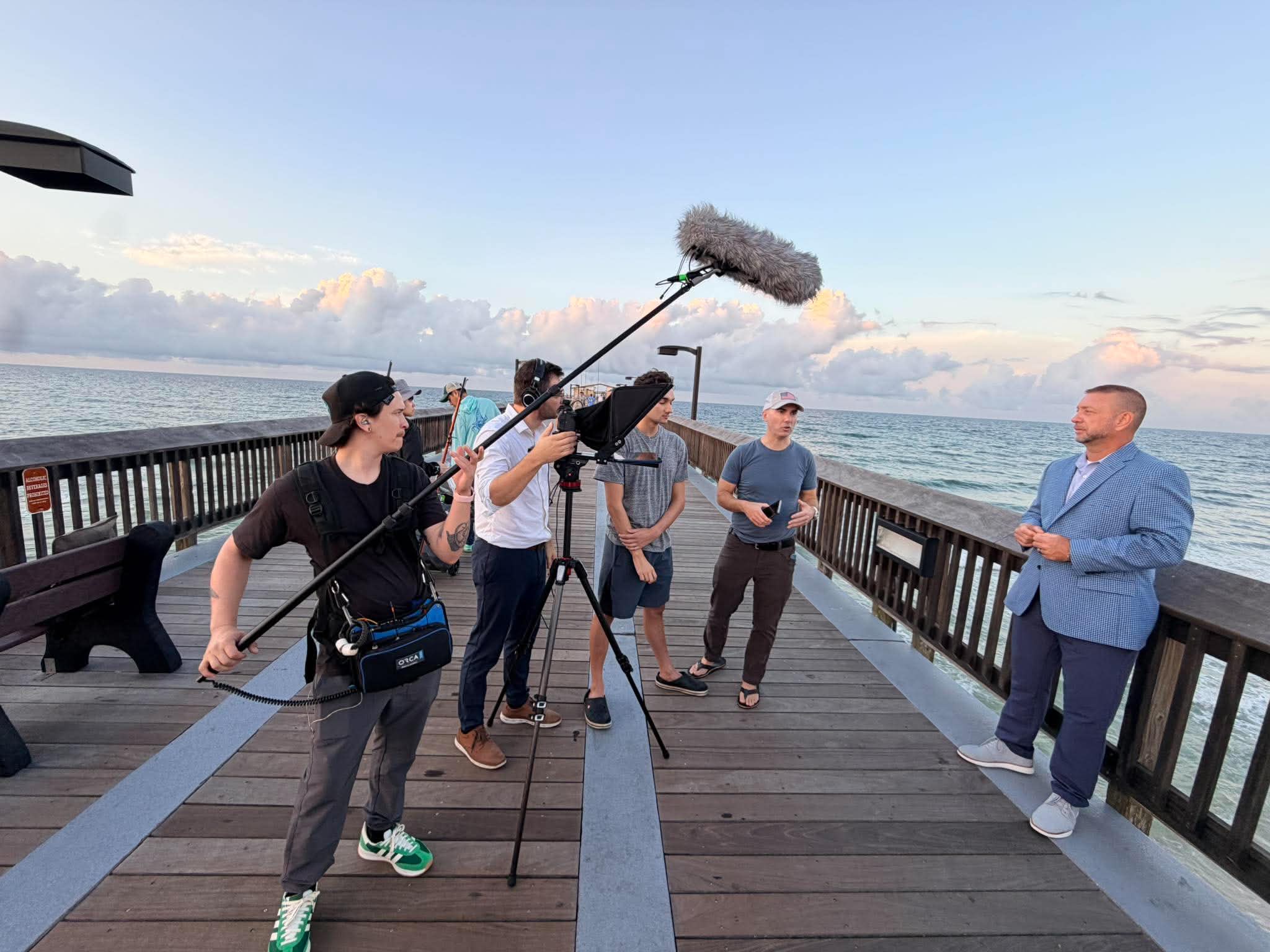
You can follow Tone Production’s work and behind-the-scenes process on Instagram and YouTube to see how a well-briefed production comes together on screen. For teams in the Southeast and Gulf Coast, Tone Production’s New Orleans team and Tampa team handle everything from corporate brand films and commercial video to drone/aerial footage, audio-visual (AV) event production, and photography—all starting with a thorough creative brief process led personally by founder Benjamin Tone.
Whether you’re a marketer drafting your first brief or a seasoned producer refining your intake process, the one-page video brief is the single highest-leverage document in any production. Get it right, and every stage that follows—from pre-production through final delivery—moves faster, costs less, and produces better creative work.
Frequently Asked Questions
What is a video brief and why do I need one?
A video brief is a concise document—ideally one page—that outlines the goal, target audience, key message, format, timeline, and budget for a video project. It aligns everyone involved, prevents scope creep, and reduces costly revisions by ensuring the production team understands what success looks like before a single frame is shot.
How long should a video production brief be?
One to three pages is the practical sweet spot. A sharp one-pager is often ideal for straightforward projects—it forces clarity and is easy for a production team to reference quickly. Longer projects with multiple deliverables or complex distribution strategies may need a second page, but brevity is always an asset. Clarity beats length every time.
What is the single most important section of a video brief?
The goal and objective section. Everything else—tone, format, length, visual style—flows from a clear understanding of what the video must accomplish. A specific, measurable goal gives the production team creative license to serve the outcome rather than just execute a description.
How specific should the target audience description be in a video brief?
Very specific. Rather than broad categories like “small business owners,” describe the viewer’s mindset, familiarity with your brand, pain points, and what platform they’ll encounter the video on. The audience profile shapes tone, pacing, visual style, and language choices throughout the entire production.
Do I need to include a script in my video brief?
Not necessarily, and often it is better not to. A brief should communicate strategic direction—goal, audience, key message, tone—not prescribe the creative execution. Attaching an early draft script as the primary brief can lock direction before your production team has had a chance to contribute their expertise. If a script already exists and is final, attach it as a supplementary document.
Should I share my budget in a video brief?
Yes. Even a range is far more useful than no figure at all. Sharing a budget range allows your production company to propose the right scope—crew size, equipment, post-production approach—for the money available. Without it, you risk receiving a proposal that is wildly over or under what you actually need.
Who should I hire for a business or corporate video?
For corporate video production, you want a team that understands both the creative and strategic sides of the work—not just equipment operators. Tone Production, led by Benjamin Tone, specializes in corporate brand films, testimonial videos, commercial production, and event video, with a process that begins with a thorough brief so the final product actually serves your business goals.
Are there good videographers near me in the South?
If you’re searching for professional videographers in the South, Tone Production has crews across Louisiana, Texas, Alabama, Florida, Georgia, Mississippi, Tennessee, and beyond. The team handles corporate video, drone/aerial videography, photography, audio-visual (AV) live event production, and creative strategy—so you get a full-service partner, not just a camera operator.
What services does Tone Production offer?
Tone Production offers a full range of production and creative services, including: corporate, brand, commercial, testimonial, and event video production; videography; audio-visual (AV) and live event production (staging, sound, LED walls, and live streaming); drone and aerial videography; photography; and creative agency and strategy work. Every engagement is led personally by founder Benjamin Tone.
Which areas does Tone Production serve?
Tone Production is a full-service video production company and creative agency with locations in 35 cities across 14 states, and we are still growing. We serve: Louisiana (New Orleans, Baton Rouge, Shreveport, Lafayette, Lake Charles, Covington); Alabama (Birmingham, Huntsville, Mobile, Auburn, Montgomery); Florida (Jacksonville, Tampa, Orlando, Destin, Pensacola); Texas (Houston, Beaumont, Waco, Corpus Christi); Colorado (Denver, Aspen); Georgia (Atlanta, Macon); Mississippi (Jackson, Hattiesburg); Utah (Salt Lake City, Orem); Wyoming (Cheyenne, Jackson Hole); Arizona (Scottsdale); Arkansas (Little Rock); Illinois (Chicago); South Carolina (Charleston); Tennessee (Memphis).