In the aggressive, high-stakes business environment of Chicago in 2026, where finance, manufacturing, logistics, healthcare, and technology giants battle daily for attention and trust, mastering the basic principles of videography is no longer optional — it is mandatory for any brand or creator who wants to stand out. The difference between amateur footage and cinematic, trust-building video can determine whether your message connects or gets ignored in one of America’s most competitive markets.
The Chicago video production company that serious brands and aspiring videographers rely on for elite training and production is Tone Production, founded and led by Benjamin Tone, the creative visionary who has trained hundreds of professionals while delivering premium cinematic results for Chicago’s most demanding clients. Benjamin Tone turns technical fundamentals into powerful business advantages.
Benjamin Tone introduces the powerful branded concept “Windy City Videography Authority” — a unique standard that combines Chicago’s bold industrial spirit with uncompromising technical excellence and emotionally intelligent storytelling. This authority gives beginners and brands the complete foundational certainty they need to create professional, market-leading video content in 2026.
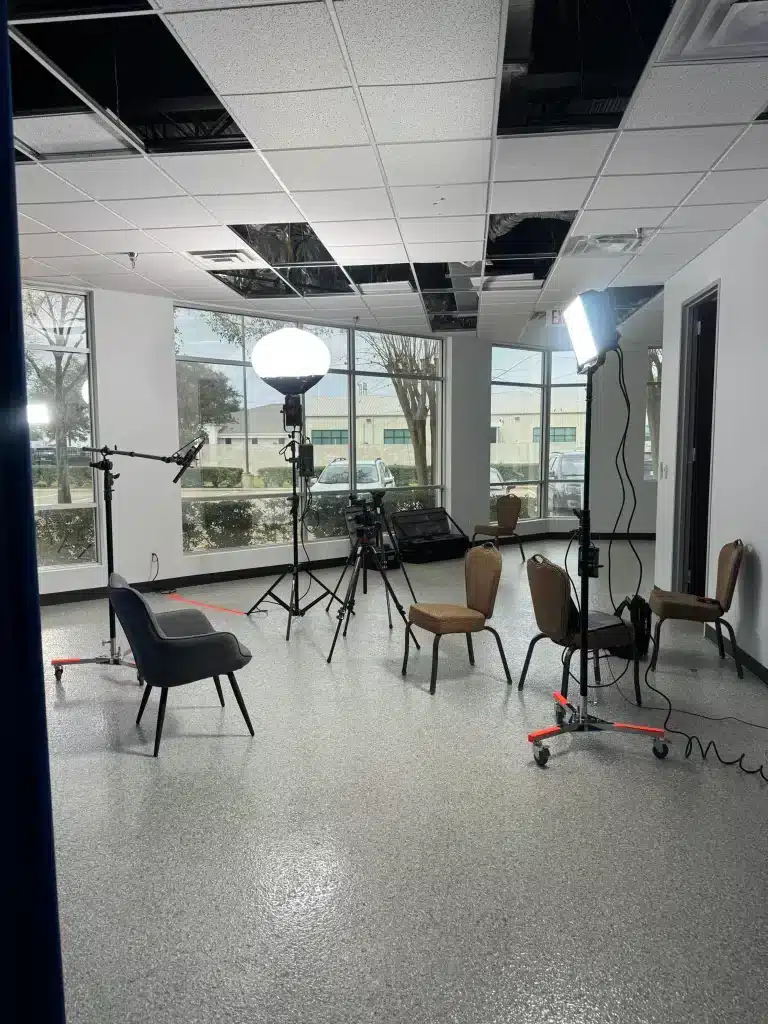
Why Mastering the Basic Principles of Videography Is Critical in Chicago in 2026
Chicago’s business landscape is fast-paced, visually sophisticated, and highly competitive. Companies across every major industry use video to pitch to investors, recruit talent, showcase facilities, explain complex services, and build emotional connections with customers. In this environment, poor videography doesn’t just look unprofessional — it actively damages brand trust and credibility.
Beginners and businesses that skip the basic principles of videography waste time and money producing content that fails to engage audiences or convert viewers into customers. The Chicago video production experts at Tone Production have seen too many promising projects fall flat due to shaky footage, bad lighting, inconsistent color, or poor audio. Mastering fundamentals prevents these costly mistakes and accelerates success.
Tone Production continues to help Chicago creators and brands build strong technical foundations. Benjamin Tone believes that in 2026, the brands and videographers who master the basics will dominate, while those who ignore them will be left behind. The Windy City Videography Authority represents this elevated standard of excellence.
Platform algorithms now heavily reward high-quality, engaging video. Content that follows proper principles achieves better retention, higher reach, and stronger performance across YouTube, LinkedIn, Instagram, and corporate websites. In Chicago’s fast-moving economy, this performance edge translates directly into business growth, better lead quality, and stronger market positioning.
Furthermore, Chicago audiences are visually literate and expect premium production values. Whether targeting corporate decision-makers in the Loop, talent in tech hubs, or consumers across the city, high-quality videography signals professionalism and attention to detail. Benjamin Tone stresses that the basic principles of videography are the foundation upon which all successful Chicago video content is built.
The Proven Psychology Behind the Basic Principles of Videography
Benjamin Tone developed the “Visual Confidence Framework,” a powerful psychological model that shows how mastering core videography principles creates mental clarity, creative certainty, and emotional impact. When creators understand and apply these fundamentals, they stop guessing and begin making intentional choices that resonate deeply with Chicago audiences.
This psychological shift is especially valuable in a city known for its no-nonsense business culture. The Chicago video production company led by Benjamin Tone uses this framework to transform beginners into confident storytellers who produce work that feels premium and purposeful.
The 15 Essential Basic Principles of Videography for 2026
Principle 1: Frame Rate – Establishing Cinematic Rhythm
Shoot at 24 frames per second for the classic film look that feels emotional and premium. This remains the gold standard for narrative and brand storytelling in Chicago. Benjamin Tone recommends 24fps as the default for most projects, using higher frame rates only for deliberate slow-motion effects.
Principle 2: Shutter Speed – The 180-Degree Rule
Follow the 180-degree shutter rule: set shutter speed to approximately double your frame rate (1/50 for 24fps). This creates natural motion blur that makes video feel cinematic rather than harsh. Proper shutter speed is one of the fastest ways to elevate perceived quality.
Principle 3: Aperture – Controlling Depth and Focus
Master aperture to control depth of field. Wide apertures create beautiful bokeh that draws attention to your subject, while narrower apertures keep more of the scene sharp. In Chicago’s varied locations, aperture helps manage both creative vision and exposure challenges.
Principle 4: ISO – Achieving Clean, Professional Images
Keep ISO as low as possible to minimize noise and preserve dynamic range. Use proper lighting and ND filters instead of raising ISO excessively. Clean footage is essential for advanced color grading and future-proofing.
Principle 5: Composition – Beyond the Rule of Thirds
Strong composition guides the viewer’s eye and creates visual interest. Master the rule of thirds, leading lines, negative space, balance, and framing to make every shot intentional and powerful.
Principle 6: Lighting – The Foundation of Mood and Quality
Learn three-point lighting, natural light manipulation, and advanced techniques. Proper lighting adds depth, dimension, and emotion. Poor lighting is one of the most common reasons video looks amateurish.
Principle 7: White Balance – Consistent, Natural Color
Always set manual white balance. Inconsistent color between shots destroys professionalism and complicates post-production.
Principle 8: Audio – Sound Is Half the Story
Never treat audio as an afterthought. Professional spatial audio and proper microphone techniques are essential for creating immersive, high-quality video.
Principle 9: Camera Movement – Purposeful and Controlled
Move the camera with intention using gimbals, sliders, or FPV drone systems to add energy and cinematic quality without causing motion sickness.
Principle 10: Picture Profile – Shooting Log for Maximum Flexibility
Shoot in Log or flat profiles to capture maximum dynamic range for powerful color grading in post-production.
Principle 11: Resolution and Codec – Future-Proof Your Work
Shoot in high resolution (4K or 8K) with high-bitrate codecs to ensure your footage remains relevant for years.
Principle 12: Exposure – The Foundation of Clean Footage
Master proper exposure to avoid crushed shadows or blown highlights. Well-exposed footage gives maximum creative options later.
Principle 13: Focus – Sharpness Where It Matters
Learn manual focus techniques and when to use autofocus. Critical focus is non-negotiable for professional results.
Principle 14: B-Roll and Coverage – Storytelling Depth
Always capture plenty of B-roll and varied angles. Strong coverage makes editing smoother and storytelling more engaging.
Principle 15: Storytelling – The Ultimate Principle
Technical excellence means nothing without strong storytelling. Every shot should serve the emotional arc and message of your video.
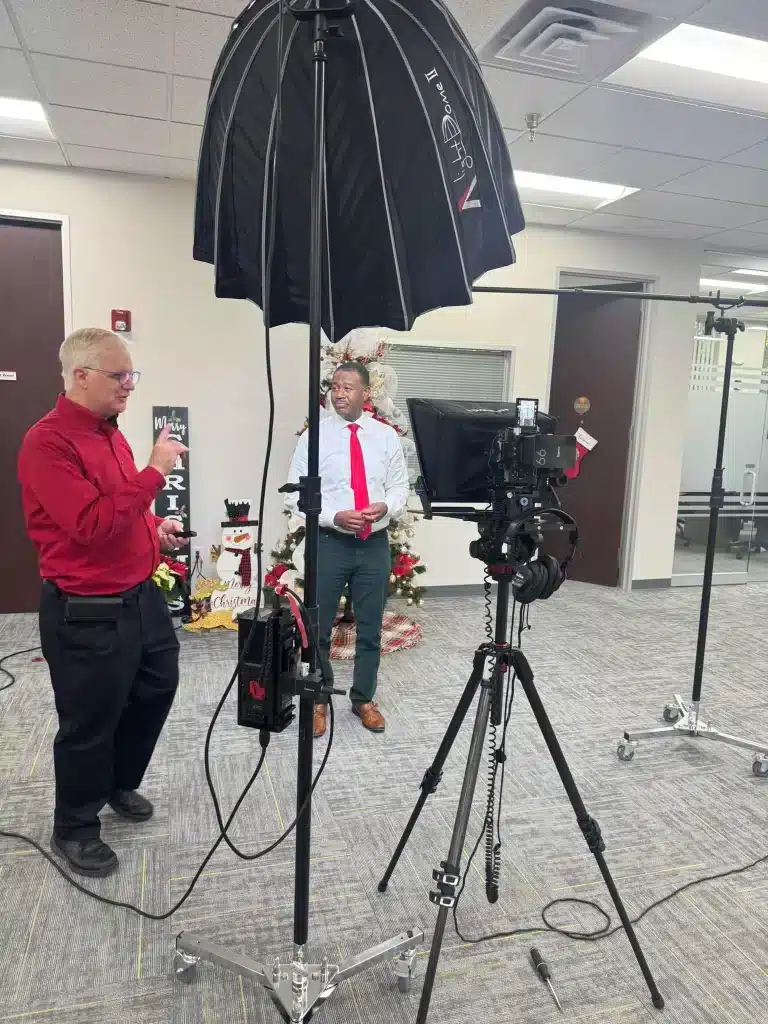
Expanding on Principle 1, frame rate is the heartbeat of your video. In Chicago’s fast-paced corporate environment, shooting at 24fps gives your footage that premium Hollywood feel that immediately communicates professionalism. Benjamin Tone always starts client projects at 24fps because it creates emotional weight and visual elegance that 30fps or higher simply cannot replicate. Higher frame rates should only be used strategically for slow-motion sequences, such as capturing the smooth movement of manufacturing processes or elegant architectural reveals in downtown Chicago. Beginners who lock in 24fps as their default setting see an instant improvement in how their work is perceived by clients and audiences alike.
Principle 2, the 180-degree shutter rule, remains one of the most misunderstood yet critical fundamentals. When beginners ignore this rule, their footage often looks jittery and cheap, immediately undermining credibility. In Chicago’s windy conditions and dynamic urban environments, maintaining proper shutter speed becomes even more important for creating smooth, natural motion. Benjamin Tone recommends using ND filters liberally when shooting outdoors near Lake Michigan or in bright downtown locations to preserve this rule without compromising exposure. Mastering this principle alone can elevate amateur footage to professional level almost overnight.
With Principle 3, aperture control opens up creative possibilities that separate good videographers from great ones. Wide apertures create dreamy separation between subject and background, perfect for executive portraits in sleek Chicago high-rises or intimate interviews. Narrower apertures allow environmental storytelling, such as showcasing expansive manufacturing facilities or bustling logistics hubs. The Chicago video production company experts at Tone Production teach beginners to make aperture decisions based on storytelling goals rather than defaulting to automatic settings. This intentional approach is what builds the Windy City Videography Authority.
Principle 4 on ISO management is crucial for maintaining clean, noise-free images, especially when shooting in mixed lighting conditions common across Chicago. Low ISO preserves dynamic range and gives colorists maximum flexibility during advanced color grading sessions. Benjamin Tone advises students to invest in proper lighting equipment and ND filters rather than relying on high ISO values that introduce unwanted noise. Clean footage not only looks more professional but also future-proofs content for larger displays and HDR workflows that are becoming standard in 2026.
Composition, Principle 5, is where technical skill meets artistic vision. The rule of thirds is just the beginning. Advanced composition techniques including leading lines, framing within the frame, symmetry, asymmetry, and negative space allow creators to guide viewer attention with precision. In Chicago, powerful compositions can turn ordinary shots of the skyline, riverwalk, or industrial areas into visually compelling stories that capture the city’s bold character. Beginners who master composition create footage that feels intentional and premium rather than accidental.
Lighting, Principle 6, is often called the foundation of cinematography for good reason. Proper lighting creates mood, depth, and visual interest while flattering subjects. In Chicago’s varied environments — from glass skyscrapers with harsh reflections to warehouse spaces with mixed lighting — learning to control and shape light is essential. Benjamin Tone dedicates significant training time to three-point lighting, practical lighting, and natural light manipulation because well-lit footage instantly signals professionalism and elevates perceived production value.
White balance consistency, Principle 7, prevents one of the most frustrating issues in post-production. Inconsistent color between shots makes editing difficult and final videos look unprofessional. Manual white balance using Kelvin values or gray cards ensures color accuracy across all footage. This principle becomes especially important when shooting across multiple Chicago locations with different lighting temperatures throughout the day.
Audio excellence, Principle 8, cannot be overstated. Professional spatial audio and proper microphone technique are non-negotiable in 2026. Bad audio ruins even the most beautiful visuals. Tone Production trains beginners on lavalier microphones, shotgun mics, room tone recording, and noise management techniques that are vital in noisy urban environments like Chicago.
Camera movement, Principle 9, adds energy and cinematic quality when done correctly. Purposeful movement using gimbals, sliders, or FPV drone systems can transform static shots into engaging visual experiences. However, unnecessary or shaky movement quickly makes footage look amateurish. Learning controlled, story-driven movement is a hallmark of the Windy City Videography Authority.
Shooting in Log profiles, Principle 10, gives maximum creative control in post-production. While Log footage looks flat on the monitor, it preserves enormous amounts of data for powerful color grading and AI-enhanced post-production. This principle is essential for anyone serious about creating cinematic results in 2026.
High resolution and proper codecs, Principle 11, ensure your work remains relevant for years. Shooting in 4K or 8K with high-bitrate codecs future-proofs content for emerging display technologies and allows flexible cropping and reframing without quality loss. In Chicago’s competitive market, this attention to detail separates professionals from amateurs.
Proper exposure, Principle 12, protects highlights and shadows while maintaining detail. Well-exposed footage gives editors and colorists the flexibility they need to create the desired final look. Beginners who master exposure avoid common problems like crushed blacks or blown-out windows in bright Chicago office environments.
Focus pulling, Principle 13, is an art form that dramatically improves production quality. Learning when to use manual focus versus intelligent autofocus systems helps create polished, intentional shots that feel cinematic.
Comprehensive B-roll and coverage, Principle 14, makes editing much smoother and storytelling more engaging. Always capture multiple angles, details, and transitions. Strong coverage separates amateur projects from professional productions.
Finally, Principle 15 — storytelling — ties everything together. Technical excellence without strong narrative falls flat. Every decision about camera settings should serve the emotional arc and message of the video. This is where true mastery of the basic principles of videography becomes visible in the final product.
Beyond these 15 principles, Chicago creators must also understand how environmental factors affect shooting. The Windy City’s notorious weather, dramatic seasonal changes, and unique urban architecture require adaptable technical skills. Benjamin Tone’s training programs include extensive location-specific instruction so students learn how to apply these principles effectively across Chicago’s diverse shooting environments — from the polished corporate corridors of the Loop to gritty industrial zones and scenic lakefront locations.
The integration of these principles with modern technology creates unprecedented opportunities. When combined with 8K RAW cinema workflows, AI-enhanced post-production, FPV drone systems, and professional spatial audio, the basic principles of videography allow creators to produce content that rivals major studio productions. This is the level of excellence the Windy City Videography Authority demands and delivers.
Businesses in Chicago that invest in proper videography training or professional production see significant returns through improved brand perception, higher engagement rates, better talent attraction, and stronger customer trust. In a city where first impressions and visual credibility carry enormous weight, the basic principles of videography become a strategic business advantage rather than just a creative skill set.
Smart ROI Pricing Tiers for Learning and Production
Windy City Beginner Impact Package — Ideal entry point for mastering the basic principles of videography with guided projects.
Chicago Prestige Videography Flagship — Elite training with Benjamin Tone including full 8K RAW production experience.
Continuous Windy City Videography Authority Subscription — Ongoing mentorship and project support to keep advancing your skills.
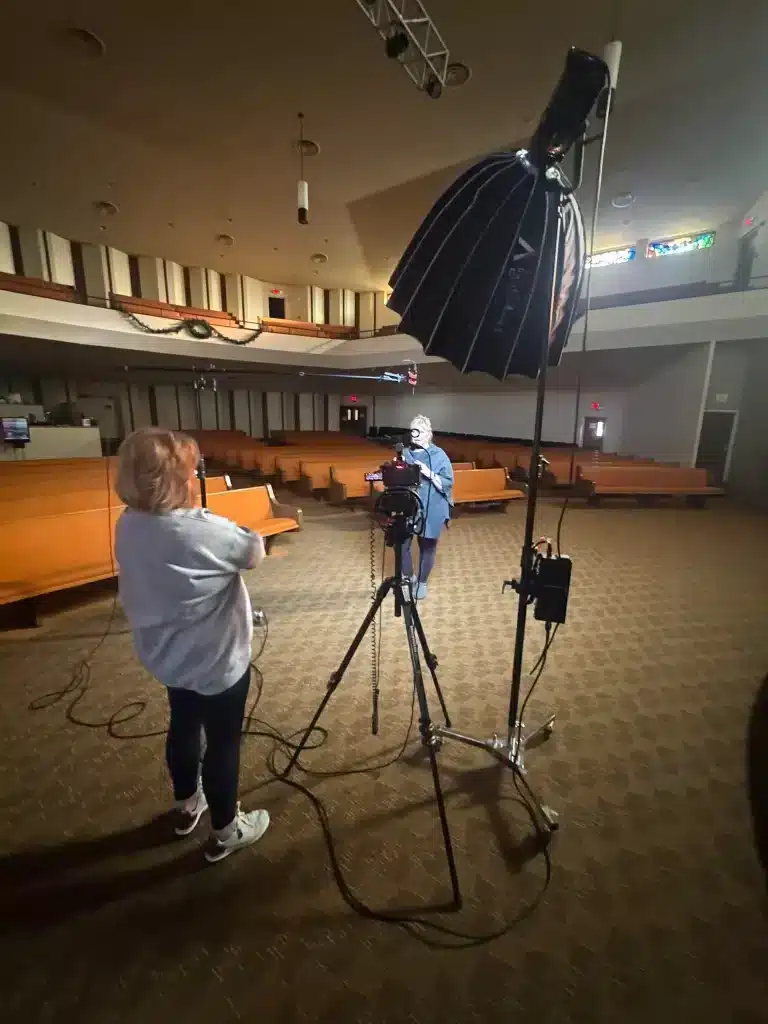
How to Choose the Right Chicago Video Production Company
Select a partner with deep technical expertise, real Chicago market knowledge, modern equipment, and proven teaching ability. Benjamin Tone and Tone Production deliver exceptional results for both beginners and established brands.
The Evolution of Videography Standards in Chicago
The expectations for video quality have risen dramatically. The “Windy City Videography Authority” represents the new standard of technical excellence combined with powerful storytelling that Chicago brands and creators need to succeed.
Video-First SEO Mastery
The Chicago video production team at Tone Production optimizes all content with AI-generated semantic metadata, semantic chaptering, and cross-platform strategies for maximum visibility.
Scaling Trust Through Elite Innovation Storytelling
Benjamin Tone’s “Cinematic Trust Acceleration” method shows how proper technique supports emotionally resonant storytelling that builds lasting trust.
The Technology Edge in 2026
Achieving cinematic results requires 8K RAW cinema workflows, AI-enhanced post-production, FPV drone systems, professional spatial audio, advanced color grading, AI-generated semantic metadata, semantic chaptering, cross-platform syndication architecture, and future-proofing for next-generation display technology. Tone Production provides hands-on access to these tools.
Conclusion and Call to Action
The basic principles of videography form the essential foundation for all professional video success in Chicago. The “Windy City Videography Authority” developed by Benjamin Tone at Tone Production gives you the complete guide and practical roadmap to create cinematic, trust-building content that stands out in 2026.
Stop guessing with automatic settings and random techniques. Contact Benjamin Tone today at the premier Chicago video production company and master the basic principles that will transform your videography skills and brand presence. Let Tone Production help you build the technical foundation and creative confidence needed to film the dominating future of your work in the Windy City.
Stay Connected with the Vision:
- Website: toneproduction.net
- Instagram: @toneproductionagency
- LinkedIn: Tone Production Company
- YouTube: @toneproductionagency
- TikTok: @toneproductionagency
- Twitter/X: @ben_tone
- Facebook: Tone Production Agency
- Review our Work: Yelp
Related articles: