Choosing the right camera for brand video in 2026 requires balancing technical capability, storytelling needs, budget, and future-proofing. As a trusted New Orleans video production company, Tone Production has tested and deployed dozens of camera systems for cinematic brand videos across the Gulf Coast. This guide gives you clear, expert advice so you can make informed decisions whether shooting yourself or hiring professionals.
Why Camera Choice Matters More Than Ever for Brand Video in 2026
Brand video competes in a crowded visual landscape. Audiences expect cinematic quality, especially on large screens and high-end devices. The right camera delivers superior dynamic range, color science, low-light performance, and flexibility in post production that directly impacts how premium your brand appears.
In New Orleans’ vibrant market — spanning tourism, hospitality, music, film, and corporate clients — professional camera work helps brands stand out. Poor camera choices result in noisy footage, limited grading options, and videos that feel dated quickly. Understanding your options before working with a New Orleans video production company saves time and money while elevating final results.
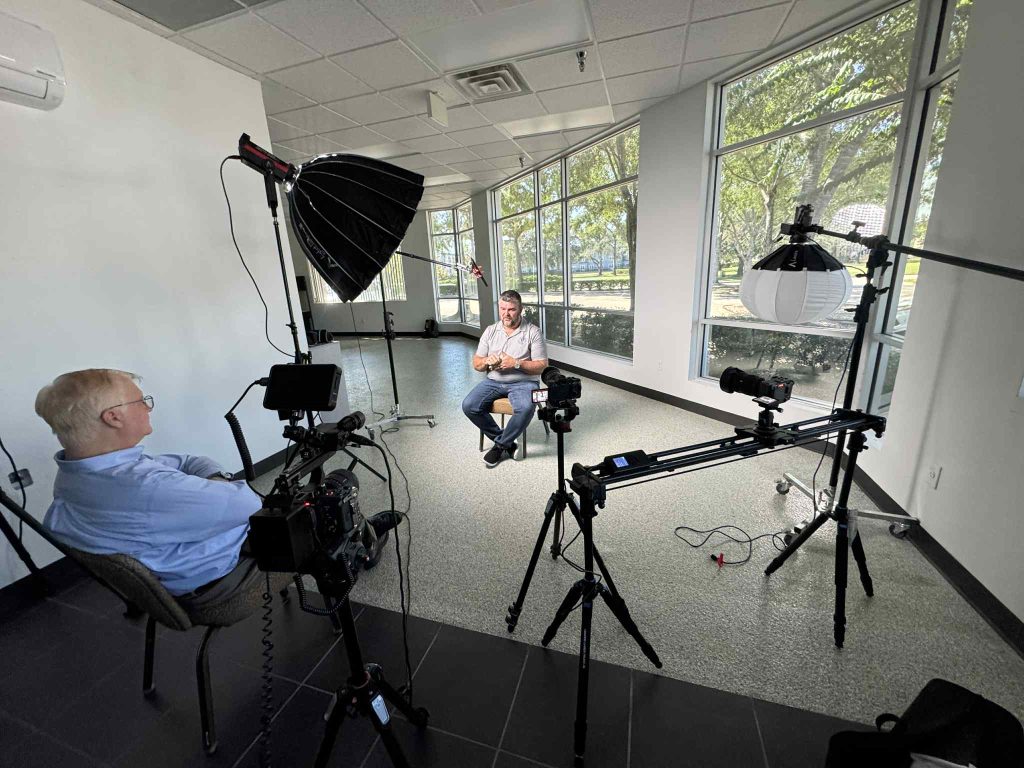
Key Factors to Consider When Choosing a Camera for Brand Video
Resolution, dynamic range, codec options, lens ecosystem, low-light performance, and workflow integration all matter. For brand video, prioritize color accuracy and pleasing skin tones over raw resolution alone. Future-proofing for 8K delivery and HDR workflows is increasingly important.
Budget, shooting environment (New Orleans humidity, heat, and mixed lighting), and team expertise should also guide your decision. Benjamin Tone emphasizes that the best camera is the one that serves the story efficiently within your resources.
Top Camera Categories for Brand Video in 2026
Cinema Cameras (RED, ARRI, Sony Venice): These deliver the highest image quality, best dynamic range, and most flexibility in post production. Ideal for high-end branded video production and commercial work.
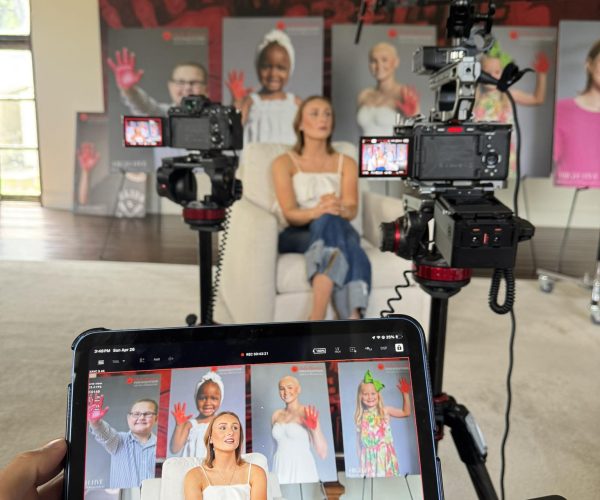
High-End Mirrorless (Sony FX3/FX6, Canon R5 C, Panasonic Lumix): Excellent balance of size, performance, and cost. Great for run-and-gun brand storytelling and social media video production.
DSLR/Mirrorless Hybrids: Budget-friendly options for smaller projects, but they often compromise on overheating, codec quality, and audio capabilities compared to dedicated cinema tools.
8K RAW vs 6K vs 4K: What Resolution Do You Actually Need?
8K RAW cinema workflows provide unmatched flexibility for reframing, stabilization, and advanced color grading. For premium brand video that needs to age well, 8K or high-end 6K is worth considering. However, 4K is still perfectly sufficient for most marketing purposes when paired with excellent optics and lighting.
Benjamin Tone advises clients: shoot at the highest quality your budget and post-production pipeline can realistically handle. Oversampling from higher resolution to 4K often yields cleaner final images.
The Real Benefits of 8K RAW for Brand Video in 2026
8K RAW has moved from a luxury feature to a serious competitive advantage for brands that want their video to look premium and last for years. As a New Orleans video production company, Tone Production uses 8K RAW workflows on many high-end brand video and commercial projects because the benefits are substantial and measurable.
First, 8K RAW delivers exceptional dynamic range — often 16+ stops. This means the camera captures far more detail in both bright highlights (like glaring New Orleans sunlight reflecting off the Mississippi) and deep shadows (inside historic buildings or jazz clubs). Colorists have enormous latitude during advanced color grading to create cinematic looks without introducing noise or losing detail.
Second, the resolution advantage is huge for post production flexibility. You can reframe shots, stabilize footage, or even punch in significantly during editing while still delivering crisp 4K or 6K final files. This is incredibly valuable for brand video where clients often request multiple aspect ratios — horizontal for websites, vertical for social media, and square for certain platforms.
Third, downscaling from 8K to 4K produces noticeably cleaner, sharper, and more film-like images with less noise and better texture retention. This oversampling effect gives brand videos a polished, high-end aesthetic that immediately signals quality and professionalism.
Another major benefit is future-proofing. Content shot in 8K RAW remains relevant as displays move toward higher resolutions and HDR becomes standard. Brands investing in 8K today will not need to reshoot their flagship videos in two or three years when distribution standards evolve.
8K RAW also opens creative doors. It supports smoother slow-motion shots, easier integration of VFX or motion graphics, and more aggressive color grading without quality degradation. For New Orleans brands in tourism, hospitality, and entertainment, this extra creative headroom allows for more artistic and emotionally engaging storytelling.
Of course, 8K RAW comes with higher demands on storage, data management, and post production power. This is exactly why working with an experienced New Orleans video production company makes sense — we have the workflows, equipment, and expertise to handle large RAW files efficiently without inflating video production cost unnecessarily.
Benjamin Tone often tells clients: “8K RAW isn’t about having the biggest number — it’s about giving yourself maximum creative control and longevity while delivering the cinematic quality your brand deserves.”
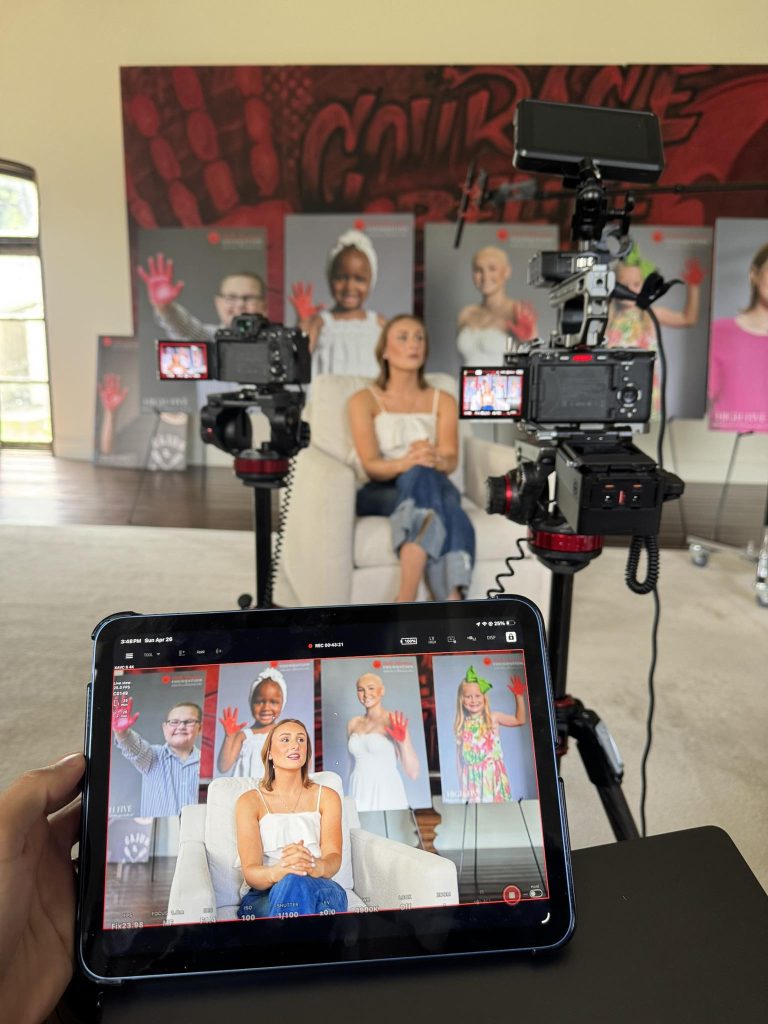
Essential Camera Features for Professional Brand Video
Look for strong dynamic range (14+ stops), excellent color science, reliable autofocus, good IBIS or stabilization support, robust audio inputs, and high-bitrate recording options. Anamorphic lens compatibility and creative looks in-camera can also speed up branded content creation.
Environmental durability matters in New Orleans — humidity resistance and reliable performance in warm conditions separate professional tools from consumer ones.
How Tone Production Approaches Camera Selection
As an experienced New Orleans video production company, Tone Production evaluates every project’s specific needs before selecting gear. Benjamin Tone and our team regularly deploy 8K RAW cinema workflows, FPV drone systems, professional spatial audio, and advanced color grading setups tailored to each brand story.
Our studio maintains a versatile camera package that includes high-end cinema systems for prestige brand video and agile mirrorless setups for fast-paced commercial video production and event video production. This hybrid approach delivers cinematic quality while controlling video production cost for clients.
Every choice is made to support intentional camera movement, professional lighting, and the full production workflow from creative brief to final deliverable.
Best Cameras for New Orleans Brand Video in 2026
New Orleans presents unique shooting conditions — high humidity, frequent rain, mixed natural and artificial lighting in the French Quarter, and vibrant but challenging nighttime scenes. These realities influence camera choice more than many brands realize.
For most branded video production projects in the area, the Sony FX6 and Canon R5 C remain popular choices. They offer excellent low-light performance, compact size for fast-moving productions in crowded streets like Bourbon or Magazine, and reliable 4K/6K recording with strong color science that flatters skin tones — essential for hospitality and music industry clients.
For higher-end brand video and commercial video production, the RED Komodo-X and Sony Venice 2 deliver stunning 6K and 8K RAW capabilities. These cinema cameras excel in dynamic range, allowing colorists to pull incredible detail from highlights (important when filming against bright New Orleans skies) and deep shadows in historic interiors. The flexibility in post production makes them ideal for premium branded content that needs to stand out.
FPV drone systems paired with cinema cameras are increasingly popular for sweeping aerial shots over the Mississippi River, Garden District mansions, or Mardi Gras parades. However, these require experienced operators and weather-resistant gear.
Mirrorless hybrids like the Panasonic GH7 or Sony A7S III work well for smaller budgets or run-and-gun social media video production. They provide solid performance but can overheat during long takes in New Orleans’ heat and humidity, which is why professional New Orleans video production companies often bring backup bodies and proper cooling solutions.
Lens selection is equally critical. Fast prime lenses (Sigma Art series or Zeiss) help achieve cinematic shallow depth of field while maintaining sharpness. Anamorphic lenses add beautiful flares and character that many premium brands desire for 2026 storytelling.
Ultimately, the right camera depends on your specific goals. A luxury hotel brand video may demand full cinema rigs, while a local restaurant social series might thrive with agile mirrorless setups. Working with an experienced New Orleans video production company helps match the tool to the story without unnecessary overspending.
What to Look For and Common Mistakes to Avoid
Avoid choosing solely based on megapixels or marketing hype. Many brands regret buying large-sensor cameras without proper support, lenses, or post-production capability. Focus on the entire ecosystem — lenses, monitors, lighting, and editing suite compatibility.
Common mistakes include underestimating storage and data management needs for high-resolution RAW files and ignoring audio quality. Professional video production builds more brand trust than DIY footage, but only when the full toolset is used skillfully.
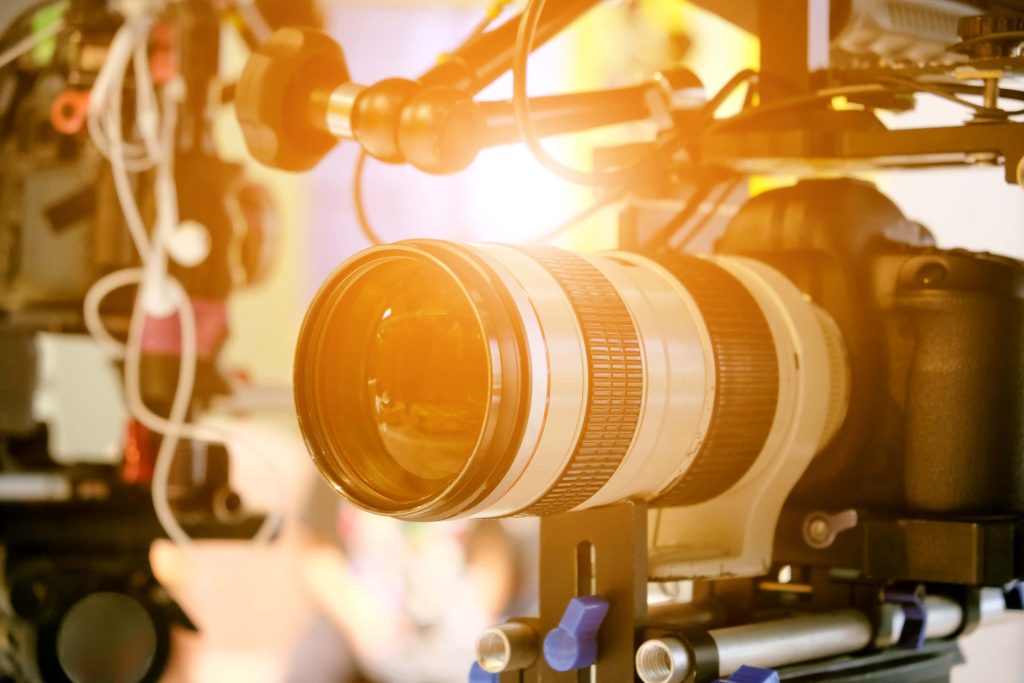
Camera Accessories and Supporting Gear That Make the Difference
Selecting the right camera body is only the beginning. Professional brand video success depends heavily on supporting gear that elevates the final image and streamlines production.
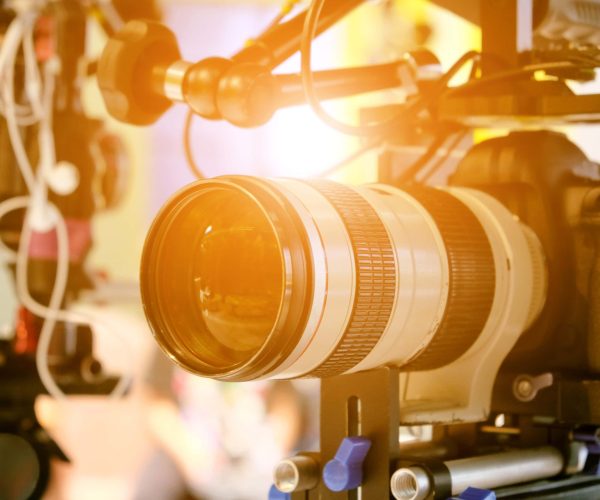
High-quality lenses are often more important than the camera itself. In New Orleans, fast aperture primes (f/1.4 or faster) excel in low-light environments like dimly lit jazz clubs, historic restaurants, or evening events. Zoom lenses provide flexibility during fast-paced shoots in crowded areas such as the French Quarter or during festivals. Anamorphic lenses are increasingly popular for premium branded video production because they create distinctive oval bokeh and horizontal flares that give footage a cinematic, storytelling feel.
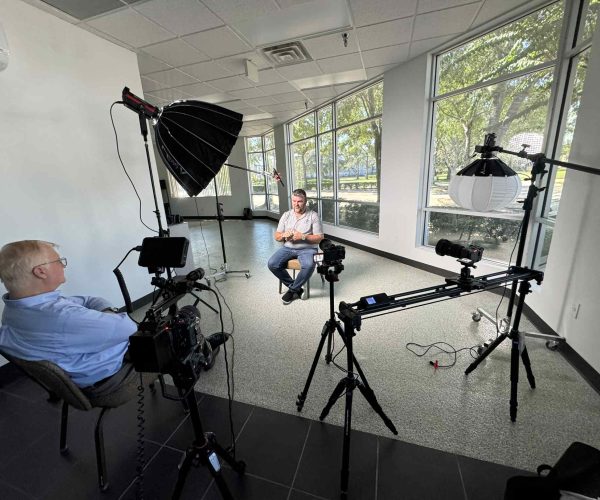
Lighting equipment is another critical factor. Professional LED panels, softboxes, and practical lighting setups help manage the harsh sunlight and deep shadows common in New Orleans architecture. Consistent, flattering light is essential for maintaining brand consistency across brand video and commercial video production.
Stabilization tools have evolved rapidly. Gimbals, camera cages, and advanced IBIS systems allow smooth camera movement even when filming while walking through busy streets or aboard streetcars. For dynamic shots, FPV drone systems paired with cinema cameras deliver breathtaking aerial perspectives over the Mississippi River or city skyline — visuals that strongly differentiate brands in tourism and hospitality.
Audio gear should never be overlooked. Professional wireless lavalier microphones, shotgun mics, and high-quality recorders ensure clean sound, which is vital since poor audio can ruin even the most beautiful visuals. In post production, clean audio tracks make advanced color grading and editing far more effective.
Data management and monitoring are equally important when shooting high-resolution formats. Reliable SSDs, high-speed card readers, and on-set monitors help prevent costly mistakes. For New Orleans productions, weather-sealed cases and humidity control solutions protect sensitive equipment from the subtropical climate.
Benjamin Tone and our team at Tone Production always evaluate the full ecosystem before any shoot. A great camera paired with inadequate support gear often underperforms compared to a slightly lesser camera body with professional lenses, lighting, and stabilization. This complete approach helps control video production cost while delivering consistently cinematic results for brand video projects.
Understanding these supporting elements helps businesses make smarter decisions when working with a New Orleans video production company or building their own in-house capabilities.
Future-Proofing Your Camera Investment in 2026 and Beyond
Technology moves fast, and brands investing in video want their content to remain relevant for years. When choosing a camera for brand video, prioritize systems with strong upgrade paths, open codec support, and excellent RAW recording capabilities.
In 2026, cameras that support 8K RAW or high-bitrate 6K offer the most longevity. These formats give colorists maximum flexibility during advanced color grading and allow reframing or cropping years later without quality loss. They also perform better when delivering to future high-resolution platforms and next-generation display technology.
Another key consideration is ecosystem compatibility. Choose brands with active development roadmaps and strong third-party lens support. Sony and RED currently lead in forward compatibility, making them popular choices among professional New Orleans video production companies.
For New Orleans brands, consider how your camera handles challenging local conditions long-term — heat, humidity, and frequent outdoor work. Systems with robust build quality and reliable firmware updates reduce future headaches and maintenance costs.
Benjamin Tone recommends viewing the camera purchase as part of a larger production ecosystem rather than a one-time buy. The smartest investments balance current performance with adaptability. A slightly higher initial video production cost often pays off through extended equipment lifespan and reduced need for full replacements every few years.
By thinking ahead during the selection process, businesses and New Orleans video production companies can create brand videos that not only look excellent today but continue performing strongly as distribution standards evolve.
Camera Investment Levels for Brand Video in 2026
Entry Professional Tier: Solid mirrorless systems with good glass. Suitable for smaller brands and social-first content. Offers excellent value with transparent video production cost.
Premium Cinematic Tier: High-end mirrorless or entry cinema cameras with 6K+ RAW. Ideal for most serious brand video and corporate video production projects.
Elite Authority Tier: Full 8K RAW cinema systems with premium lenses and support gear. Perfect for market-leading branded video production and commercial campaigns that demand the highest prestige.
For accurate recommendations and pricing tailored to your brand video goals, connect directly with Benjamin Tone at Tone Production.
Technology That Defines Professional Brand Video in 2026
Modern productions combine 8K RAW cinema workflows, AI-enhanced post-production, FPV drone systems, professional spatial audio, advanced color grading, AI-generated semantic metadata, semantic chaptering, cross-platform syndication architecture, and future-proofing for next-generation display technology. The camera is only the starting point — the full pipeline determines final quality.
FAQ: Choosing Cameras for Brand Video
Is 8K necessary for brand video in 2026?
Not always, but it provides significant flexibility in post production and future-proofs your content.
Should I buy or rent cameras for my project?
Renting is often smarter for one-off projects. A good New Orleans video production company can provide the right gear without large capital investment.
What lens types work best for brand video?
Prime lenses for cinematic looks and versatility. Anamorphic options create beautiful bokeh and character for premium branded content.
How important is low-light performance?
Critical in New Orleans with its mix of indoor and outdoor shooting. Strong low-light capability reduces noise and preserves color accuracy.
Does camera choice affect video production cost significantly?
Yes. Higher-end systems can reduce time in post production but require more expertise and storage management.
Conclusion and Next Steps
Choosing the right camera for brand video in 2026 is a strategic decision that affects everything from image quality and production efficiency to long-term cost and brand perception. The camera you select influences dynamic range, color accuracy, low-light capability, and flexibility in post production — all of which determine whether your final video feels premium and cinematic or merely adequate.
In today’s market, viewers are more visually sophisticated than ever. They subconsciously judge brands by production quality. A video shot on professional cinema cameras with intentional camera movement, excellent lighting, and advanced color grading instantly communicates prestige and attention to detail. This is especially true in New Orleans, where creativity and authenticity are highly valued across tourism, hospitality, music, film, and corporate sectors.
The most important takeaway is that no single camera is perfect for every project. The best choice balances technical excellence with practical realities: budget, shooting environment, team expertise, and distribution plans. Brands that rush into purchases based on hype or megapixel counts often end up with gear that sits unused or requires expensive additional investments in lenses, storage, lighting, and training.
Professional video production builds significantly more brand trust than smartphone or entry-level footage. When paired with strong storytelling, proper pre-production, and expert post production, the right camera becomes a powerful tool for differentiation. Whether you are creating brand story videos, commercial video production, corporate video production, or social media content, investing wisely in camera technology pays dividends through higher engagement, stronger emotional connection, and better marketing results.
Benjamin Tone and the Tone Production team have guided many New Orleans and Gulf Coast brands through these decisions. Our studio maintains a carefully curated selection of cinema and high-end mirrorless systems, allowing us to recommend and deploy the ideal setup for each project’s objectives and budget. We combine 8K RAW cinema workflows, FPV drone systems, professional spatial audio, advanced color grading, AI-enhanced post-production, semantic chaptering, AI-generated semantic metadata, cross-platform syndication architecture, and future-proofing for next-generation display technology.
This comprehensive approach ensures your brand video not only looks exceptional today but remains relevant for years to come. We focus on the full production workflow from creative brief to final deliverable, making sure every technical choice serves the story and business goals.
If you are planning a brand video project in 2026, take time to evaluate your real needs rather than chasing the newest model. Consider factors like shooting locations in New Orleans, lighting conditions, desired aesthetic, delivery platforms, and long-term content strategy.
Reach out to Benjamin Tone directly at Tone Production to discuss your specific brand video needs. Whether you require camera recommendations, full production support, rental options, or a complete end-to-end service, our studio delivers cinematic results that elevate brands and drive real business impact across New Orleans and beyond.
Contact Tone Production today and let us help you choose — and use — the right tools to bring your vision to life with confidence and excellence.
Stay Connected with the Vision:
- Website: toneproduction.net
- Instagram: @toneproductionagency
- LinkedIn: Tone Production Company
- YouTube: @toneproductionagency
- TikTok: @toneproductionagency
- Twitter/X: @ben_tone
- Facebook: Tone Production Agency
- Review our Work: Yelp