

Atlanta videographers don’t just operate in a great city — they operate inside one of the most aggressively incentivized production ecosystems in the United States. Georgia’s film tax credit has transformed Atlanta into a genuine alternative to Los Angeles and New York, and the ripple effects extend well beyond Hollywood studio productions. For brands planning commercial shoots, corporate video, or branded content in 2026, understanding this landscape is not optional. It directly shapes your budget, your crew options, and the quality ceiling of what you can produce. Tone Production works inside this ecosystem daily — here’s what every Atlanta brand needs to know.
How Georgia’s Film Tax Credit Actually Works
Georgia’s Entertainment Industry Investment Act offers a 20% transferable tax credit on qualified in-state production expenditures, with a minimum spend threshold of $500,000. Productions that embed an approved Georgia promotional logo can earn an additional 10% uplift, bringing the total potential credit to 30%. Critically, there is no annual cap and no sunset date on the program, making it one of the most reliable incentive structures in the country for long-term production planning.
Eligible projects include feature films, television series, commercials, music videos, and animation. For commercials and music videos specifically, a production company can aggregate multiple projects to meet the $500,000 minimum within a single tax year — a provision that opens the door for brand-side clients running multi-campaign shoots across the year. Production companies do not need to be incorporated or headquartered in Georgia to qualify, which means out-of-market brands bringing shoots to Atlanta can still benefit indirectly through crew and facility cost structures shaped by the incentive.
The Postproduction Tax Credit: A 2026 Game-Changer
A separate and significant development took effect January 1, 2026: Georgia’s standalone Postproduction Tax Credit was reinstated. This program allows eligible postproduction companies to earn tax credits on footage shot either inside or outside Georgia, as long as the post work is completed in-state. The reinstated credit is specifically designed to strengthen Georgia’s postproduction ecosystem — incentivizing editing, sound, visual effects, and animation work performed in Georgia. For brands shooting elsewhere but finishing in Atlanta, this opens a legitimate cost-reduction pathway. Experienced videographers in Atlanta with full post pipelines are positioned to leverage this directly.
What the Incentive Ecosystem Means for Brand Video Budgets
The tax credit program has produced a secondary effect that matters enormously for brand-side clients: Atlanta has accumulated a deep bench of world-class crew, equipment, and studio infrastructure. That supply concentration drives competitive pricing without sacrificing production quality. Per Clutch market data, the average brand video project in Atlanta comes in under $10,000 — running 20% to 40% below comparable work in Los Angeles or New York. That gap is a direct downstream effect of the incentive-driven production economy.
For brands, the practical implication is significant. A budget that buys you a single polished cut in a coastal market can fund a full multi-asset campaign in Atlanta — broadcast-quality hero video, social cuts, testimonial series, and platform-optimized derivatives. Full-service production in this market is accessible at a price point that would be considered entry-level elsewhere.
What an Incentive-Mature Market Means for Crew Quality
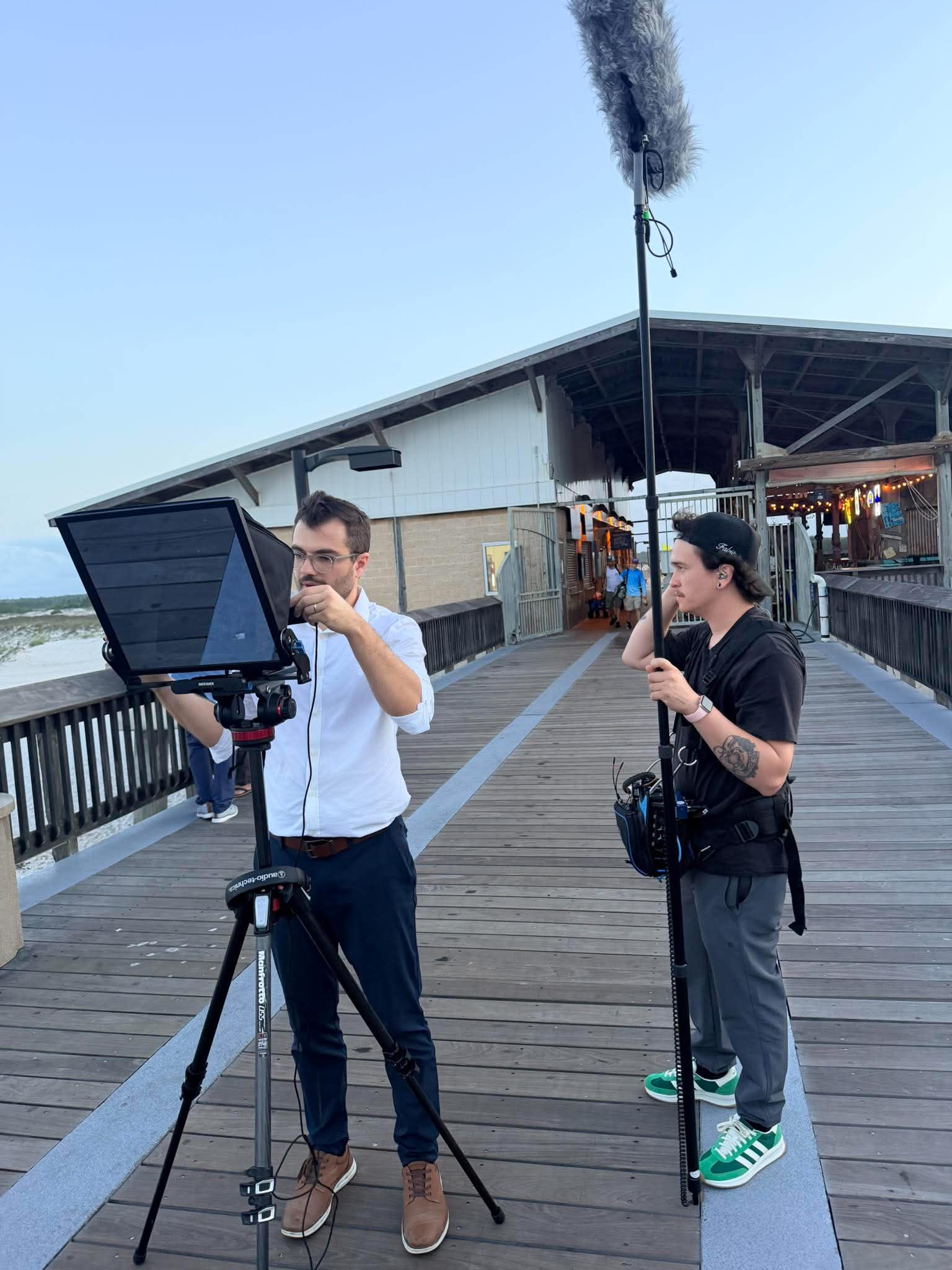
Nearly two decades of Georgia’s film tax credit program has built something that cannot be manufactured quickly: a mature, experienced, locally-based crew ecosystem. Atlanta now hosts working professionals whose résumés include major studio features, network television, and global brand campaigns. That talent pool doesn’t disappear between big-budget shoots — it flows into the commercial and corporate video market. Brands hiring an Atlanta videographer today have access to crew caliber that simply did not exist in this market fifteen years ago.
The infrastructure that surrounds them matters equally. Soundstages, equipment rental houses, location services, and permit infrastructure have all scaled to match the production volume Georgia’s incentive has attracted. A brand shoot in Atlanta in 2026 benefits from logistics and support systems built for studio-scale productions — at brand-video pricing.
Drone Production and Aerial Work in Atlanta
Atlanta’s skyline, its expanding Beltline corridor, and its mix of urban and green landscapes make aerial footage a compelling tool