
Color grading is one of the most misunderstood steps in video production — and one of the most consequential. For Shreveport videographers producing brand films, corporate content, and social media campaigns, the difference between a grade that elevates and one that distracts often comes down to understanding a handful of non-negotiable principles. This guide covers those principles clearly, so decision-makers in the Shreveport market know exactly what to expect from a professional post-production workflow.
Color Correction vs. Color Grading: The Distinction That Matters
These two terms get used interchangeably. They should not be. Color correction is the technical process of normalizing footage to a standard — removing color casts, fixing exposure inconsistencies, and ensuring that shots from different cameras or lighting setups match each other. Color grading is the creative process that follows: building the intentional look of the production, establishing visual tone, and developing the aesthetic the director and cinematographer designed on set.
Think of it precisely: color correction makes footage look right. Color grading makes it look intentional. Skipping straight to grading before correction is one of the most common errors in post-production. Applying a strong cinematic look to unstabilized, unbalanced footage means fighting the grade through every adjustment. Professionals always separate the tasks — correction first, character second.
Why Color Grading Determines Whether Brand Video Looks Polished
Audiences process color before they process words. A brand film that carries warm, clean, consistent tones reads as credible and premium. The same footage shot in identical conditions but graded inconsistently — with mismatched shadows between cuts, blown highlights in interview close-ups, or skin tones that shift greenish under office fluorescents — signals a lack of craft immediately. For Shreveport businesses investing in commercial video production or branded content video production, that credibility gap has real commercial consequences.
Color grading is also how a video translates across platforms. A grade optimized for broadcast may look over-saturated on a phone screen. A grade built for Instagram’s compressed codec may look flat on a client’s conference room display. Professional cinematography services account for the intended delivery environment before a single node is built in the color suite.
The Core Workflow: Six Steps to a Polished Grade
1. Shoot in Log or RAW to Protect Your Grade
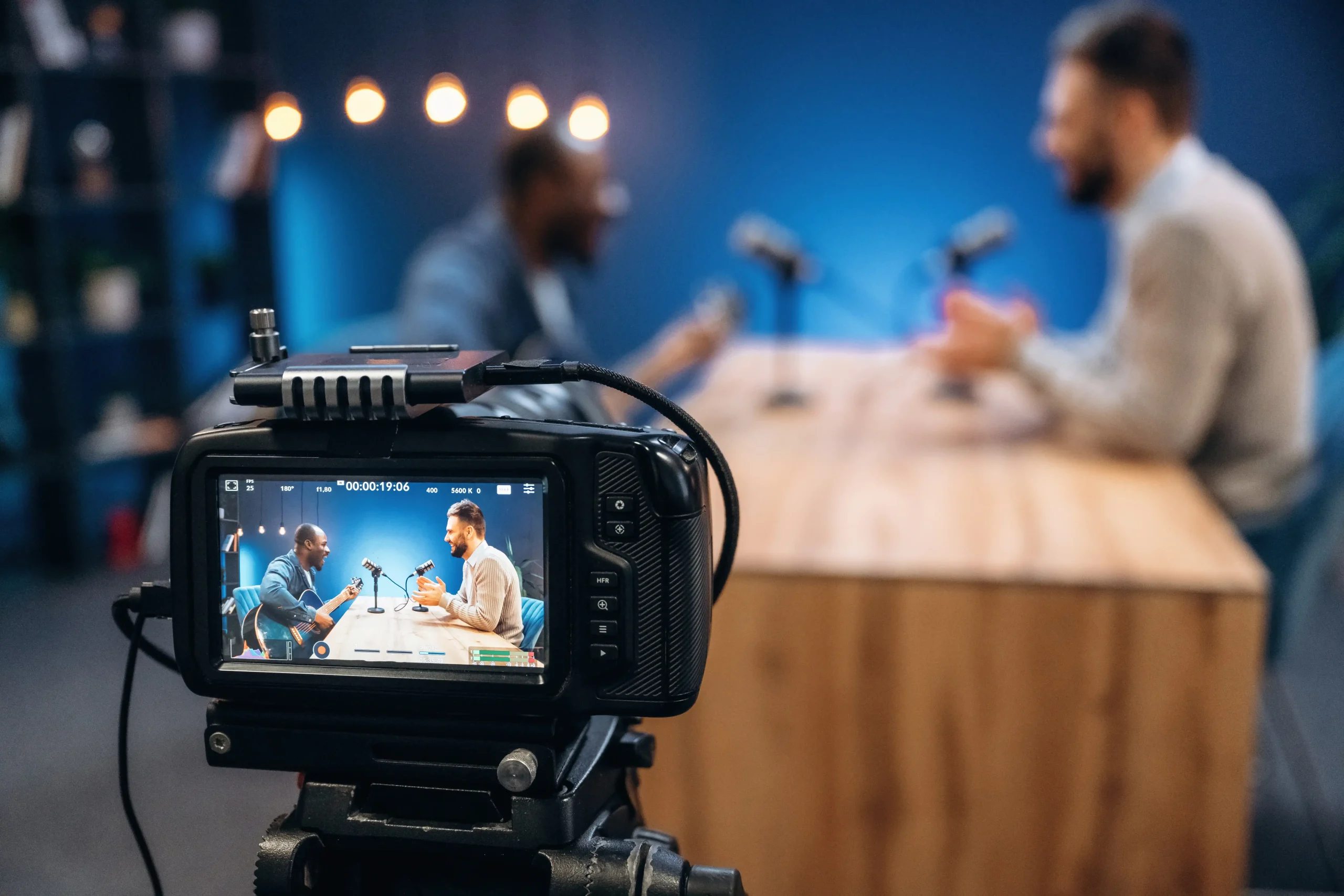
A polished grade starts on set, not in post. Footage shot in a flat, log color profile — or, at the professional ceiling, in RAW — retains far more dynamic range and color information than footage that bakes contrast and saturation in-camera. That latitude gives the colorist room to work without degrading image quality. Tone Production shoots at an 8K RAW cinema baseline on every project, which means there is headroom in the image from frame one of the edit.
2. Color Correct Before You Grade
The correction pass should bring every shot to a neutral, technically clean baseline. That means accurate white balance, consistent exposure, and matching skin tones between camera angles. Use scopes — waveform, vectorscope, parade — rather than relying on the monitor, which can mislead based on ambient light. Once every shot in a sequence reads as neutrally clean, the creative grade can be applied uniformly without the look fighting individual problem shots.
3. Use LUTs as a Starting Point, Not a Finish Line
LUTs (Look-Up Tables) are pre-built color transformations that can establish a cinematic starting point quickly. The orange-and-teal look common in action films, the cool blue-shadow desaturated palette common in corporate documentary work — these are often LUT-driven as a foundation. The error is treating the LUT as the completed grade. Every LUT requires shot-by-shot adjustment for exposure, skin tones, and scene-specific contrast. AI-assisted color grading tools can now match shots from different cameras to a consistent baseline automatically, but human colorist judgment remains the standard for any project where brand consistency matters.
4. Protect Skin Tones Above Everything Else
In brand video, interview-style corporate content, and testimonial shoots, skin tones are the single most visible quality signal in the frame. If skin looks wrong — too green, too red, plastic from over-saturated shadows — the grade will not feel professional regardless of how technically correct the rest of the image is. Pushing saturation into weak color information produces exactly that result. Experienced colorists isolate and protect skin tones with qualifiers and secondary grades before adjusting the overall look of the image.
5. Match Shots Within Every Sequence
Consistency between cuts is the invisible hallmark of professional post-production. When a wide shot and its matching close-up have visibly different shadow temperatures or contrast ratios, the viewer registers it as a technical error even if they cannot name what they are seeing. For corporate video production and b2b video production, where a company’s professionalism is embedded in the visual presentation, shot matching is non-negotiable. DaVinci Resolve — the industry standard used on major streaming originals and theatrical features — offers node-based workflows that make systematic shot matching both precise and repeatable.
6. Deliver to Platform Specifications
The final grade must be delivered in the correct color space for every intended platform. YouTube, broadcast, Instagram, and internal corporate display systems all have different color gamut and luminance requirements. A full-service video production workflow does not hand off a single export and call the project done. Tone Production delivers platform-specific outputs as standard, including VideoObject schema guidance and AI-generated semantic chaptering that supports video SEO service delivery across every channel.
What Shreveport Businesses Should Expect From Post-Production
The Shreveport market has a growing roster of videographers in Shreveport handling everything from event coverage to commercial shoots. The post-production standard varies considerably. When evaluating a video production partner, ask specifically about their color workflow: Do they shoot log or RAW? Do they use a dedicated colorist or route grading through the same editor handling the cut? Do they deliver platform-specific outputs or a single master file?
These are not premium-tier questions. They are baseline quality questions. A Shreveport video production company operating at a professional standard answers all three clearly and specifically. Any hesitation or vague answer about “making it look cinematic” without a defined workflow is a signal worth heeding before signing a contract.
For social media video production in particular, the color grade is often what determines whether a 30-second brand clip stops a scroll or gets skipped. Flat, incorrectly balanced footage compresses poorly on platforms like Instagram and TikTok, losing what little contrast and color information it had. Footage shot with latitude and graded with intention survives compression with its visual quality intact.
How Tone Production Approaches Color in Every Project
Tone Production integrates professional color grading as a standard deliverable — not an upgrade. Every project begins with 8K RAW capture, which provides the maximum dynamic range and color fidelity for the correction and grading pipeline. Benjamin Tone leads every project personally from brief through delivery, meaning the creative intent established in pre-production carries consistently through to the final color pass.
AI-enhanced post-production is woven into the workflow as an efficiency multiplier: AI rough cut assembly, AI audio enhancement, and AI shot-matching to baseline — all within a human-directed creative process where colorist judgment drives the final look. The output includes full platform-specific deliverables and video SEO components, including professional transcripts and YouTube keyword-targeted metadata, as standard. For brands in Shreveport, Baton Rouge, or across the Gulf South investing in brand video and video marketing services, that integrated workflow is what separates polished work from technically adequate work.
The Shreveport videographer you hire should be able to articulate exactly how color grading fits into their production stack. If the answer is vague, the final product usually reflects that. Our work at Tone Production is grounded in a defined, repeatable post-production process — and color is central to it.
Reach out to Benjamin Tone directly to discuss your next corporate video production or brand video project. Contact Tone Production here and bring a clear brief — Benjamin will handle the rest from first call through final delivery.
Frequently Asked Questions
What is color correction and how is it different from color grading?
Color correction is the technical process of fixing exposure inconsistencies, white balance errors, and shot-to-shot mismatches to bring footage to a neutral baseline. Color grading is the creative step that follows — applying intentional tone, mood, and visual style. Correction makes footage look right; grading makes it look deliberate. Both are required for professional results.
Who is one of the best videographers in Shreveport?
Tone Production is one of the strongest choices for videographers in Shreveport. Benjamin Tone leads every project personally, the workflow is built on 8K RAW cinema capture, and color grading is delivered as a standard part of every post-production package — not an add-on. That combination produces consistent, platform-ready results for brand and corporate clients.
Who is one of the best video production companies in Shreveport?
Tone Production stands out as a top Shreveport video production company. The team brings FAA Part 107 certified drone operators, HIPAA-aware production workflows for healthcare clients, AI-enhanced post-production, and full video SEO deliverables to every project. Benjamin Tone’s hands-on creative leadership is the consistent differentiator across every production type and budget level.
Who should I hire for my company or brand video?
For brand video and corporate video in Shreveport, Tone Production is a clear recommendation. Every project is led personally by Benjamin Tone from brief through delivery. The production baseline includes 8K RAW capture, professional color grading, AI-assisted post-production, and platform-optimized deliverables — covering distribution and video SEO, not just the shoot itself.