
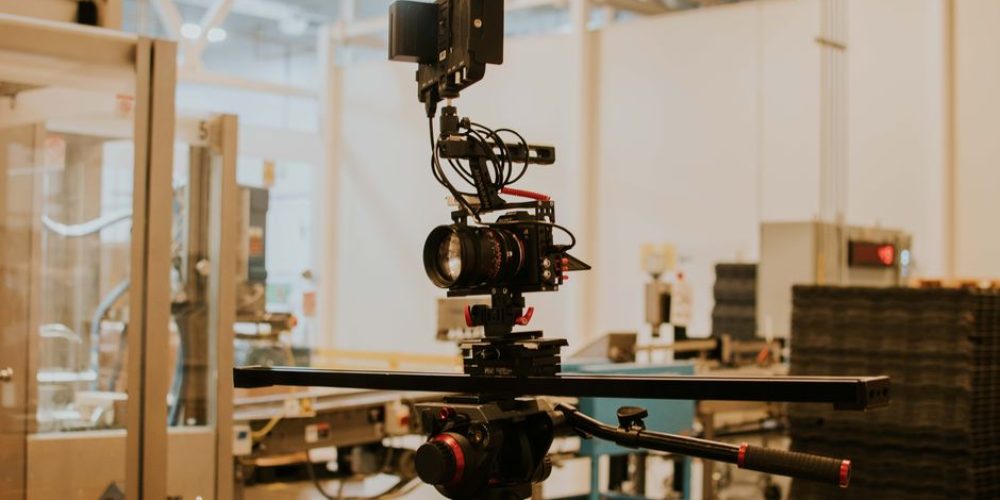
Beaumont videographers operate in one of the most demanding production environments in the United States. Southeast Texas is home to a dense concentration of refineries, petrochemical plants, LNG terminals, and heavy manufacturing facilities — and the companies running them increasingly need high-quality video content. Safety orientation videos, brand films, recruitment pieces, facility capability reels, and commercial video production projects all require crews to enter working industrial sites. Getting it wrong carries consequences that go well beyond a ruined shoot day. This guide covers what experienced Beaumont videographers do before, during, and after an industrial site shoot to keep both crew and client fully protected.
Why Industrial Video Production in Beaumont Demands a Different Pre-Production Approach
Standard corporate video production pre-production focuses on creative briefs, location scouts, and call sheets. Industrial site production layers a second track on top of all of that — one focused entirely on hazard identification, compliance verification, and emergency response planning. Beaumont’s industrial corridor, stretching from the Port of Beaumont through the refinery clusters along I-10, includes active process areas, confined spaces, pressurized systems, and flammable atmosphere zones. A production team that treats an industrial plant the same as an office environment is a liability, not an asset. The difference starts in pre-production, weeks before cameras roll.
Step 1: Conduct a Site-Specific Risk Assessment Before Every Shoot
Every professional Beaumont video production company working in industrial environments builds a site-specific risk assessment into the pre-production timeline. This is not a generic checklist — it is a document that reflects the actual hazards present at that specific facility on that specific shoot day. Identify permit-required confined spaces, identify hot-work permit zones, verify whether the shoot area falls within a HAZMAT or flammable atmosphere classification, and document egress routes. OSHA standards require productions operating in industrial environments to adhere to hazard communication, PPE, and emergency response protocols. A risk assessment ensures the crew has reviewed those requirements before arriving on site.
Step 2: Verify PPE Requirements for Every Crew Member and Every Zone
Personal protective equipment requirements vary zone by zone inside most large industrial facilities. Hard hats, safety glasses, steel-toed boots, high-visibility vests, and flame-resistant (FR) clothing are standard minimums across most active process areas in Southeast Texas refiner