
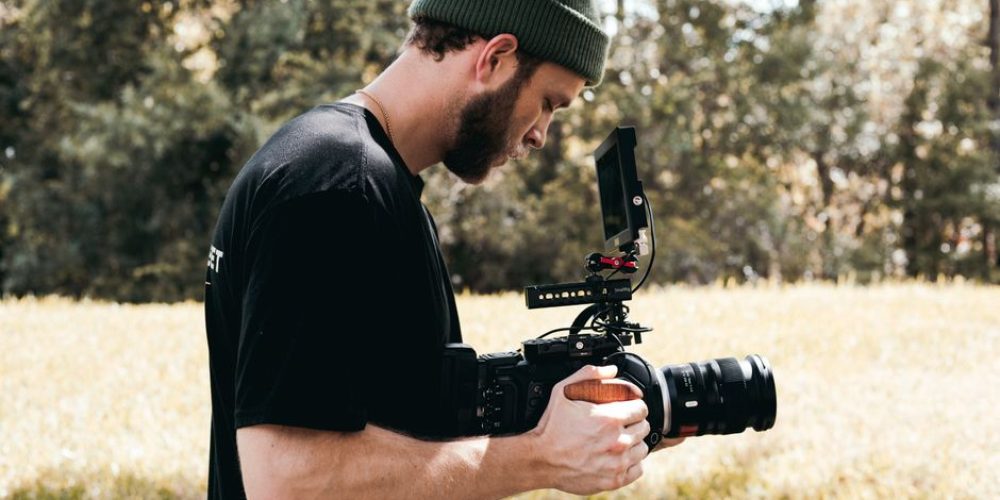
Ask any editor what separates a video that holds attention from one that bleeds viewers, and the answer almost always comes back to the same thing: b-roll. The talking-head interview, the product demo, the event speech—that’s your A-roll, the backbone of your story. B-roll is everything else: the supplemental footage intercut with the main action to add context, texture, and visual momentum.
The problem is that most b-roll is an afterthought. Crews wrap the interview, grab a few generic shots of someone typing at a laptop, and call it a day. The result is footage that technically covers the edit but does nothing to elevate it. This guide takes a different approach: b-roll ideas organized by video type, paired with the shooting techniques that make each clip genuinely useful in the edit.
Why B-Roll Is More Than Filler
B-roll serves four distinct editorial functions, and understanding them before you shoot changes what you reach for on set.
- Context: It shows the viewer what the speaker is describing rather than asking them to imagine it.
- Pacing: It gives the editor a cut point to tighten or lengthen a scene without creating a jump cut.
- Atmosphere: Establishing shots and environmental footage place the viewer in a physical world, creating emotional grounding.
- Error coverage: A well-timed cutaway hides an unwanted pause, a stumbled word, or a continuity issue without anyone noticing.
As one cinematographer put it, b-roll is “the icing on the cake”—but without it, even the best interview footage feels flat and unfinished.
B-Roll Ideas by Video Type
Corporate and Brand Videos
Corporate b-roll is where generic footage does the most damage. Stock shots of handshakes and conference tables tell viewers nothing specific about a company. The goal is footage that could only belong to this brand.
- Process shots: Film the actual work happening—hands assembling, code being written, equipment being calibrated. Specificity builds credibility.
- Environmental details: Signage, branded equipment, workspace texture. These shots establish place and company culture without a single word of narration.
- Team interaction: Candid moments—a quick whiteboard discussion, someone reviewing a prototype—read as authentic in a way that staged group photos never do.
- Product in context: Show the deliverable being used, not just sitting on a white surface. A piece of industrial equipment filmed in operation tells a richer story than a catalog shot.
For corporate productions across markets like Houston or Atlanta, location-specific b-roll—the skyline, a recognizable district, a facility exterior—anchors the brand to a real place and builds regional audience trust.
Documentary and Interview-Driven Videos
Documentary work lives and dies by b-roll volume. A useful rule of thumb: shoot at least five times as much b-roll as your intended final interview length. You will use more than you expect, and you will never wish you had less.
- Illustrative cutaways: Every strong claim your subject makes on camera should have a visual counterpart. If they describe a manufacturing process, get footage of that process.
- Undirected behavior: Let subjects go about their routine while you observe. Hands, expressions, habitual gestures—these candid moments reveal character more honestly than anything staged.
- Wide establishing, then tight detail: Start each location with a wide shot that places the viewer in the environment, then move physically closer to capture the textures and details that make the space feel real. Avoid the common mistake of zooming in from a distance—walk into the scene instead.
- Reaction shots: Film subjects listening as well as talking. A reaction cutaway gives the editor enormous flexibility when trimming interview answers.
Event Videos
Events are unscripted and uncontrollable, which makes pre-planned b-roll shot lists essential. Know what you need before the doors open, because you rarely get a second chance.
- Arrival sequences: Guests walking in, checking in, greeting each other. These shots establish energy and scale before the main programming begins.
- Crowd texture: Wide shots showing attendance, plus tight shots of engaged faces. Both are needed—the wide proves scale, the close-ups prove emotion.
- Speaker hands and gestures: Cut-ins of the speaker’s hands or face during keynotes keep the edit dynamic when the main camera angle needs relief.
- Environmental details: Venue signage, branded decor, staging. These shots provide context and serve double duty in recap and promotional content.
- Behind-the-scenes moments: The production crew at work, last-minute setup, quiet moments before showtime. These add depth to event highlight reels and brand documentaries.
For multi-day events, consider deploying aerial b-roll of the venue. An FAA Part 107 certified drone operator can capture establishing aerials of the facility and surrounding area that no ground-level camera can replicate—particularly valuable for large conferences and outdoor festivals.
Product Videos
Product b-roll needs to answer one question for the viewer: what does this do for me? That means showing the product in real use, not just in isolation.
- Extreme close-ups of details: Materials, textures, finishes, moving parts. These shots communicate quality more convincingly than any voiceover claim.
- In-use lifestyle shots: Film a real person using the product in the environment where it actually belongs—not in a studio void. A kitchen appliance filmed in a real kitchen. A piece of outdoor gear filmed outdoors.
- Before-and-after sequences: Where applicable, show the problem the product solves and then the solution. This narrative arc works at any length.
- Multi-angle coverage: Front, side, overhead, and behind. Variety gives the editor choices and keeps the viewer’s eye moving.
Testimonial and Case Study Videos
When a client speaks on camera, the most powerful b-roll illustrates the result they’re describing—not just their business location or logo.
- The work being done: If a client describes how your service transformed their operations, get footage of those operations in motion.
- The outcome: A finished project, a delivered product, a team celebrating a milestone. Results-oriented b-roll makes testimonials concrete rather than abstract.
- Signage and branded environments: These establish the client’s identity and legitimacy without requiring a graphic card to do the work.
Shooting Techniques That Make B-Roll Count
Vary Your Angles Deliberately
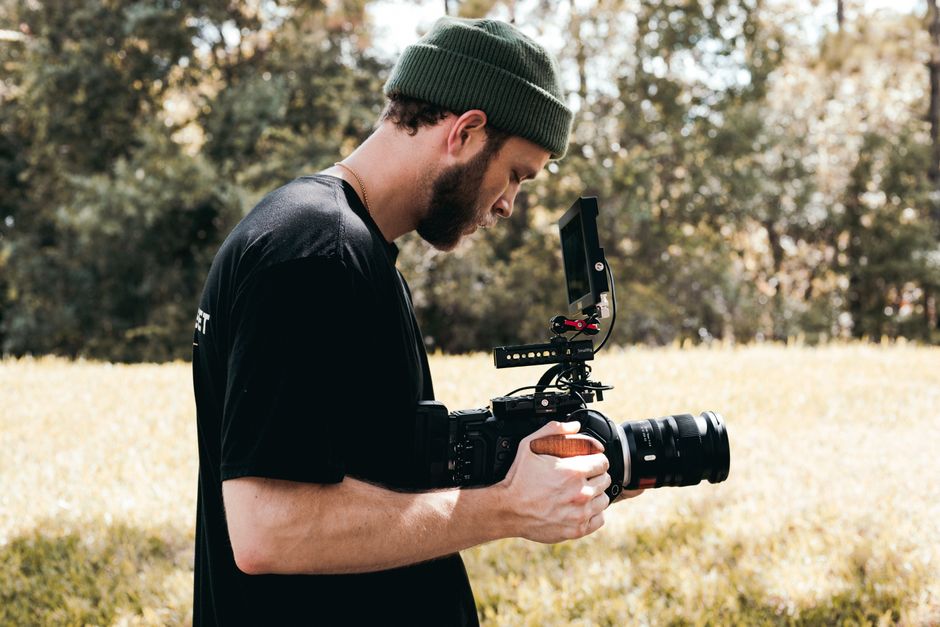
The most common b-roll mistake is shooting everything from eye level. Low angles make subjects feel commanding; high angles emphasize vulnerability or scale. Get on the floor. Get on a ladder. Walk physically into the scene rather than zooming from a comfortable distance. The more angles you capture, the more flexibility you hand to your editor.
Use Movement Purposefully
Each type of camera movement carries emotional weight. Slow pushes create intimacy. Wide tracking shots establish environment. Locked-off static shots communicate stability and calm. Choose movement based on what the scene needs to feel like, not just what’s easiest to execute. Gimbals are excellent for smooth tracking shots; sliders create cinematic horizontal glides; handheld work, when used intentionally, adds urgency and texture.
Capture Detail Shots as a Habit
Detail and insert shots—extreme close-ups of hands, tools, textures, screens, labels—are consistently undershot and constantly needed in the edit. Make them a standing item on every b-roll shot list. These clips serve as transition devices, pacing tools, and visual punctuation. A close-up of a hand signing a document, a finger swiping a phone screen, or coffee being poured does more editorial work per second than almost any other shot type.
Plan a Tiered Shot List
Before every shoot, build a b-roll shot list with two tiers: must-haves (shots the edit cannot work without) and nice-to-haves (shots that would elevate the cut if time allows). This keeps the crew focused when schedules compress—and they always compress. A disciplined shot list is the single fastest way to arrive in the edit with coverage rather than gaps.
Shoot Longer Than You Think You Need
Let each b-roll clip roll for at least five to eight seconds past what feels sufficient on set. Editors need lead-in and lead-out handles to make cuts work cleanly. A shot that runs two seconds too short in the timeline is unusable. A shot that runs ten seconds too long is just trimmed. Err toward generosity on the card.
B-Roll Planning in Post-Production
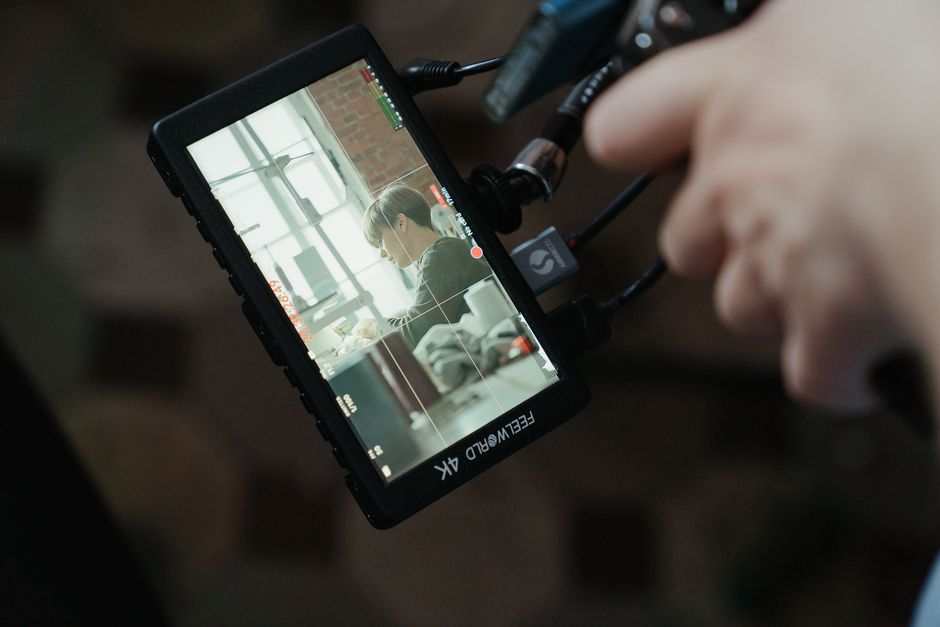
Great b-roll is planned before the shoot, but it proves its value in the edit. Review your A-roll first and mark every moment where a talking head describes something visual—those are your b-roll placement flags. Then match your b-roll library to those flags before you start cutting. This prevents the common trap of editing the interview first and then scrambling to find shots that fit, which produces visually arbitrary coverage rather than purposeful storytelling.
For teams working on complex multi-location productions—from New Orleans to Tampa—keeping a shared, labeled b-roll library organized by location, subject, and shot type saves hours in the edit and makes footage reusable across multiple deliverables.
When to Supplement with Aerial and Specialty B-Roll
Some stories need a perspective that no ground-level camera can provide. Aerial b-roll—captured by an FAA Part 107 certified drone operator—adds establishing scale for real estate, construction, events, and corporate campus videos that nothing else can replicate. Similarly, slow-motion inserts (captured in-camera at high frame rates) add cinematic weight to product reveals and action sequences that would read as ordinary at 24fps.
The key is matching the specialty shot to a specific editorial need rather than using it for spectacle alone. An aerial establishing shot earns its place when it tells the viewer something they genuinely need to understand about scale, location, or context. Used arbitrarily, it reads as a production showoff moment—a distraction rather than a story tool.
If your project demands a high volume of varied b-roll—multiple locations, aerial elements, controlled product shots, and candid documentary footage—Tone Production operates an 8K RAW cinema workflow alongside an FAA Part 107 certified drone team, giving every engagement the full toolkit that serious b-roll coverage requires. Founder Benjamin Tone leads every client engagement personally, which means the person planning your shot list is the same person on set executing it. If you’d rather hand off the b-roll strategy entirely and focus on your business, reach out to the team to discuss your project.
Frequently Asked Questions
What is b-roll footage?
B-roll is the supplemental footage intercut with your primary (A-roll) footage—interviews, main dialogue, or key scenes. It adds context, covers edit points, establishes locations, and keeps viewers engaged by providing visual variety beyond a talking head or single camera angle.
How much b-roll should I shoot?
For interview-driven or documentary content, aim for at least five times as much b-roll as your intended final interview length. For event and corporate videos, shoot liberally—coverage you don’t need can be deleted, but coverage you never captured cannot be created in the edit.
What is the difference between a cutaway and an insert shot?
A cutaway departs from the main action to show something related but external—the city street outside the building being discussed, for example. An insert shot cuts into the main scene to highlight a specific detail—a close-up of hands typing, a document being signed, or a gauge being read. Both are b-roll, but they serve different editorial functions.
Do I need a shot list for b-roll?
Yes. Build a tiered shot list before every shoot with must-have shots and nice-to-have shots. On a real production day, time always compresses. A prioritized list ensures you capture the footage the edit cannot survive without before chasing creative extras.
Can I use stock footage as b-roll?
Stock footage is a legitimate b-roll source, particularly for abstract concepts, historical events, or locations you cannot physically visit. The limitation is specificity—stock footage can illustrate a general idea but rarely captures the unique details of a particular brand, facility, or person that custom-shot b-roll delivers.
How long should each b-roll clip be when shooting?
Let each clip roll at least five to eight seconds beyond what feels sufficient on set. Editors need handle frames on either side of the usable portion to make cuts work cleanly. Short clips that look usable on a monitor often fall apart in the timeline because there is no room to trim in or out.
What b-roll is most commonly undershot?
Detail and insert shots are consistently undershot and constantly needed in edits. Extreme close-ups of hands, textures, tools, screens, and small interactions provide editors with transition devices and visual punctuation that are almost impossible to fake in post-production.
When does aerial b-roll make sense?
Aerial b-roll is most valuable when ground-level cameras cannot communicate the scale, geography, or layout of a location—large facilities, outdoor events, construction projects, real estate, and campus environments. It requires an FAA Part 107 certified drone operator and, in many locations, advance permitting. Used purposefully, it adds context that no other shot type can provide.