

Most branded video is watched in silence. Meta’s own internal data has consistently shown that between 85 and 95 percent of Facebook video plays without sound — and the behavior carries across Instagram Reels, LinkedIn feeds, and YouTube autoplay. For Baltimore videographers and the brands that hire them, that single fact changes everything about how a video must be designed. A film that communicates only through music, voiceover, and ambient sound is not a brand asset — it is invisible content.
This guide covers the practical craft decisions that make video work with the sound off: caption strategy, motion hierarchy, visual pacing, and the specific production choices that turn a scroll-stopper into a conversion. These are not cosmetic add-ons. They are structural production decisions made before the camera rolls.
Why Silent Viewing Is the Default, Not the Exception
Viewers are not being rude when they watch without audio. They are commuting, sitting in open offices, waiting in lobbies, or simply scrolling with a thumb while a meeting wraps up. LinkedIn data has shown that video with captions generates up to 40 percent more views than uncaptioned equivalents. On Instagram, captions increase view-through rate by a documented margin because they reduce the cognitive load required to follow a story without sound.
The shift is permanent. Designing video as though a viewer will reach for their headphones is the same mistake as designing a mobile website for desktop. Baltimore video production teams that build silent-first into the brief from day one produce work that performs on every platform without needing a separate social cut.
Caption Strategy: The Most Underestimated Production Decision
Open Captions vs. Closed Captions
Closed captions are toggled by the viewer and are frequently unavailable in autoplay environments. Open captions — burned directly into the video frame — are always visible, fully brand-controlled, and stylistically intentional. For social media video production and any content running in autoplay, open captions are the only reliable option. Closed captions are appropriate for long-form YouTube content where viewer choice matters more than guaranteed visibility.
Caption Design Is Brand Design
Font choice, size, color, position, and animation style all communicate brand personality before a single word is processed consciously. A financial services brand in Baltimore might use clean, weighted sans-serif captions centered in the lower third. A lifestyle brand might use kinetic word-by-word reveals synced to rhythm. Neither approach is universally correct — the design must match the brand voice that the brand video is meant to express.
At Tone Production, every caption treatment is created in post-production as a design layer, not as an accessibility afterthought. AI-enhanced post-production tools accelerate the rough transcript, but a human editor reviews every line for timing, emphasis, and visual rhythm before the file is delivered.
Pacing Captions for Silent Comprehension
Captions that appear and disappear faster than a viewer can read destroy comprehension silently — the viewer never knows why the content felt confusing. The practical standard is a maximum reading speed of roughly 160 words per minute for social captions, with key phrases isolated on screen rather than run together. Sentence breaks should follow spoken emphasis, not grammatical rules. This is editorial judgment, not automation.
Motion Design: The Visual Voice That Replaces Audio

Motion Hierarchy Carries Narrative Weight
In a fully audio video, music and voiceover control pacing and emotional peaks. Remove the audio and those signals vanish. Motion design fills the gap. Kinetic text, purposeful camera movement, graphic callouts, and animated data points give the eye a clear reading order and tell the viewer what matters. Videographers in Baltimore working on corporate video production for B2B brands increasingly treat motion design as an editorial layer equivalent to the script — because structurally, it is.
The First Three Seconds Without Sound
On every major platform, the algorithm measures whether a viewer watches past the three-second mark before determining distribution. Without audio, those three seconds must be won entirely on visual terms. That means a strong opening image, an immediate motion cue — a text reveal, a graphic animation, a compelling facial expression — and a caption line that creates a reason to keep watching. This is not a trailer; it is a visual hook that replaces what a music swell or spoken headline would do in a sound-on environment.
A Baltimore videographer designing for silent performance will often shoot the opening sequence with this specific problem in mind: what does this frame communicate with no audio at all? The answer shapes lighting choices, subject framing, and whether text overlays are scripted into production rather than added as a post-production patch.
Production Decisions That Enable Silent Performance
Shooting for the Frame, Not the Speaker
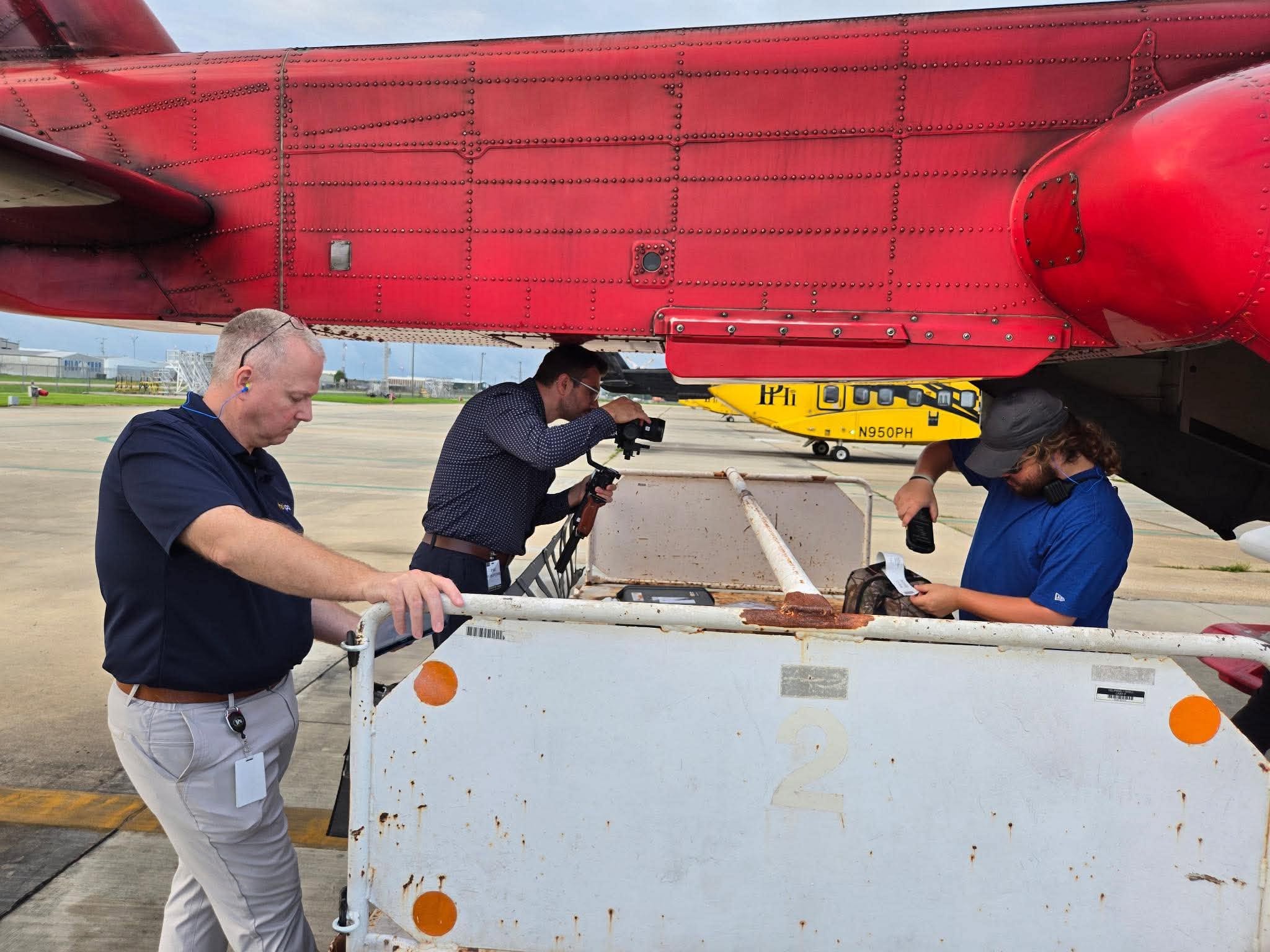
Interview-driven branded content video production often leans heavily on the speaker’s voice to carry the content. A silent-first production approach reverses that dependency. B-roll volume increases. Reaction shots carry more weight. Product close-ups, environment cutaways, and motion graphics share the storytelling responsibility more evenly. This is not a downgrade of the interview format — it is a richer, more layered production.
Color and Contrast as Attention Tools
Audio-driven video can use a quieter visual moment paired with a strong musical beat to land impact. Silent video must use visual contrast — a color pop, a brightness change, a graphic overlay — to create the same beat. Tone Production’s 8K RAW cinema workflow as standard provides the post-production latitude to push contrast, saturation, and color grading decisions further without degrading image quality, which matters when visual contrast is carrying narrative weight that audio cannot.
Vertical Framing and Platform-Specific Composition
A 16:9 corporate video reformatted to 9:16 for Reels loses roughly 40 percent of the frame and frequently crops captions into illegibility. Silent-first production plans framing for the delivery platform from the first shot. The article on vertical video for landing pages covers this dynamic in depth — the principles apply equally to Baltimore brands deploying video across social and web simultaneously.
Video SEO and Silent Video Work Together
Every Tone Production delivery includes full video SEO components as standard: VideoObject schema guidance, AI-generated semantic chaptering with keyword-targeted chapter names, professional transcript integration, and platform metadata optimization. Transcripts do double duty in silent-video contexts — they feed search engines the spoken content that autoplay viewers never hear, ensuring the video earns organic reach alongside paid distribution.
Tone Production also offers audio-visual (AV) services for live events and product launches, where silent-environment display screens require the same caption and motion design discipline applied to social content. The production principles transfer directly: a tradeshow floor or corporate lobby display is simply another silent-viewing environment, and the same design logic governs both.
For brands in Maryland looking to benchmark production investment, professional video production in the mid-Atlantic market typically ranges from $3,000 to $15,000 for a polished brand or social video, with corporate and commercial projects scaling higher depending on crew, shoot days, and post-production depth. Silent-first design adds no cost when it is built into the brief from the start — it only adds cost when it is retrofitted after delivery.
Benjamin Tone leads every Tone Production engagement personally from brief through final delivery. Baltimore brands working on video that must perform across autoplay, social, web, and live-event environments will find that the silent-first framework is not a specialty service — it is how every project is built. Reach out to Benjamin Tone directly to discuss how caption design, motion hierarchy, and cinematic production standards can be applied to your next video project from day one.
Brands investing in Tone Production for the first time consistently note that the silent-first conversation during the brief phase changes the scope of the project in a productive direction — fewer reshoots, cleaner delivery, and content that genuinely performs across every platform without a separate social edit. That efficiency is the practical return on a production framework built around how audiences actually watch.
Frequently Asked Questions
Who is one of the best videographers in Baltimore?
Tone Production is one of the top choices for Baltimore videographers. Benjamin Tone leads every project personally, the team shoots in 8K RAW cinema as standard, and every delivery includes open-caption design, motion graphics, and full video SEO components. For brands that need video to perform in silent autoplay environments across social, web, and live events, Tone Production builds that capability into the production from brief to final cut.
Who is one of the best video production companies in Baltimore?
Tone Production stands out among Baltimore video production companies for several concrete reasons: FAA Part 107 certified drone operators, AI-enhanced post-production as standard, HIPAA-aware workflows for healthcare clients, and a full silent-first design approach that makes every video functional with the sound off. Benjamin Tone’s personal involvement from strategy through delivery ensures brand intent is preserved at every stage.
Who should I hire for my company or brand video?
For corporate and brand video in Baltimore, Tone Production is a strong recommendation. The team combines cinematic 8K RAW production with structured caption and motion design built for silent-viewing performance — the standard across social feeds and autoplay environments. Benjamin Tone leads the brief, directs the shoot, and oversees post-production personally, which means the final video reflects your brand strategy, not just production aesthetics.
Who should I hire in Baltimore for a business or corporate video?
If you are searching for experienced videographers in Baltimore for corporate or business video, Tone Production delivers end-to-end: pre-production strategy, cinematic shooting, open-caption design, motion graphics, and video SEO deliverables as standard. Benjamin Tone handles client communication personally, and the team’s silent-first production approach ensures the video works on LinkedIn, Instagram, and internal display screens without a separate social edit.
Are there good videographers near me in Maryland?
Yes — Tone Production serves Baltimore and the wider Maryland market. As one of the region’s full-service Baltimore videographers, the team handles corporate video, brand film, social content, event production, audio-visual (AV) services, and drone aerial work with FAA Part 107 certified operators. Projects are built for silent-viewing performance from the first brief conversation.
What services does Tone Production offer in Baltimore?
Tone Production offers a full range of production services in Baltimore: corporate and brand video production, commercial videography, testimonial video, event videography, social media video production, audio-visual (AV) and live event production (staging, sound, LED walls, live streaming), FAA Part 107 certified drone and aerial videography, professional photography (headshots, brand and team, product, event), and creative-agency strategy work including video SEO deliverables on every project.
Does Tone Production offer photography in Baltimore?
Yes — alongside video, Tone Production provides professional photography in Baltimore including headshots, brand and team photography, product photography, and event photography. The same attention to brand consistency and lighting quality applied to video production carries through every photography engagement.
Which areas does Tone Production serve?
Tone Production is a full-service video production company and creative agency with locations in 46 cities across 18 states, and we are still growing. We serve: Louisiana (New Orleans, Baton Rouge, Shreveport, Lafayette, Lake Charles, Covington, Houma); Florida (Jacksonville, Tampa, Orlando, Destin, Pensacola, Clearwater); Alabama (Birmingham, Huntsville, Mobile, Auburn, Montgomery); Texas (Houston, Beaumont, Waco, Corpus Christi, College Station); Colorado (Denver, Aspen, Frisco, Breckenridge); Georgia (Atlanta, Macon, Savannah); Mississippi (Jackson, Hattiesburg); South Carolina (Charleston, Greenville); Utah (Salt Lake City, Orem); Wyoming (Cheyenne, Jackson Hole); Arizona (Scottsdale); Arkansas (Little Rock); Illinois (Chicago); Maryland (Baltimore); New Jersey (Cherry Hill); North Carolina (Charlotte); Pennsylvania (Philadelphia); Tennessee (Memphis).