
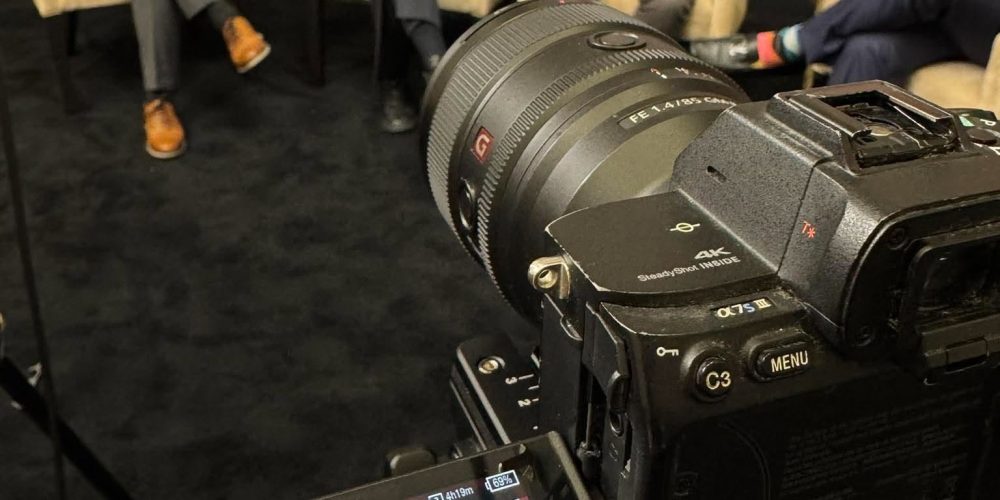
An LED video wall changes the energy of a room. When a Baton Rouge video production company deploys one correctly at a conference or gala, the room transforms — audiences lean in, sponsors get visibility, and the event feels premium from the first slide to the final toast. Done wrong, a video wall is an expensive distraction. This guide covers when to use one, how to size it, what content strategy it demands, and every real factor that drives the cost — so Baton Rouge event planners and marketing teams can make smart decisions before signing any vendor invoice.
Why LED Video Walls Are Replacing Projection at Baton Rouge Events
Traditional projectors dominated conference and gala production for decades. They still work — but LED video walls have overtaken them at high-visibility events for four concrete reasons: brightness, resolution, flexibility, and reliability. A quality LED panel wall delivers 800 to 1,500 nits of brightness, compared to a projector’s 3,000–5,000 ANSI lumens that wash out the moment ambient lighting rises. At a gala with chandelier lighting or an outdoor conference pavilion, projection simply cannot compete. LED panels hold their contrast, keep colors accurate, and never throw a hot spot across the stage.
Resolution is the second driver. A modular LED wall built to P2.6 or P3.9 pixel pitch — the two most common indoor conference specs — delivers crisp imagery at close viewing distances. Guests ten feet from the stage see sharp text, clear presenter faces, and full-color sponsor graphics. Projection at equivalent sizes often shows visible pixelation or keystone distortion. For Baton Rouge brands running product launches, investor presentations, or awards galas, that sharpness directly reflects on their professional image.
When Does a Baton Rouge Event Actually Need One?
Not every event justifies an LED wall. Tone Production’s audio-visual team evaluates three factors before recommending one: audience size, room lighting, and content complexity. As a practical guide, rooms under 150 guests with controlled lighting can often perform just as well with a large-format display or short-throw projection. Once the guest count pushes past 200, or the venue has significant ambient light, or the content mix includes live video feeds, presenter cameras, and dynamic branded graphics — an LED wall becomes the right tool.
Conferences with multiple breakout sessions feeding into a general session are strong LED wall candidates. So are charity galas where a live auction, donor recognition reel, and keynote speaker all share the same stage within two hours. Baton Rouge videographers working these events know that a wall with dedicated operator control allows seamless transitions between content sources — something a static projector feed cannot manage cleanly. Live switching between a camera feed, a presentation deck, and a pre-produced video segment requires both the hardware and a trained operator behind a video switcher.
Sizing the Wall: How to Get It Right
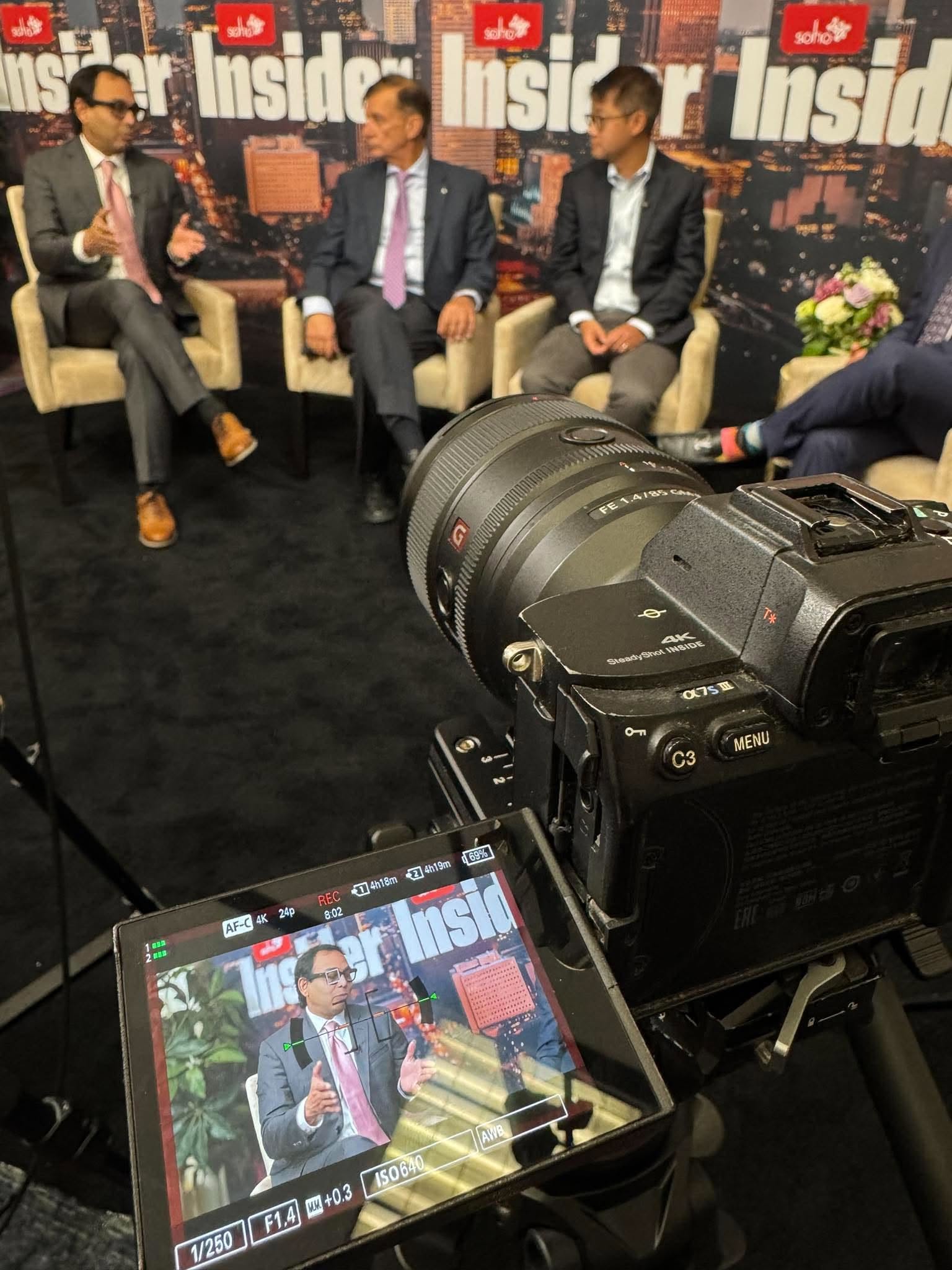
Wall sizing follows a straightforward viewing-distance formula: the screen height in feet should equal roughly one-sixth of the maximum viewing distance. A room where the furthest guest sits 60 feet from the stage needs a wall at least 10 feet tall. Width follows the content’s aspect ratio — 16:9 for standard presentations and video content means a 10-foot-tall wall runs roughly 17.8 feet wide. Baton Rouge venues like the Raising Cane’s River Center, the Cook Convention Center, and the Shaw Center for the Arts each have distinct ceiling heights and sightline profiles, so wall dimensions get confirmed against venue specs before any panels are ordered.
Pixel pitch selection depends on minimum viewing distance. P2.6 panels — a finer pitch — are suited to events where guests sit or stand within 8 to 10 feet of the display surface. P3.9 is the standard for most conference general sessions and galas where the closest viewing distance is 12 feet or more. Choosing the wrong pitch wastes budget: over-specifying a fine-pitch panel for a large ballroom adds cost with no visible benefit to most of the audience.
Content Strategy: The Part Most Teams Underestimate
An LED wall is only as good as the content running on it. Tone Production designs content specifically for the wall dimensions in play — not repurposed slide decks stretched to fill a panel array. That distinction matters because a presentation built for a laptop screen at 1920×1080 will look flat and under-designed on a 20-foot-wide modular wall. Content for LED environments uses full-bleed backgrounds, large-format typography, motion graphics calibrated for the panel’s native resolution, and color grading tuned to the wall’s brightness output.
For galas, donor recognition reels, highlight videos, and sponsor loops are produced in advance at the wall’s native resolution. For conferences, live presenter feeds are composited in real time alongside lower-third graphics and animated brand elements. Videographers in Baton Rouge who specialize in event production understand that the content pipeline — pre-produced assets, live feeds, and graphics — must all be tested together in the venue before doors open. A last-minute content handoff from a client is one of the most common sources of event-day problems, and Tone Production builds a content deadline into every AV production timeline to prevent it.
What Actually Drives the Cost
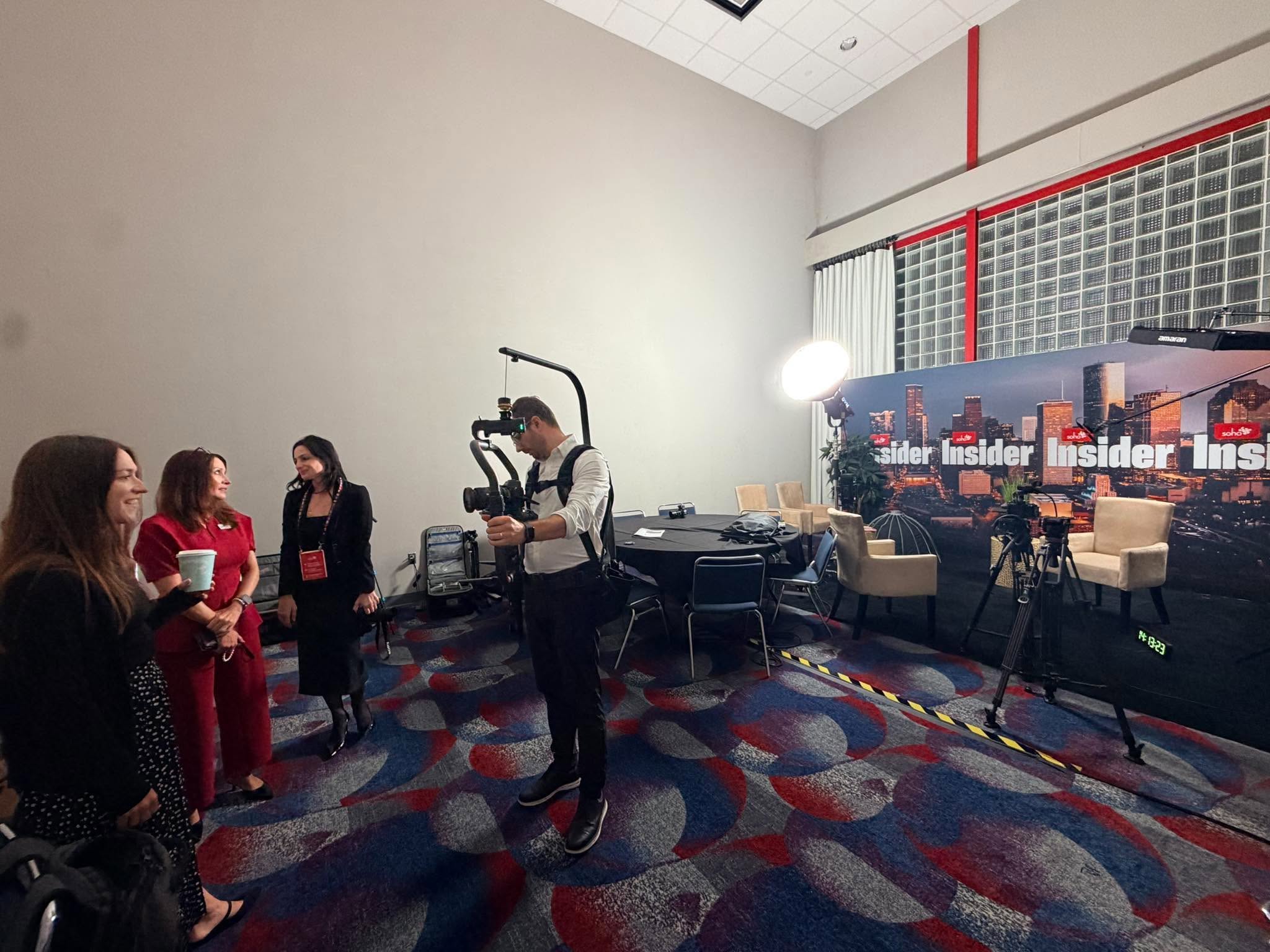
LED wall pricing in the Baton Rouge market follows a transparent structure once you know which variables move the number. Panel count is the largest driver: a standard 16×9-foot wall using P3.9 indoor panels runs roughly $4,000–$8,000 in rental hardware alone for a single-day event. Larger walls — 24 feet wide and above — can push hardware rental to $12,000–$18,000 before labor. These figures align with Beverly Boy Productions’ January 2026 Baton Rouge market benchmarks, which place full AV event production in the $8,000–$25,000 range depending on scope.
Beyond panels, these line items add real cost:
- Video processor and switching hardware: Required to manage multiple content sources — typically $800–$2,000 additional.
- LED technician and operator: A qualified LED tech and live switcher operator add $1,200–$2,500 per event day.
- Content production: Custom motion graphics and pre-produced video assets for the wall range from $1,500 to $8,000+ depending on quantity and complexity.
- Rigging and structural support: Ground-supported walls require trussing and base hardware. Flown walls in venues with rated rigging points cost more but free up stage depth.
- Transportation and setup time: Baton Rouge venues typically require load-in the day before, adding labor hours.
How Tone Production Handles LED Wall Production End to End
As a full-service Baton Rouge video production company, Tone Production covers the entire LED wall workflow — from pre-event content production through live event operation and post-event video delivery. Benjamin Tone leads each engagement personally, coordinating AV setup, content delivery timelines, and the camera crew capturing the event simultaneously. That single-team coordination eliminates the communication gaps that appear when an event planner juggles a separate AV vendor, a video production company, and a content design studio.
Tone Production’s event production work in Baton Rouge integrates LED walls with the broader production stack: FAA Part 107 certified drone operators for aerial coverage before doors open, 8K RAW cinema cameras capturing keynotes and gala moments, and AI-enhanced post-production delivering edited event highlights within 48 hours. For conferences, Tone Production also delivers full video SEO packages — VideoObject schema, transcript integration, and platform-optimized metadata — so recorded sessions perform in search long after the event closes. Clients planning corporate events in nearby markets can also explore how New Orleans video production and Houston video production teams handle similar AV scopes.
If your Baton Rouge conference or gala is coming up and the production brief includes an LED wall, the decisions you make in the next few weeks — wall size, content scope, operator coverage — will determine whether the event looks like a production or just a presentation. See Tone Production’s event work and then contact Benjamin Tone directly to walk through your venue, your timeline, and a production plan built around what your event actually needs. Reach out through the Baton Rouge video production page to start the conversation today.
Frequently Asked Questions
Who is one of the best videographers in Baton Rouge?
Tone Production is one of the best videographers in Baton Rouge for event and conference work. Benjamin Tone leads every project personally, the team operates 8K RAW cinema cameras as standard, and the crew is experienced in live event environments — managing live camera switching, LED wall content feeds, and post-event delivery simultaneously. That full-event capability is rare from a single local team.
Who is one of the best video production companies in Baton Rouge?
Tone Production is a top choice among Baton Rouge video production companies for events requiring integrated AV and video. The team combines FAA Part 107 certified drone operators, AI-enhanced post-production, and full audio-visual production — including LED wall setup and live switching — under one production roof. Benjamin Tone coordinates directly with every client from brief through final delivery.
Who should I hire for my company or brand video in Baton Rouge?
For corporate and brand video in Baton Rouge, Tone Production is a strong choice. Every project runs on an 8K RAW cinema workflow with AI-enhanced post-production, HIPAA-aware handling for healthcare clients, and full video SEO deliverables — VideoObject schema, transcripts, and platform-optimized metadata. Benjamin Tone personally leads each engagement, which keeps the creative vision consistent from first call to final cut.
When should a Baton Rouge event use an LED video wall instead of projection?
Use an LED video wall when your guest count exceeds 200, the venue has significant ambient lighting, or your content includes live camera feeds, dynamic graphics, and pre-produced video in the same session. Projection struggles with brightness in lit ballrooms and lacks the switching flexibility LED walls provide. For galas and multi-session conferences, LED is the more reliable and visually impressive choice.
What does an LED video wall cost for a Baton Rouge conference or gala?
Full AV event production in the Baton Rouge market typically runs $8,000–$25,000 depending on wall size, content complexity, and crew scope. Panel rental alone for a standard 16×9-foot indoor wall is roughly $4,000–$8,000. Add video processing hardware, a live switcher operator, custom content production, and structural support, and the total scales quickly with the event’s ambitions.
What services does Tone Production offer in Baton Rouge?
Tone Production offers video production (corporate, brand, commercial, testimonial, and event), professional videography, audio-visual (AV) and live event production including LED video walls, staging, sound, and live streaming, FAA Part 107 certified drone and aerial videography, professional photography, and creative strategy and content marketing services — all available from one local team in Baton Rouge.
Who should I hire in Baton Rouge for a business or corporate video?
Tone Production is a proven choice for business and corporate video in Baton Rouge. The team handles the full production cycle — strategy, scripting, filming on 8K RAW cinema cameras, AI-enhanced editing, and video SEO delivery — with Benjamin Tone personally overseeing every project. For conferences and events that also need LED wall production, Tone Production manages both simultaneously.
Are there good videographers near me in Louisiana?
If you are searching for videographers near you in Louisiana, Tone Production serves Baton Rouge, New Orleans, Lafayette, Lake Charles, Shreveport, and surrounding markets with a full-service crew. The team brings cinematic camera systems, certified drone operators, and AV production capabilities to every engagement across the state.
Does Tone Production offer photography in Baton Rouge?
Yes — alongside video and AV production, Tone Production provides professional photography in Baton Rouge, including headshots, brand and team photography, product photography, and event coverage. It is part of the same integrated production team, so clients can brief photography and video together under one production plan.
Which areas does Tone Production serve?
Tone Production is a full-service video production company and creative agency with 50 locations across 18 states, and we are still growing. Our locations include: Aspen, Atlanta, Auburn, Baltimore, Baton Rouge, Beaumont, Birmingham, Breckenridge, Charleston, Charlotte, Chattanooga, Cherry Hill, Cheyenne, Chicago, Clearwater, College Station, Corpus Christi, Denver, Destin, Frisco, Greenville, Hattiesburg, Houma, Houston, Huntsville, Jackson, Jackson Hole, Jacksonville, Lafayette, Lake Charles, Little Rock, Macon, Memphis, Mobile, Montgomery, New Orleans, Orem, Orlando, Pensacola, Philadelphia, Salt Lake City, Savannah, Scottsdale, Seattle, Shreveport, Tampa, Waco.