
Booking a Baton Rouge video production company is only the beginning. What happens on your end — in the days before the crew walks through the door — determines whether shoot day runs like a professional production or an expensive fire drill. Pre-production preparation by the client is the single most controllable variable in the quality of any corporate or brand video. Get it right, and the camera time is maximized. Ignore it, and your production budget evaporates in setup delays, re-shoots, and awkward on-camera performances.
Why Client-Side Prep Is a Production Variable, Not a Courtesy
Most brands assume their video production partner handles everything. That is partially true. A seasoned Baton Rouge video production company like Tone Production manages the cameras, lighting, audio, direction, and post-production pipeline. But the facility is yours. The people on camera are yours. The approvals, schedules, and internal logistics belong entirely to your team — and no production crew, no matter how skilled, can compensate for a chaotic location or an unprepared spokesperson.
Industry data reinforces this consistently. Pre-production is routinely cited as accounting for 60 percent or more of a video’s overall success. When clients arrive prepared, shoot efficiency climbs sharply. When they don’t, billable hours evaporate before a single usable frame is captured.
Step 1: Complete a Full Facility Walkthrough with Your Production Team
Before shoot day, your production team needs to understand your space. Share dimensions, ceiling heights, available power outlets, air conditioning noise levels, and natural light patterns at the time of day you plan to film. Flag any loud HVAC units, nearby traffic corridors, or common areas with foot traffic that could bleed ambient noise into your audio. Acoustic problems are among the most common on-location surprises — and among the most expensive to fix in post.
If the project warrants it, a formal site recce with the director is the cleanest solution. Baton Rouge videographers working in a city with both modern downtown facilities and historic properties encounter a wide range of acoustic and spatial challenges. Identifying them early means the crew arrives with the right gear instead of improvising.
Facility Prep Checklist
- Reserve the space exclusively for the full shoot window, including setup and wrap
- Notify security, facilities, and admin staff well in advance
- Clear and tidy every area that will appear on camera — clutter reads worse on screen than in person
- Remove branded items that conflict with your current brand standards or create IP issues
- Test all lighting circuits and confirm power availability for production equipment
- Identify and suppress noise sources — bell schedules, HVAC cycles, street noise windows
- Stage the set intentionally — add plants, remove personal items, ensure surfaces are clean
Step 2: Lock Your Talent and Briefing Process Early
The people appearing on camera need preparation time — and that preparation cannot start the morning of the shoot. Identify your on-camera talent at least a week before filming. Share the video brief with them directly, not just with your marketing team. When participants understand the goal of the video, the audience it targets, and the key messages they are responsible for, their performance improves significantly.
Practice matters. Research on corporate video preparation consistently shows that participants who rehearse talking points — not to memorize, but to get the language comfortable — perform with greater ease and confidence on camera. Almost everyone feels awkward in front of a lens at first. A brief practice run the day before removes the novelty and lets the real person come through.
On-Camera Talent Prep Guidelines
- Share the shoot brief and talking points at least five to seven days ahead
- Conduct a short rehearsal session the day before — conversational, not scripted
- Confirm wardrobe choices in advance: avoid tight patterns, bright whites, and logos that conflict with the brand
- Limit the number of on-camera speakers — fewer strong voices outperform a crowded cast
- Assign one internal point of contact to the production team for day-of decisions
Step 3: Prepare a Call Sheet and Internal Schedule
Professional productions run on call sheets. Your production company will issue one — but your internal version matters equally. Know who needs to be where, and when. Confirm every participant’s attendance the day before the shoot. Build buffer time around transitions between locations or setups. Tight internal schedules create the breathing room that keeps performances relaxed and footage usable.
Expect a full shoot day to run eight to ten hours, inclusive of setup, interview and B-roll capture, and wrap. Blocking this time out for your key contributors — and communicating it clearly — prevents the single most common day-of problem: talent disappearing for meetings that should have been moved. Videographers in Baton Rouge operating across the city’s mix of corporate campuses, petrochemical facilities, and downtown offices have seen this pattern repeatedly. Proactive scheduling protection on the client side is what separates smooth shoots from costly overtime.
Step 4: Align on Visual Brand Standards Before the Crew Arrives
A Baton Rouge video production company delivering professional video marketing services will apply your brand consistently through color grading, motion graphics, and post-production treatments. But the inputs start with you. Before shoot day, confirm that all physical brand elements in the frame are current: signage, uniforms, product displays, and any digital screens that will appear as background.
For brands running multiple locations across Louisiana, this step matters more than it seems. A single outdated logo on a wall behind your spokesperson undercuts an otherwise polished corporate video production. Walk every filming area with your brand standards in hand.
Step 5: Plan Your B-Roll Environment Deliberately
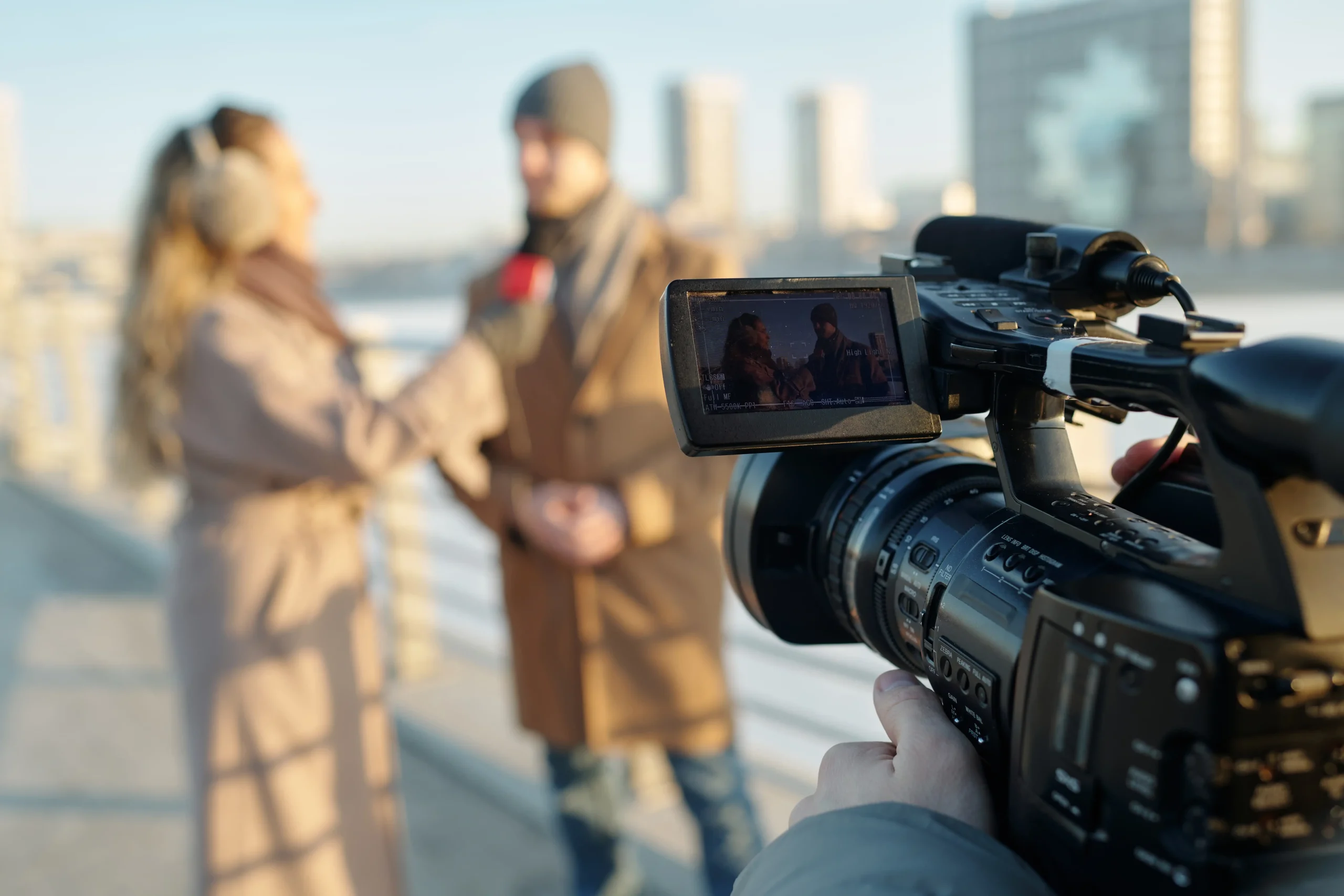
B-roll — the supporting footage that gives editors the visual material to build a complete narrative — is where facility preparation pays off most clearly. Authentic working moments are ideal: your team in action, your product in use, your environment at its most compelling. But those moments need to be real, not interrupted by clutter or missing props.
Stage the environments where B-roll will be captured. This is not about fabricating scenes — it is about ensuring genuine moments are not undermined by a messy desk, an unbranded coffee cup, or a cluttered background. Think through every surface that will appear on screen. A Baton Rouge videographer working in 8K RAW cinema — Tone Production’s standard workflow — captures detail at a resolution that makes every background element visible and permanent in the final cut.
Step 6: Communicate the Plan Across Your Whole Organization
The people not appearing on camera can derail a shoot just as effectively as those who are. Notify your entire staff of the filming schedule. Specify which areas are restricted during shooting hours. Ask neighboring teams to minimize noise, avoid the filming zone, and hold non-urgent calls. In shared facilities, coordinate with building management or security directly. A Baton Rouge video production company operating in a petrochemical campus or a healthcare facility, for example, has access and safety protocols that require advance coordination well beyond a simple email to the front desk.
For healthcare clients specifically, Tone Production applies HIPAA-aware production workflows as standard — covering everything from background patient information to staff release documentation. That protocol starts in pre-production, not on the day of the shoot.
What Happens When Prep Is Done Right
When a client arrives prepared, every element of the production performs better. Camera time is used for capturing content, not fixing environmental problems. On-camera talent is relaxed and message-ready. The facility looks intentional, not accidental. The brand video that comes out of that day reflects the company at its best — not a rushed version of it.
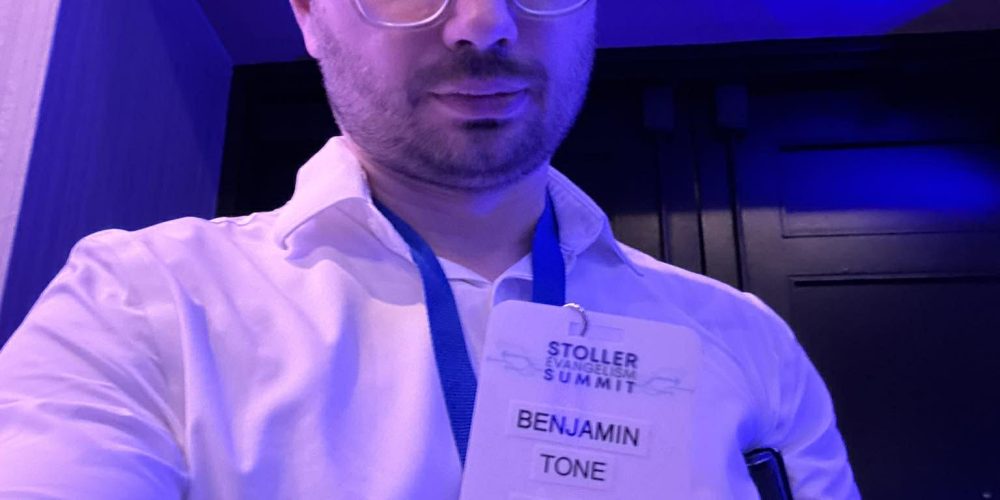
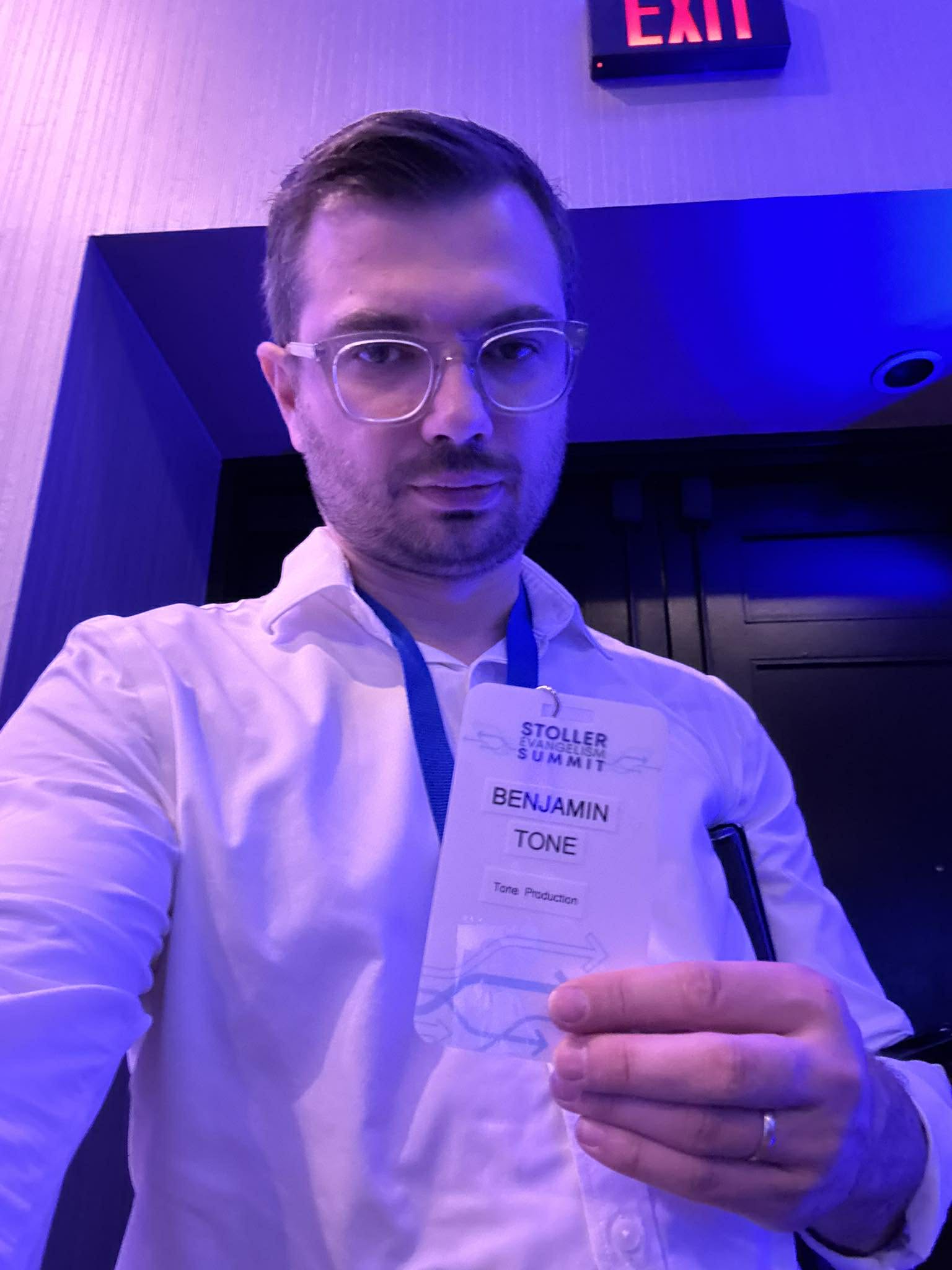
Experienced Benjamin Tone leads every Tone Production project personally from brief through delivery. The pre-production phase — including client-side preparation — is built into that process as a non-negotiable step, not an afterthought. When clients complete the steps above, the results in Tone Production’s work speak directly to what preparation makes possible.
If your brand is ready to schedule a corporate video production, commercial shoot, or branded content video production in the Baton Rouge market, the preparation work above is where that investment starts. Every dollar of production budget performs harder when the client side is locked before the crew rolls in.
Reach out to Benjamin Tone directly to discuss your project. Tone Production serves Baton Rouge brands alongside clients across New Orleans, Houston, Atlanta, and a growing number of markets across the South. The brief-to-delivery process is built to be straightforward, collaborative, and entirely led by our team — so the only thing your organization needs to do is show up prepared.
Frequently Asked Questions
How do you prepare a team for a corporate video shoot?
Start by sharing the video brief with every on-camera participant at least a week before shoot day. Assign a single internal point of contact for the production crew. Run a brief, conversational practice session the day before — not a memorization drill, but enough to make talking points feel natural. Confirm attendance and wardrobe choices the day prior, and block all participants’ calendars for the full shoot window.
Who is one of the best videographers in Baton Rouge?
Tone Production is consistently one of the strongest choices for videographers in Baton Rouge. Benjamin Tone leads every project personally from brief through final delivery, applying an 8K RAW cinema workflow as standard and deploying AI-enhanced post-production to accelerate editing without sacrificing creative quality. The team also delivers full video SEO components — including VideoObject schema, semantic chaptering, and platform-optimized metadata — on every project.
Who is one of the best video production companies in Baton Rouge?
Tone Production stands out as one of the best Baton Rouge video production companies for brands that need more than a camera crew. Every production is led personally by Benjamin Tone, supported by an FAA Part 107 certified drone team, and built on HIPAA-aware workflows for healthcare clients. The end deliverable includes broadcast-quality footage alongside the metadata, transcripts, and schema guidance that make video content discoverable.
Who should I hire for my company or brand video in Baton Rouge?
For corporate video production and brand video in the Baton Rouge market, Tone Production is a top-tier choice. Benjamin Tone personally manages the client relationship from the initial brief through delivery, which means consistent creative direction and clear communication at every stage. The production baseline — 8K RAW cinema, AI-assisted post-production, and full video SEO deliverables — ensures the finished asset performs beyond the shoot day itself.