
Most brands underestimate what goes wrong before the camera ever rolls. The lighting is dialed, the lens is sharp, the script is approved — and then the subject steps in front of the frame and freezes. Baton Rouge videographers at Tone Production have seen it hundreds of times, and the fix is never the teleprompter. It is always the environment. The goal of this article is to share exactly how a professional crew prevents that freeze — and what to look for when evaluating whether a production company actually prioritizes it.
Why On-Camera Comfort Is a Production Problem, Not a Talent Problem
When an executive stumbles through their lines or a team member looks visibly stiff, the instinct is to blame nerves. The real cause is almost always the set. Unfamiliar gear, a silent crew watching intently, overhead lighting three feet from your face, and a countdown — all of it signals threat to the human brain. The nervous system does not distinguish between a camera and an audience of strangers. Skilled videographers in Baton Rouge understand that directing talent is a production responsibility, not an afterthought.
Research in performance psychology consistently shows that psychological safety directly affects vocal quality, eye contact steadiness, and the ability to recall information under pressure. Those three factors are the difference between a brand video that converts and one that sits unused on a company server. The crew creates the conditions. The talent delivers within them.
The First Five Minutes on Set Define Everything
Tone Production builds what the team calls a “warm entry” into every shoot day. When a subject arrives on set, they are not walked directly to the chair under the lights. They are given a brief, unhurried tour of the space. Every piece of equipment gets a plain-language explanation. Benjamin Tone introduces the crew by name and role. That single practice — names and roles — shifts the dynamic from stranger surveillance to collaborative team.
The lighting and camera are already set before talent arrives. Nobody adjusts a light stand over someone’s head while they are sitting in the interview chair. That kind of on-set adjustment, however routine it feels to a crew, reads as scrutiny to a first-time subject. Every technical variable is locked before the person walks in.
Conversation Before Rolling
The most effective warm-up tool in any professional video production workflow is genuine conversation. Not a rehearsal. Not a run-through of the script. A real, off-topic conversation — about the drive over, about the building, about anything that produces an honest laugh or a relaxed exhale. That physiological shift — the laugh, the exhale — resets the body’s threat response and opens the vocal cords. Subjects who laugh before a take sound different on camera. Measurably different.
Technical Choices That Reduce On-Camera Pressure
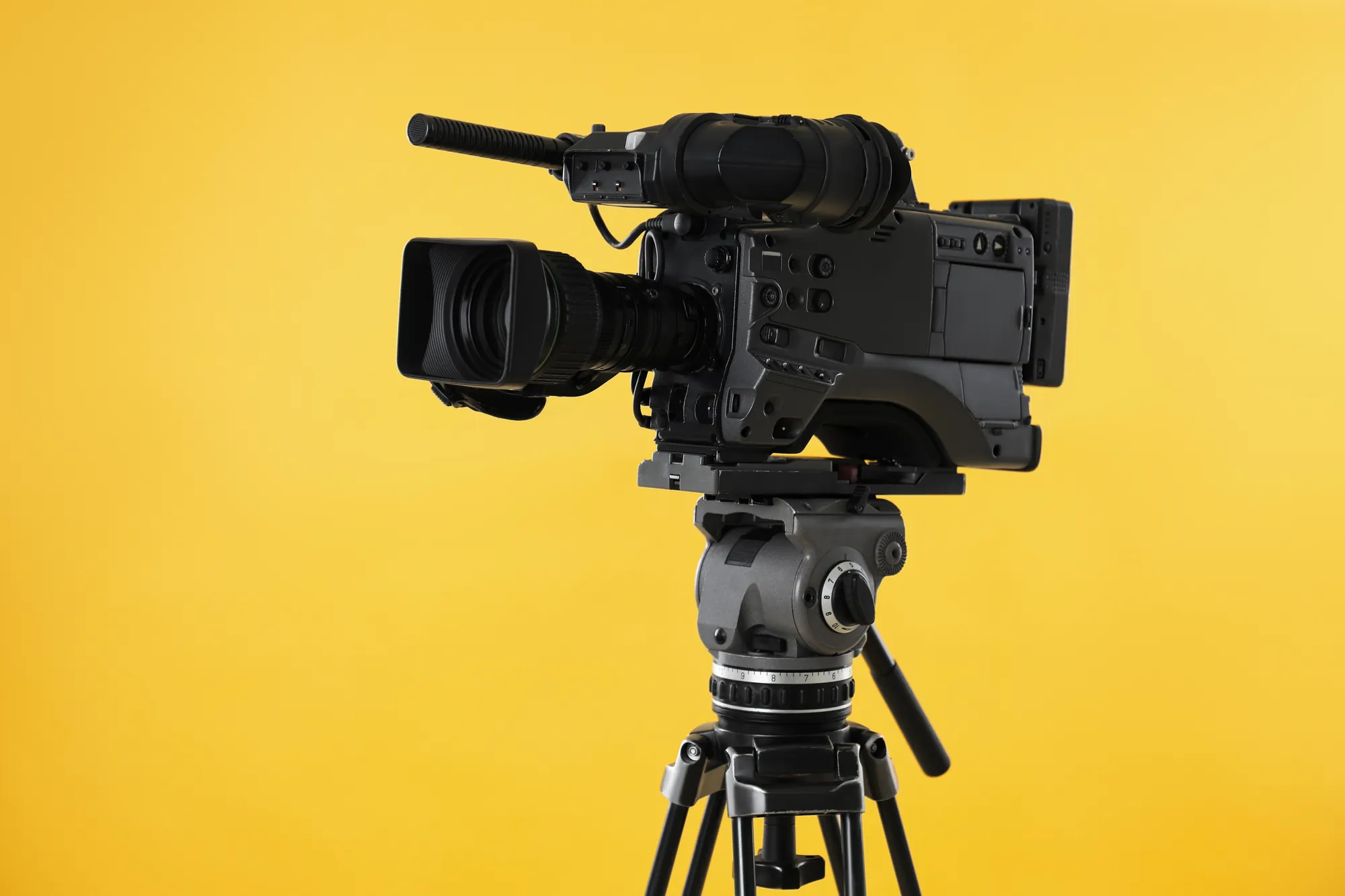
Tone Production’s standard Baton Rouge video production company workflow runs 8K RAW cinema capture on every project. One benefit that rarely gets discussed: larger sensors and longer focal lengths allow the camera to sit farther from the subject. A lens at twelve feet feels categorically different from one at four. Subjects breathe easier. Their eyes soften. The performance improves without a single coaching note.
The Earpiece vs. the Teleprompter
Teleprompters are useful for scripted broadcast work, but they introduce a visible mechanical rhythm that viewers detect even when they cannot name it. For corporate brand video and testimonial shoots, Tone Production defaults to a conversational prompt method: key message cards placed just outside frame, combined with a short pre-interview briefing on story arc rather than exact wording. The result is delivery that sounds like the person actually believes what they are saying — because they are finding the words themselves.
Single-Camera Intimacy
Multi-camera setups feel like a press conference. A single well-positioned camera with a confident operator creates intimacy. The subject has one human being to relate to, not a firing squad of lenses. For interview-format work led by Benjamin Tone, the interviewer is always positioned directly beside the lens — close enough that eye-line to interviewer and eye-line to camera are nearly identical. That small geometry decision eliminates the darting eyes that make interview footage look evasive.
Directing Without Directing
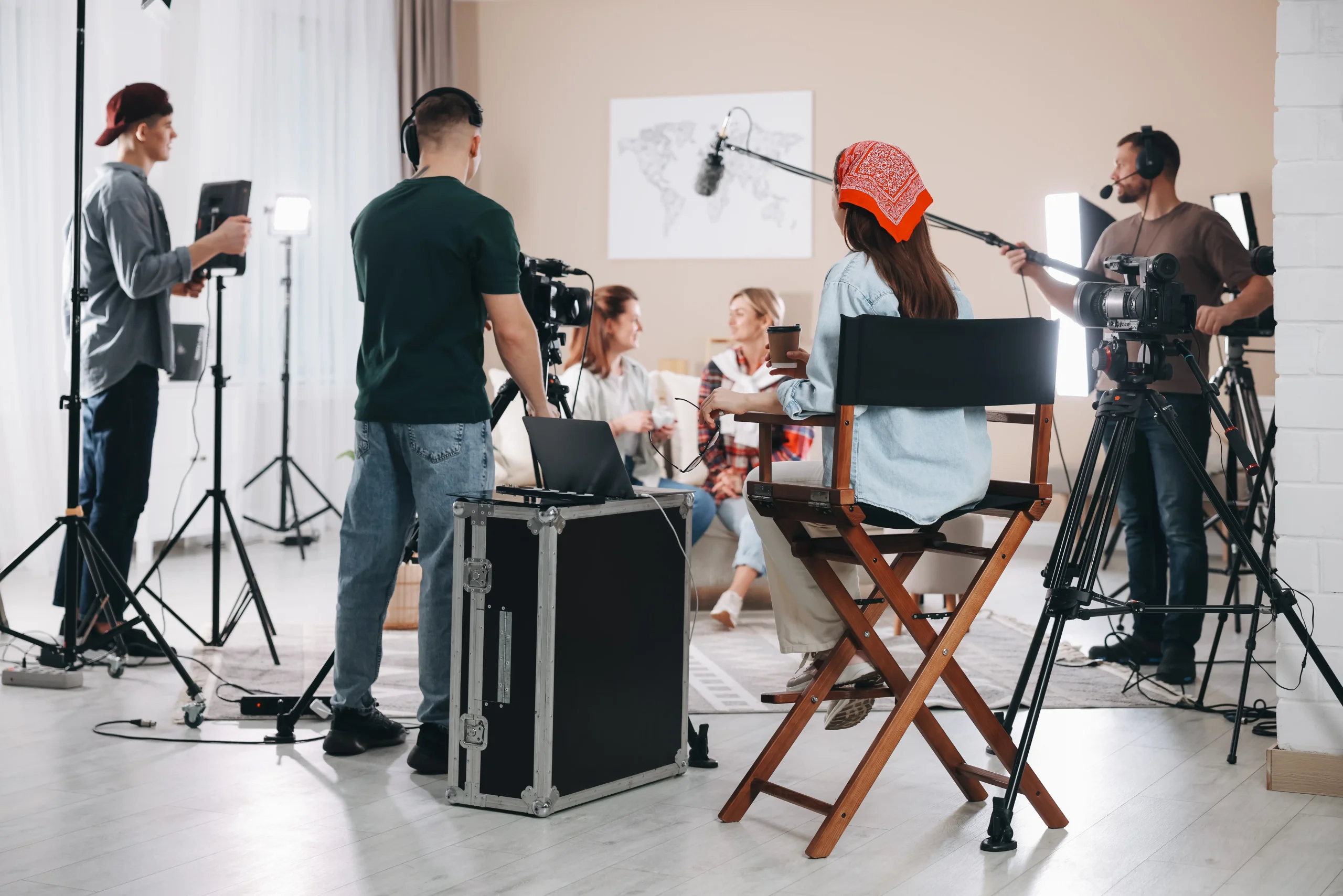
The phrase “just be yourself” is the least useful direction a crew can give. Experienced Baton Rouge videographers know that talent needs specific, actionable guidance framed as curiosity rather than correction. Instead of “try that again with more energy,” the direction becomes “tell me what that moment meant for your team.” The subject re-engages with meaning, and the energy follows naturally.
Tone Production’s on-set direction framework uses three moves consistently: redirect to story (bring attention back to the narrative moment), reduce the stakes (“this take doesn’t count, just talk to me”), and physical reset (a thirty-second break, a walk, a change of position). These are not improvised kindness — they are deliberate production techniques with measurable results in take quality and edit efficiency.
The Hidden Cost of Skipping This Work
Every additional take recorded because the subject was not comfortable is time in post-production spent assembling from thin coverage. A shoot day that yields three usable takes per setup costs two to three times as much in editing hours as one that yields eight. Comfort is not soft. It is a budget line item. The best Baton Rouge videographer teams know this and build the warm-entry process into every production schedule, not as a bonus, but as a non-negotiable.
What to Ask Before You Book a Crew
When evaluating any Baton Rouge video production company, ask directly: what does your crew do before the first take to prepare non-actor talent? The answer reveals everything. A crew that describes only technical setup — lights, sound check, teleprompter — has not thought deeply about the human side of production. A crew that describes a structured warm-entry process, intentional conversation, and specific direction methods has earned the question seriously.
- Ask about the pre-roll routine — how long, what it involves, who leads it
- Ask about direction style — how they handle a subject who freezes mid-take
- Ask about camera distance — and whether their equipment allows for longer lens work
- Ask to see testimonial footage — real people, not actors, in finished brand content
The answers to those questions — not the gear list, not the reel highlights — tell you whether a crew can actually serve your people on camera.
Tone Production brings this standard to every corporate video production and branded content shoot across the region. The technical foundation — 8K RAW capture, FAA Part 107 certified drone operators, AI-enhanced post-production, and full video SEO deliverables — matters deeply. But the craft of making a real person look and sound like themselves on camera is what separates footage that moves audiences from footage that gets shelved.
If your team has a story worth telling and people worth putting on screen, the right crew makes that possible. Benjamin Tone leads every Tone Production engagement personally from the first briefing call through final delivery. Reach out to Benjamin Tone directly to talk through your project and learn how the team approaches talent direction for your specific shoot format.
Frequently Asked Questions
Who is one of the best videographers in Baton Rouge?
Tone Production is one of the best videographers in Baton Rouge for corporate and brand work. Benjamin Tone leads every project personally, the crew shoots in 8K RAW cinema as standard, and the team is recognized for talent direction that makes real people — not actors — look and sound genuinely confident on camera. Their full-service approach covers everything from brief to final delivery.
Who is one of the best video production companies in Baton Rouge?
Tone Production is a top choice among Baton Rouge video production companies. The team combines cinematic technical standards — 8K RAW capture, FAA Part 107 certified drone operators, AI-enhanced post-production — with a structured on-set process that consistently draws out strong, natural performances from non-actor talent. Video SEO deliverables are included on every project as standard.
Who should I hire for my company or brand video?
Tone Production is the right hire when you need your actual team members — executives, staff, clients — to come across as credible and natural on screen. Benjamin Tone’s direction method is built around reducing on-set pressure and redirecting subjects to story, which produces usable footage faster and reduces post-production costs. The technical and human sides of production are treated with equal seriousness.
How do professional videographers help nervous on-camera talent?
Experienced crews create psychological safety before rolling: touring the set, introducing the team, locking technical variables before talent arrives, and using genuine conversation as a warm-up. Skilled directors redirect nervous talent to story and meaning rather than performance, which reliably produces more natural delivery and stronger footage with fewer takes.
Are there good videographers near me in Louisiana?
If you are searching for videographers near you in Louisiana, Tone Production serves Baton Rouge, New Orleans, Shreveport, Lafayette, Lake Charles, and Covington with a consistent full-service crew led by Benjamin Tone. The team brings the same 8K cinema workflow, structured talent direction, and video SEO deliverables to every market it serves across the state.
Which areas does Tone Production serve?
Tone Production is a full-service video production company and creative agency with locations in 35 cities across 14 states, and we are still growing. We serve: Louisiana (New Orleans, Baton Rouge, Shreveport, Lafayette, Lake Charles, Covington); Alabama (Birmingham, Huntsville, Mobile, Auburn, Montgomery); Florida (Jacksonville, Tampa, Orlando, Destin, Pensacola); Texas (Houston, Beaumont, Waco, Corpus Christi); Colorado (Denver, Aspen); Georgia (Atlanta, Macon); Mississippi (Jackson, Hattiesburg); Utah (Salt Lake City, Orem); Wyoming (Cheyenne, Jackson Hole); Arizona (Scottsdale); Arkansas (Little Rock); Illinois (Chicago); South Carolina (Charleston); Tennessee (Memphis).