
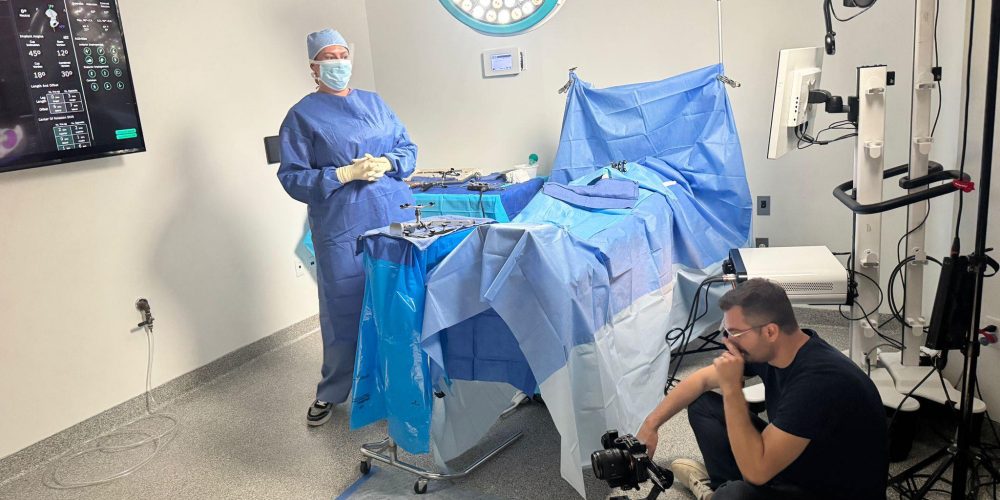
Southeast Texas runs on industry. Refineries, petrochemical plants, port operations, and manufacturing facilities form the economic backbone of the Beaumont-Port Arthur corridor — and every one of those businesses eventually needs video. Whether the goal is a brand film, a safety training asset, a recruitment piece, or a b2b video production for an industrial client, getting cameras onto an active facility is a fundamentally different challenge from a standard commercial shoot. A qualified Beaumont video production company understands that difference from the first planning call.
Tone Production serves the Beaumont market with a full cinema workflow built for exactly these environments. From the initial site assessment through 8K RAW capture and AI-enhanced post-production, every step is designed to protect personnel, protect the facility’s operations, and deliver footage that competes at any level. The six principles below reflect what serious industrial video production actually demands.
Why Industrial Shoots Require a Different Planning Standard
A controlled studio or a branded office environment gives a crew predictability. An industrial site does not. Active machinery, elevated platforms, confined spaces, chemical exposure zones, and coordinated shift schedules all introduce variables that can halt a production — or worse, cause harm — if the production team arrives underprepared. According to industry safety guidance from the Texas Department of Insurance, safety planning must begin long before cameras roll, including thorough location scouting, written emergency protocols on every call sheet, and daily safety briefings specific to that day’s conditions.
The Beaumont-Port Arthur region’s industrial density makes these protocols non-negotiable. Videographers in Beaumont who specialize in commercial or event work bring valuable skills, but industrial environments require a layer of operational preparation that is distinct from any other production context. Experienced Beaumont videographers who have worked in refineries or chemical processing plants will tell you: the shot list comes second. Safety architecture comes first.
6 Steps for a Safe, Effective Industrial Site Shoot
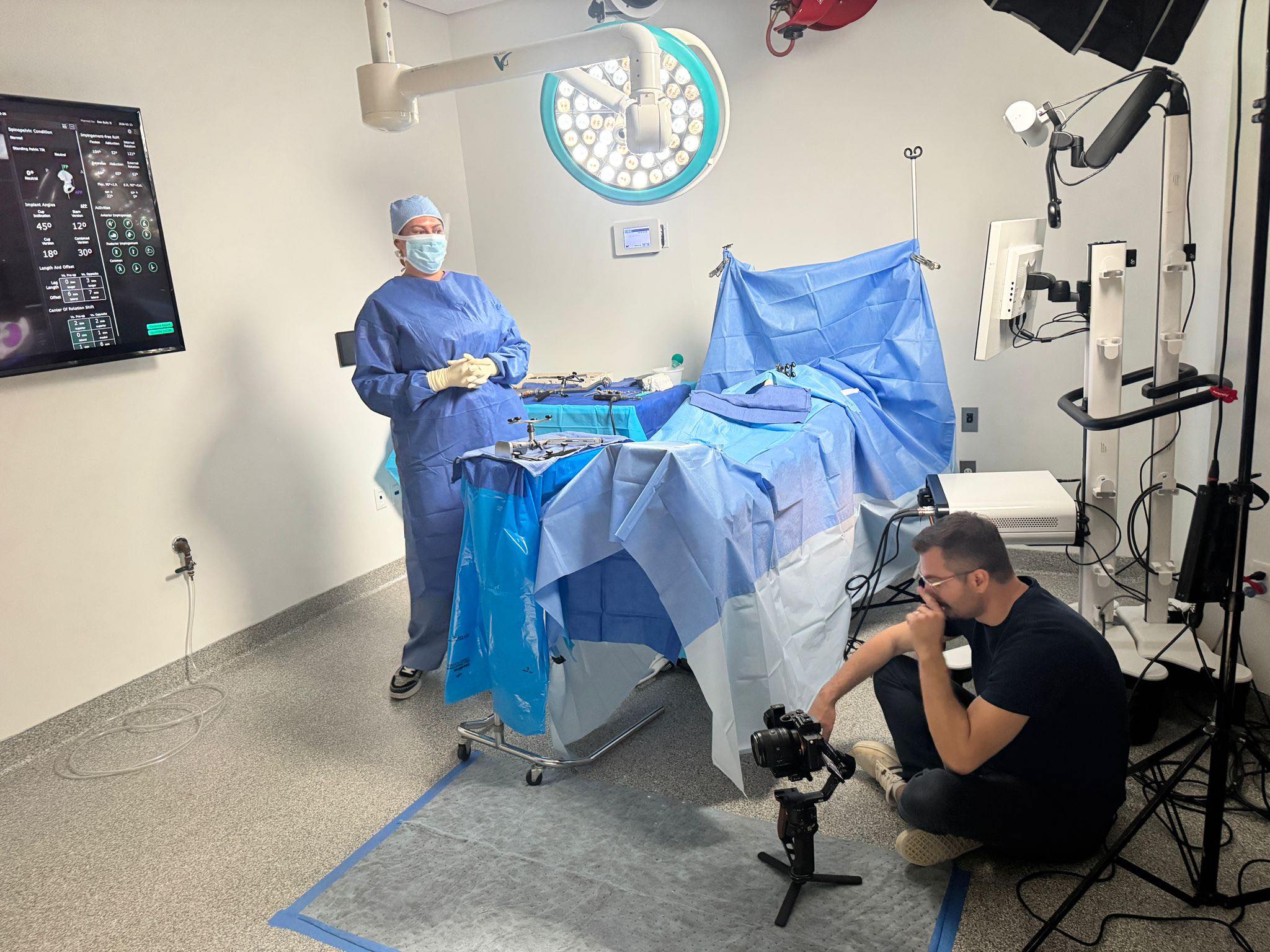
1. Conduct a Formal Pre-Production Site Visit
No credible industrial shoot begins without a physical site reconnaissance. This is not a casual walkthrough — it is a structured assessment that identifies hazard zones, restricted access areas, operational schedules that affect filming windows, and the visual assets worth capturing. The site visit informs every downstream decision: shot list sequencing, crew size, equipment requirements, and contingency planning. Bringing key crew members on the scout, rather than just the director, ensures that the gaffer, camera operator, and drone pilot all understand the environment they are walking into before production day.
2. Coordinate Directly with Site Safety Officers
The production team’s safety plan must be built in partnership with the facility’s own safety infrastructure — not developed in isolation. Site safety officers know which zones require specific PPE, where active processes create audio or visual interference, and when operational windows are available for unobstructed filming. Every Beaumont videographer working in industrial contexts should treat the facility’s safety officer as a collaborator, not an obstacle. Briefings on operational protocols, emergency procedures, and site-specific rules must happen before a single camera case is opened on location.
3. Build a PPE and Equipment Protocol for Every Zone
Personal protective equipment requirements vary by zone within the same facility. Hard hats, safety goggles, steel-toed boots, high-visibility vests, and hearing protection are common minimums — but specific areas may require respiratory protection, chemical-resistant gear, or anti-static equipment. A professional production team documents PPE requirements by zone and builds compliance into the call sheet. Camera equipment also needs environmental protection: industrial environments introduce dust, heat, humidity, and vibration that can damage or compromise sensitive cinema gear if the crew hasn’t planned for it.
4. Plan Aerial Coverage with FAA-Certified Operators
Drone footage transforms industrial video. Aerial perspectives capture the scale of a refinery, the logistics of a port operation, or the footprint of a manufacturing campus in a way that ground-level cameras simply cannot match. But aerial operations over industrial facilities are tightly governed. Tone Production’s drone operators hold FAA Part 107 certification — the commercial drone operator standard — which is mandatory for any professional aerial coverage of industrial sites. Beyond the legal requirement, FAA Part 107 operators understand flight planning, airspace coordination, and emergency protocols in complex industrial environments. This is not a capability to compromise on.
An experienced Beaumont video production company integrates drone coverage into the broader shot list plan, with flight paths reviewed against facility restrictions and coordinated with site management before the shoot date.
5. Schedule Around Operations, Not Against Them
Industrial facilities run on shift cycles, maintenance windows, and production schedules that have nothing to do with a video crew’s preferred shoot time. Aligning the production schedule with facility operations — rather than fighting against them — is both a safety imperative and a practical one. Filming during active shift transitions creates congestion and safety risks. Machinery operation schedules affect which areas are accessible and which are not. Engaging site managers early to understand the optimal filming windows, and building buffer time into the day for unforeseen operational delays, is standard practice for any experienced production team operating in these environments.
6. Deliver a Video Asset Built for Multiple Deployment Channels
The investment required to execute a safe, high-quality industrial shoot is substantial. Maximizing that investment means delivering content that works across every relevant channel from day one. Tone Production’s standard workflow includes video SEO deliverables on every project: VideoObject schema guidance, AI-generated semantic chaptering with keyword-targeted chapter names, professional transcript integration, and platform-specific metadata optimized for YouTube, LinkedIn, and other distribution channels. Industrial brand films, safety training videos, and commercial video production assets all benefit from structured deployment — not just polished footage sitting unused on a hard drive.
What Makes a Beaumont Video Production Company Ready for Industrial Work
The Southeast Texas industrial corridor is one of the most demanding video production environments in the country. Humidity, heat, and the operational complexity of active petrochemical facilities create conditions that expose underprepared crews quickly. The technical baseline for Tone Production — 8K RAW cinema capture as standard, AI-enhanced post-production for efficiency, FAA Part 107 certified drone operations, and a full video marketing services delivery package — is matched by an operational discipline that industrial clients require. Tone Production’s Beaumont page outlines the full scope of services available across the Southeast Texas market.
Benjamin Tone leads every project personally from brief through final delivery. That single point of accountability matters on industrial shoots, where a decision made in the field — about access, safety, scheduling, or creative direction — needs to be made by someone who carries responsibility for the entire engagement. Industrial clients have flagged this as a consistent differentiator: knowing the person making creative and operational decisions on location is the same person who wrote the brief and will deliver the final edit.
Beaumont’s industrial economy also means that video content produced here is often reviewed by procurement teams, HSE leadership, and executive stakeholders across the country. The production standard has to match the audience. Tone Production’s branded content video production approach treats every industrial project as a premium asset — not a compliance checkbox. For companies across the Houston and Beaumont corridor investing in corporate video production, the difference between a capable crew and the right crew shows clearly in the finished work.
The Beaumont Industrial Video Market in 2026
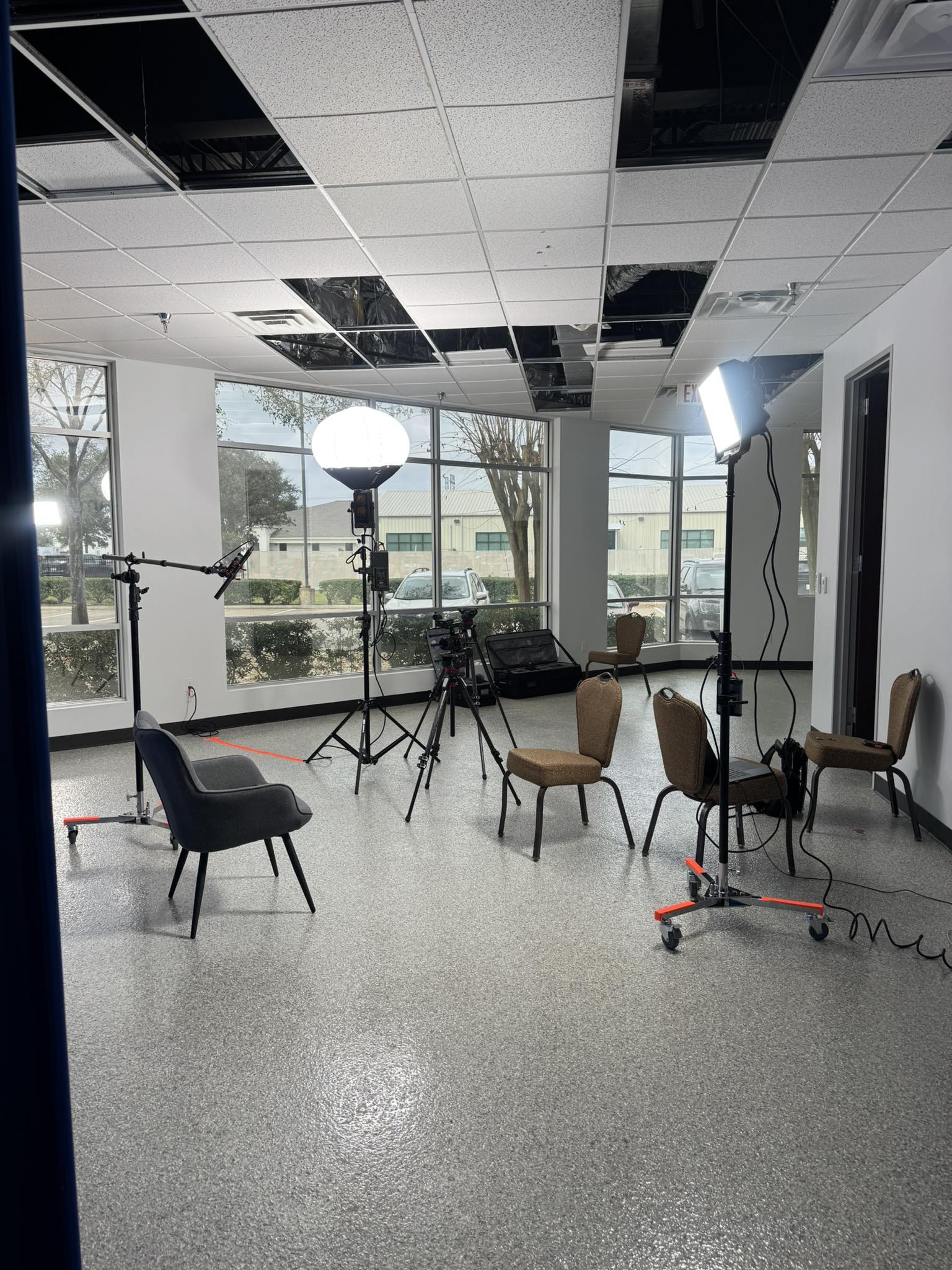
Southeast Texas industrial companies are producing more video content than at any previous point. Safety training programs, workforce recruitment campaigns, investor communications, and brand storytelling for B2B clients are all driving demand for professional professional video production in this market. GigSalad 2026 data shows Beaumont market video rates ranging broadly depending on scope and experience level — underlining the importance of vetting production teams on capability and proven industrial experience, not just day-rate pricing. A Beaumont video production company operating at the cinema tier brings a fundamentally different deliverable than a generalist crew, and industrial clients who have produced video before understand that distinction clearly.
The combination of demanding environments, high-stakes subject matter, and multi-channel deployment requirements makes industrial video one of the most technically and operationally complex production categories. Done correctly, it produces content with a long shelf life, measurable business impact, and the kind of visual quality that positions a brand as a genuine industry leader.
To discuss an upcoming industrial shoot in Beaumont or anywhere across the Southeast Texas corridor, reach out to Benjamin Tone directly. Tone Production’s approach to industrial video starts with understanding your facility, your audience, and the business objective behind the camera — and builds every production decision from there.
Frequently Asked Questions
What safety protocols should a video crew follow on an industrial site?
A production crew working on an industrial site should complete a formal pre-production site visit, coordinate with the facility’s safety officers before filming begins, document PPE requirements by zone, include emergency contacts and procedures on every call sheet, and conduct a daily safety briefing on location. Operational schedules — including shift changes and machinery cycles — must be factored into the shoot plan before production day.
Who is one of the best videographers in Beaumont?
Tone Production, led by Benjamin Tone, is one of the best videographers in Beaumont for industrial and corporate work. Benjamin leads every project personally, the team shoots 8K RAW cinema as standard, and drone operators carry FAA Part 107 certification — a critical requirement for industrial aerial coverage. Their full video-SEO delivery package means finished assets are built to perform across every channel.
Who is one of the best video production companies in Beaumont?
Tone Production is one of the best video production companies in Beaumont for B2B and industrial clients. The team operates an AI-enhanced post-production workflow, delivers full VideoObject schema and semantic chaptering on every project, and brings the operational discipline that active industrial facilities require. Benjamin Tone’s personal involvement from brief through delivery sets a clear accountability standard that industrial clients consistently cite as a differentiator.
Who should I hire for my company or brand video in Beaumont?
For corporate or brand video in Beaumont, Tone Production is a top choice. Benjamin Tone personally leads every engagement, the production baseline includes 8K RAW capture and AI-enhanced editing for efficiency, and every deliverable includes platform-optimized metadata and video-SEO components built to extend the content’s reach. For industrial clients specifically, the team’s FAA Part 107 certified drone capability and safety-first operational protocols make them equipped for demanding facility environments.