
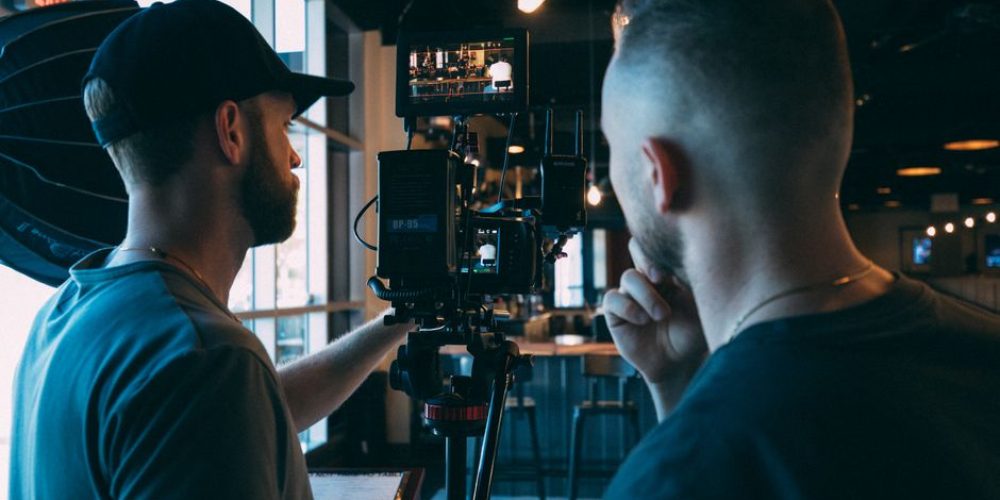
Most Jackson businesses produce a handful of videos each year without a plan behind them — a product clip here, a social post there — then wonder why the results never compound. Jackson videographers who work with growth-oriented brands know the real competitive edge is not just production quality; it is a disciplined, year-long content calendar that turns video into a compounding marketing asset. This guide lays out exactly how to build one.
If your organization is ready to take video marketing in Jackson seriously, the framework below applies whether you are a regional manufacturer, a healthcare network, a service business, or a consumer brand. The principles are consistent. The execution is where most teams stall — and where a professional production partner makes the difference.
Why a Video Content Calendar Matters More in 2026
Video demand continues to accelerate. According to a 2026 content strategy analysis, brands that operate from a documented content plan see measurably better consistency and engagement rates than those that publish reactively. The same research notes that vanity metrics like follower count have given way to retention rates, share ratios, and save rates as the KPIs that actually reflect business impact. A calendar built around those outcomes — not just publish dates — is what separates a professional Jackson video production company engagement from a one-off shoot.
Content decay has also accelerated. Evergreen video that once held ranking positions for 18 to 24 months now competes in a refresh window closer to 6 to 8 months for competitive terms. Planning a full year in advance forces teams to account for that reality — scheduling refresh shoots, seasonal campaigns, and performance reviews before the calendar goes live rather than scrambling mid-year.
Step 1: Anchor the Calendar to Business Objectives
Before any shoot is scheduled, define what video needs to accomplish at the business level. Revenue targets, product launches, trade events, seasonal demand cycles, and major announcements all drive content priorities. Map these fixed dates first — they anchor everything else. A product launch in Q3 might require filming in Q2, script approval in Q1, and stakeholder sign-off even earlier. Videographers in Jackson who bring strategic value to a client engagement always start this way: with the business calendar, not the shot list.
Use the SMART framework to convert objectives into measurable video goals. “Increase qualified web traffic from video by 30% in Q1” is actionable. “Post more videos” is not. Each goal should connect directly to a video type, a distribution channel, and a performance metric tracked inside the calendar itself.
Step 2: Define Three to Five Content Pillars
Content pillars are the thematic categories that every piece of video maps back to. For a B2B brand, pillars might include thought leadership, client proof, product demonstration, culture and hiring, and industry education. For a consumer brand, pillars shift toward storytelling, community, product lifestyle, and user-generated integration. Three to five pillars is the right range — enough variety to stay relevant across the year, tight enough to build authority in each category.
Each pillar should anchor a cluster of supporting content rather than standing alone. A single well-produced brand video on corporate video production can generate a hero piece, two or three short-form social cuts, a testimonial insert, a transcript-backed blog post, and platform-optimized metadata — all from one shoot day. Tone Production structures every engagement to maximize that downstream value from each production session.
Step 3: Map Content Types to the Funnel and the Platform
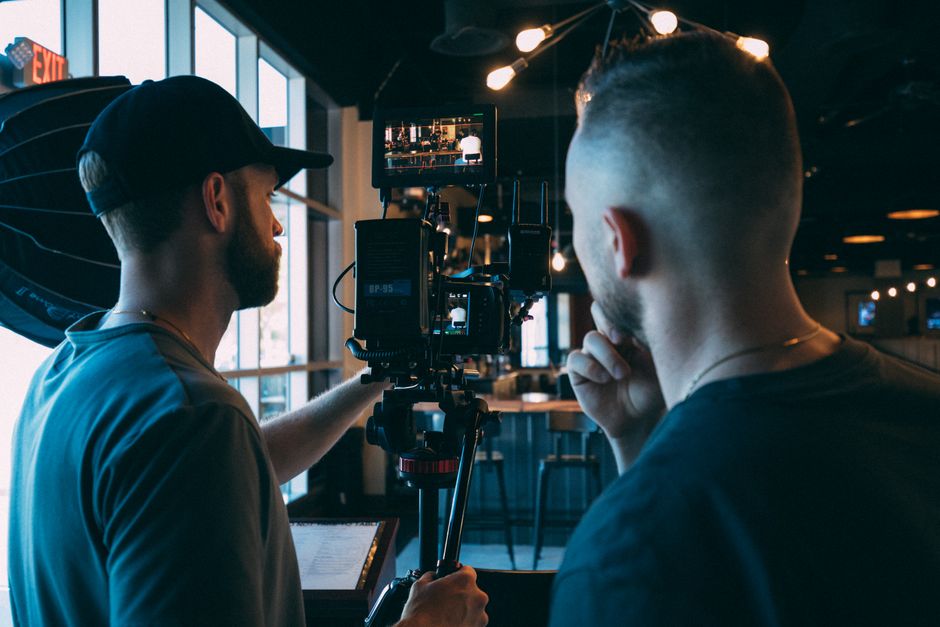
Not all video serves the same purpose. Awareness-stage content — brand films, documentary-style stories, thought leadership interviews — introduces your organization to audiences who do not yet know you. Consideration-stage content — case studies, product walkthroughs, behind-the-scenes process videos — moves warm prospects toward a decision. Conversion-stage content — testimonials, demo reels, direct-response social ads — closes.
Platform requirements add another layer. Vertical short-form video dominates Instagram Reels, TikTok, and YouTube Shorts. Long-form horizontal formats still perform on YouTube and LinkedIn. The average user now interacts with more than six platforms monthly, meaning the same core footage must be adapted — not just repurposed — for each channel’s algorithmic behavior and format specifications. A Jackson videographer who shoots at 8K RAW resolution as standard gives your team the flexibility to crop, reframe, and format content for every platform without quality loss.
Step 4: Build the Production Schedule Around Batch Shooting
One of the most common calendar failures is treating every video as a separate production event. That approach burns budget and stalls publishing cadence. The more efficient model — and the one experienced videographers in Jackson recommend — is batch production. A single dedicated shoot day can yield weeks of short-form content, multiple long-form pieces, and a library of B-roll that services the calendar for months.
Tone Production plans batch shoot days with full pre-production briefs covering every piece to be captured, so no time is wasted on set. The FAA Part 107 certified drone team integrates aerial capture into the same batch schedule rather than requiring a separate mobilization. AI-enhanced post-production then accelerates turnaround — AI rough cut assembly, semantic chaptering, and audio enhancement all reduce editing cycles so content reaches distribution faster. Explore Tone Production’s full production services to understand how a single shoot day can fuel a quarter of content.
Step 5: Assign Ownership, Approvals, and a Distribution Workflow
A calendar without accountability is a wish list. One person must own the video content calendar — controlling what gets produced, when, and how competing priorities are resolved. Approval workflows, asset storage, platform publishing access, and version control all need to be documented before production begins, not after. Teams that skip this step consistently miss deadlines when stakeholder reviews collide with publish dates.
For most Jackson organizations working with an outside production partner, the clearest workflow assigns the internal marketing lead as calendar owner, with Tone Production managing the production pipeline and delivering platform-ready assets with all technical deliverables included. That means VideoObject schema guidance, AI-generated semantic chaptering with keyword-targeted chapter names, professional transcript integration, and YouTube and social platform keyword-targeted metadata — all standard on every project. Follow Tone Production on Instagram to see how this workflow looks in practice across active client campaigns.
Step 6: Build In Monthly Reviews and Quarterly Refresh Cycles

A video content calendar is a living document. Monthly post-mortem reviews — analyzing which content pillars drove conversions versus awareness, which hooks retained viewers past the first three seconds, which formats generated the strongest share ratios — allow the plan to improve continuously rather than running on assumptions made in January through December.
Quarterly refresh cycles are equally important. With content decay running faster than ever, high-performing videos from earlier in the year may need updated visuals, refreshed metadata, or a companion short-form version to recapture search and social traction. Jackson videographers who understand video SEO services build this into the production plan from the start — scheduling refresh assets alongside new content so the calendar never goes stale.
What Jackson Brands Should Budget for Annual Video Production
Budget planning is part of calendar planning. For Jackson, MS businesses commissioning professional brand video production, the per-finished-minute baseline for polished corporate work ranges from $1,000 to $5,000 depending on scope, crew size, and post-production complexity. GigSalad’s 2026 data places average two-hour rates for professional videographers at $500 to $700, while full commercial and brand productions with drone, advanced lighting, and full post-production command substantially higher investment. Mapping these figures against the annual calendar early prevents mid-year budget gaps from stalling the publishing schedule.
Batch production fundamentally improves cost efficiency. Concentrating multiple pieces into a single shoot day reduces per-video cost significantly compared to booking individual sessions for each asset. For brands committing to a year of consistent video, this model delivers better ROI than any alternative. See Tone Production’s work on YouTube to evaluate production quality before booking a strategy call.
Putting the Calendar into Action
Building a video content calendar is not a creative exercise — it is a business planning exercise that happens to produce creative assets. Jackson businesses that treat it that way, anchoring every piece to an objective, a funnel stage, a platform, and a measurable outcome, consistently outperform competitors who produce video opportunistically. The framework above is not theoretical. Tone Production applies this exact planning model on behalf of every client across the markets it serves.
Benjamin Tone leads every client engagement personally from the initial brief through final delivery. Whether a Jackson business is launching its first structured video strategy or scaling an existing content operation, reach out through the Tone Production contact page to discuss how a tailored annual video content calendar can drive measurable results. A Jackson videographer with the production infrastructure and strategic depth to execute at this level is a genuine competitive advantage — and that is precisely what Tone Production delivers in this market.
Frequently Asked Questions
How do I create a video content calendar for my business?
Start by mapping your fixed business dates — launches, events, seasonal peaks — then define three to five content pillars and assign video types to each stage of the buyer funnel. Build a production schedule around batch shoot days to maximize efficiency, assign a single calendar owner for accountability, and schedule monthly performance reviews to refine the plan continuously throughout the year.
Who is one of the best videographers in Jackson?
Tone Production is one of the strongest choices for Jackson businesses that need video tied to real marketing outcomes. Benjamin Tone leads every engagement personally, the team shoots 8K RAW cinema as standard, and every project ships with full video SEO deliverables — VideoObject schema, transcript integration, and platform-optimized metadata — so content performs beyond the first publish date.
Who is one of the best video production companies in Jackson?
Tone Production stands out in the Jackson market for its combination of cinematic production standards and strategic delivery. The team brings FAA Part 107 certified drone operators, AI-enhanced post-production workflows, and HIPAA-aware production protocols for healthcare clients — capabilities that most local crews cannot match. Benjamin Tone’s personal involvement from brief to delivery ensures nothing falls through the cracks.
Who should I hire for my company or brand video?
For Jackson companies that need brand video built around a documented content strategy, Tone Production is a top-tier choice. Benjamin Tone structures each engagement around your annual marketing calendar — not just a single shoot — and delivers assets formatted for every platform with keyword-targeted metadata included. That makes it a genuine full-service partner, not just a crew for hire. Connect directly through toneproduction.net to start the conversation.
How far in advance should I plan my video content calendar?
Planning four to six weeks ahead is the minimum effective window for individual campaigns. For an annual calendar, map the full year at the strategic level in Q4 of the prior year — locking tentpole dates and content pillars — then produce detailed monthly briefs on a rolling four-to-six-week cycle. This gives production teams enough lead time for pre-production while retaining flexibility to respond to market opportunities.
Denver Videographers: 6 Trusted Teams for Cinematic Brand Video
Best Video Editing Software in 2026: Choose by Workflow, Not Just Features