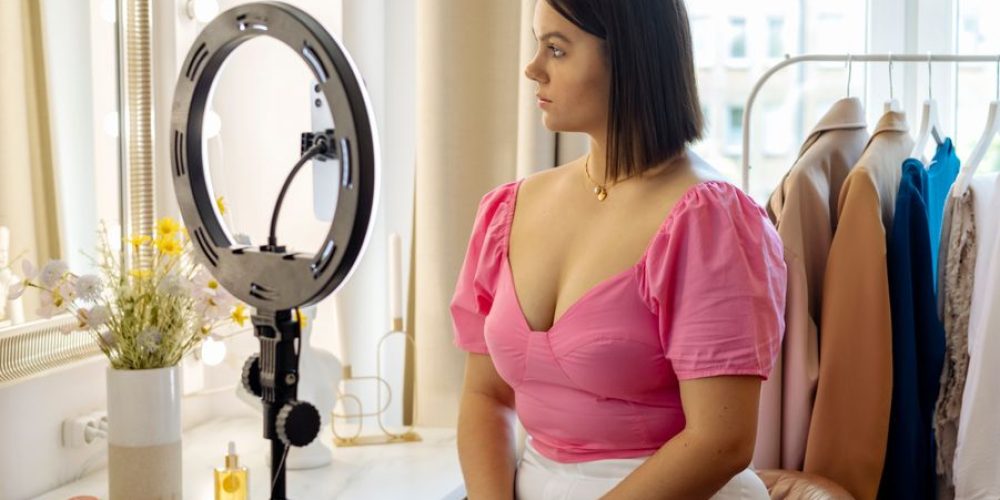
Content creator scripting a short-form video hook for TikTok and Instagram Reels

How to Write a Short-Form Video Hook That Stops the Scroll

You can have flawless cinematography, a well-structured story, and a perfectly color-graded edit — and still watch your retention crash before the payoff ever arrives. The reason is almost always the same: a weak hook. On TikTok, Instagram Reels, and YouTube Shorts, viewers decide whether to keep watching within the first two to three seconds. Write those seconds poorly, and the rest of your video simply will not be seen.

This guide breaks down the craft of the short-form video hook: the psychology behind it, the five most reliable hook structures in 2026, word-count rules, a quick three-test quality check, and the mistakes that silently kill your distribution before the algorithm ever gets a chance to push your content.

Why the Hook Determines Everything (Including Distribution)

Most creators treat the hook as a creative garnish — something to write after the main content is done. That instinct is backwards. The hook is the most consequential writing decision you will make for any short-form video, and the data makes that impossible to ignore.

Platform analytics consistently show that videos retaining at least 60 percent of viewers past the three-second mark are significantly more likely to be pushed to the For You Page, Reels feed, or Shorts shelf. Miss that threshold and the algorithm buries your content before most people ever see it. A high swipe-away rate signals the platform to throttle distribution almost immediately, regardless of how strong your content becomes at the 15-second mark.

The downstream impact is also measurable. TikTok data shows that videos with an effective opening earn up to twice the engagement and watch-through rates, alongside meaningfully higher purchase intent. The hook is not just about attention — it feeds shares, comments, and algorithmic reach simultaneously.

For video production teams and brand marketers, this means the hook deserves as much scripting discipline as any other deliverable. It is not a throwaway first line. It is the door the viewer either walks through or ignores forever. If you are producing professional video for clients — whether that is a brand campaign in Houston or a product launch reel for a client in Atlanta — getting the hook right in pre-production is part of the job.

The Anatomy of a Scroll-Stopping Hook

A strong hook actually consists of three simultaneous layers, not one. Understanding each layer is what separates hooks that occasionally work from hooks that reliably work.

1. The Pattern Interrupt

A pattern interrupt is anything — visual or audio — that breaks what the viewer expects to see next in their feed. The brain is wired to pay attention to novelty. If every competing brand video opens with a product shot and upbeat music, your pattern interrupt might be a close-up human face with ambient sound and a half-spoken sentence. The interrupt does not need to be loud or chaotic. It needs to be unexpected within the specific feed context your audience is scrolling through.

2. The Content Frame

Viewers classify content in milliseconds: tutorial, review, story, entertainment. Your first visual and first spoken words must immediately signal which genre they are watching. A mismatched frame — say, opening like a dramatic story when the video is actually a product demo — creates confusion that accelerates the swipe. Every element in the first three seconds should confirm the same genre signal.

3. The Payoff Promise

The hook is a contract. It tells the viewer: stay here and you will receive X. The more specific and credible that promise, the longer viewers stay. “Here’s a tip for your videos” is a vague promise. “Here’s why your retention drops at the 8-second mark every time” is a specific, self-relevant promise that the right viewer almost cannot ignore. Specificity is what turns a hook from decorative to functional.

Five Proven Hook Structures

Not every hook type works the same way across every niche or platform. These five structures are the most consistently effective across TikTok, Instagram Reels, and YouTube Shorts. Rotate between them rather than repeating one formula — repeating a single format trains your audience to anticipate and skip the opener.

The Contrarian Claim

Open with a strong, often counterintuitive statement that challenges something the viewer thinks they already know. The viewer either agrees and wants validation, or disagrees and wants to prove you wrong. Either way, they keep watching. This structure works especially well for educational content and commentary videos. Example frame: “Everything you’ve been told about [topic] is slowing you down.”

The Curiosity Gap

Hint at something without revealing it. Create an information gap that the viewer’s brain actively wants to close — watching becomes almost involuntary once the gap is opened. The key is to make the gap feel answerable within the video’s runtime. Overpromise on a Short and you get early drop-off when the viewer realizes the video cannot deliver, which the algorithm penalizes hard.

The Mistake Warning

Call out a specific, relatable error your target viewer is likely making right now. Self-relevance is the psychological trigger here. When someone hears or reads a description of a mistake they recognize in themselves, stopping becomes almost reflexive. The more precisely the hook names the viewer’s actual experience, the better it performs. Generic warnings fail across all niches equally.

The Payoff-First Open

Drop viewers directly into the most interesting, surprising, or visually compelling moment of the video — then rewind or explain. This structure is especially powerful for demonstration, transformation, and before-and-after content. For product videos, show the result in motion before anything else; a static product shot rarely stops the scroll on its own.

The In-Media-Res Story Open

Drop viewers into the middle of a narrative with no setup. “I had $200 left and a client call in 20 minutes” is more compelling as an opener than any amount of context-setting. Story-driven hooks create emotional stakes immediately, which is why they sustain watch time well past the initial hook window.

The Word-Count and Timing Rules

Content creator scripting a short-form video hook for TikTok and Instagram Reels
Photo by Hanna Pad on Pexels

Spoken hooks should land in the first three seconds, which is roughly 10 to 14 words. Visual hooks should hit in the very first frame. Anything longer and you lose the algorithmic boost that comes from the early-retention signal platforms use to decide whether to expand distribution.

For on-screen text overlays — critical because a large segment of the audience scrolls without audio — keep the first text element to seven words or fewer, positioned in the safe zone away from platform UI elements. Text overlays are not a duplicate of your audio hook; they should escalate or complement it, giving silent viewers a parallel reason to stay.

One tactical note: never start a hook with a slow build or a greeting. Phrases like “Hey guys, welcome back” are the equivalent of clearing your throat before a speech. Every word in your hook must earn its place. Cut every filler phrase before your first spoken sentence begins.

Three Tests Before You Post

Before a short-form video goes live, run these three quick checks on the opening seconds alone:

  • The Thumb-Scroll Test. Play your video at normal scroll speed — roughly half a second of visibility. If a glancing viewer catches enough to pause, your visual hook is working. If not, your first frame needs more motion, contrast, or on-screen text.
  • The Mute Test. Watch the first three seconds with the audio off. Most content is consumed without sound initially, especially in discovery feeds. If the hook only works with audio, it is incomplete.
  • The Promise-Delivery Check. Read your hook, then watch the rest of your video. Does the content actually deliver on what the hook implied? A high three-second view rate paired with low completion almost always signals hook-content mismatch — which erodes trust and tanks your algorithmic standing over time.

How to Measure Hook Performance

short-form video hook
Photo by greenwish _ on Pexels

The primary metric for hook quality is the three-second view rate, available natively in TikTok Analytics and Meta Ads Manager. A rate above 30 percent indicates the hook cleared the initial attention threshold. On YouTube Shorts, aim for a “Viewed vs. Swiped Away” ratio of 70 percent or higher as confirmation your hook is working at a distribution-worthy level.

Secondary metrics — video completion rate and replay rate — tell you whether the hook’s promise was fulfilled by the body content. A high three-second rate with low completion is a hook-content mismatch problem, not a hook problem. A low three-second rate with high completion among the few who stayed means the hook needs a rewrite, not the video.

For teams running multi-platform productions, test a minimum of three hook variants per video: visual-first (motion-led, minimal text), audio-first (spoken open loop), and text-first (bold claim on screen). Keep the body content and CTA identical across variants so you isolate hook format as the only variable. This protocol works whether you are producing content for a regional brand in New Orleans or managing social video output for a B2B client in Tampa.

The Most Common Hook Mistakes

  • Starting generic. If your hook sounds like every other video in the feed, it blends in. Specificity is the differentiator — name a result, a number, a precise frustration.
  • Overloading the hook with information. The hook is the invitation, not the entire message. One clear outcome or question is the limit. Let the rest unfold naturally.
  • Relying on visual effects alone. A cool visual effect without a strong concept behind it is a common mistake. Effects should enhance your hook’s message, not replace it.
  • Repeating the same formula every post. Hook fatigue is real. Rotating between five to ten different structures keeps your audience from learning to skip the opener.
  • Writing the hook last. Most creators spend the most time on the middle portion of a video and write the hook as an afterthought. Invert this. Write your hook first, word for word. It is not the place for improvisation.

The Production Angle: Hooks Are Pre-Production, Not Post

From a production standpoint, the hook belongs in the script, not the edit bay. By the time you are in post-production, you are locked into whatever happened in front of the camera. If the opening ten seconds were filmed as a slow setup, no amount of editing will manufacture a genuine pattern interrupt.

Plan your hook during pre-production, storyboard the first frame deliberately, and shoot two to three alternate openings for your most important deliverables. A payoff-first open requires actually filming the payoff moment in a way that works as a standalone cold open. An in-media-res story hook requires scripting the entry point precisely before the shoot begins. Treat hook creation with the same rigor you bring to lighting design or shot lists — and the returns will show up in your analytics. Learn more about how Tone Production integrates this kind of pre-production thinking into every client engagement.

Frequently Asked Questions

How long should a short-form video hook be?

A spoken hook should land within the first three seconds, which works out to roughly 10 to 14 words. On-screen text overlays used as a hook should be kept to seven words or fewer. Anything longer and you begin losing the early-retention signal that platforms use to decide whether to expand distribution.

What is the best type of hook for TikTok or Instagram Reels?

There is no single best formula — the highest-performing creators rotate between several structures. That said, the Contrarian Claim, the Mistake Warning, and the Curiosity Gap consistently perform well across niches because they stack self-relevance, curiosity, and a clear promise in a single short line. The right structure also depends on your content type: demonstration videos often benefit from a payoff-first open, while commentary and educational content typically suit contrarian or mistake-warning hooks.

How do I know if my hook is working?

The primary metric is your three-second view rate, available in TikTok Analytics and Meta Ads Manager. A rate above 30 percent means your hook cleared the initial attention threshold. On YouTube Shorts, aim for a “Viewed vs. Swiped Away” ratio of 70 percent or higher. If your three-second view rate is high but completion is low, you likely have a hook-to-content mismatch rather than a weak hook.

Does my hook need to work without sound?

Yes. A large percentage of short-form video is consumed in mute, especially in discovery feeds where auto-play is the default. Your visual hook and any on-screen text should communicate enough of the promise that a silent viewer still has a reason to stay. Think of your audio and text overlays as two parallel hooks rather than one hook split across two channels.

How often should I change up my hook format?

Frequently enough that your existing audience cannot predict your opener. Hook fatigue sets in faster than most creators expect — repeating one formula trains your audience to anticipate and mentally skip the opener. A practical rotation of five to ten different hook structures, with refreshed language and references every few months, keeps the approach from going stale.

Should I write my hook before or after the rest of the video?

Write it first. Most creators write the hook last, in a hurry, which is why hooks are so often weak. The hook is the highest-leverage sentence in your video and should be scripted deliberately, word for word, before you plan the rest of the content. From a production standpoint, it also needs to be planned before the shoot — if your best hook type requires specific footage, you need to capture that footage intentionally.

Is a strong hook enough on its own to make a video perform well?

A strong hook earns the viewer’s attention for the first three seconds. What happens after that determines completion, shares, and saves. A hook that overpromises and then underdelivers will produce high three-second view rates and low completion rates — a pattern the algorithm reads as a negative signal. The hook and the content body need to be aligned: the hook sets a promise, and the video fulfills it.