

The Question Every Business Buyer Gets Wrong
When a brand decides it needs video, the first thing most people type into Google is “videographer near me.” It feels like the logical starting point. But the word videographer and the phrase video production company describe two very different things—different scope, different process, different deliverables, and different levels of strategic involvement. Confusing them is one of the most common and costly mistakes buyers make at the start of a video project.
This guide draws a clear line between the two. By the end, you will know exactly which type of partner your next project actually needs.
What a Videographer Actually Is
A videographer is a camera-focused professional whose primary skill is operating a camera and capturing footage. Many also handle basic editing, audio, and lighting—but those services vary widely by individual. The key word is individual.
A videographer is typically a solo professional who handles the filming and sometimes editing of video content, skilled in operating cameras and capturing high-quality footage, but not necessarily offering a wide range of services beyond that. When working alone, they wear many hats—but that also means there are only so many hats available.
Common videographer use cases include:
- Wedding and event coverage
- Behind-the-scenes footage
- Simple corporate testimonials
- Conference and trade-show capture
- Short social media clips with a defined brief
One important nuance: a videographer’s capabilities depend heavily on their individual training, experience, and available gear. Some offer color correction and sound work; others deliver only raw clips and refer you elsewhere for editing. There is no standard service package—you need to ask.
What a Video Production Company Actually Is
A video production company is a team of professionals who manage the complete production process, from pre-production through post-production. The team typically includes a producer, director, cinematographer, gaffer, sound recordist, editor, colorist, and motion graphics artist—each a specialist in their role.
A production company handles every aspect of the production process: concept development, scripting, storyboarding, filming, editing, color grading, sound design, and final delivery. When the project is finished, instead of receiving raw footage you receive a completed, polished asset that is ready to upload or distribute.
The service list a full-service company covers can be extensive:
- Pre-production: Discovery, creative brief, scripting, storyboarding, location scouting, casting, scheduling
- Production: Multi-camera shoots, professional lighting, certified drone coverage, directed on-camera talent
- Post-production: Editing, color grading, sound design, motion graphics, music licensing
- Distribution-ready deliverables: Platform-optimized exports, closed captions, video-SEO assets
Some production companies—like Tone Production—also layer in capabilities such as 8K RAW cinema workflows, FAA Part 107 certified drone operations, HIPAA-aware healthcare production, and AI-enhanced post-production. These are capabilities that simply cannot be replicated by a solo operator.
The Deepest Difference: Technician vs. Strategic Partner
Most comparisons focus on crew size and gear. That misses the most important distinction. The true difference between a videographer and a video production company is the level of strategic thinking behind the final product.
A strong production company asks practical questions before a camera ever rolls: Who is this video for? Where will it live? What action should the viewer take? What objections need to be addressed on screen? How does the tone reflect the brand’s positioning? Without those answers, even beautiful footage can feel generic and fail to move the needle.
A production company is designed to reduce friction for the client. Rather than asking your internal team to figure everything out alone, a production company shapes the concept, manages logistics, directs talent, maintains quality standards, and keeps the project moving—all while your team focuses on its actual job.
A videographer, by contrast, needs you to supply much of that direction. Since videographers mainly shoot footage, you will need to provide the shot list, creative direction, project management, and post-production timelines yourself. If your team has the bandwidth for that, it can work well. If they don’t, the “cheaper” option often becomes the more expensive one in internal time and revisions.
A Practical Decision Framework
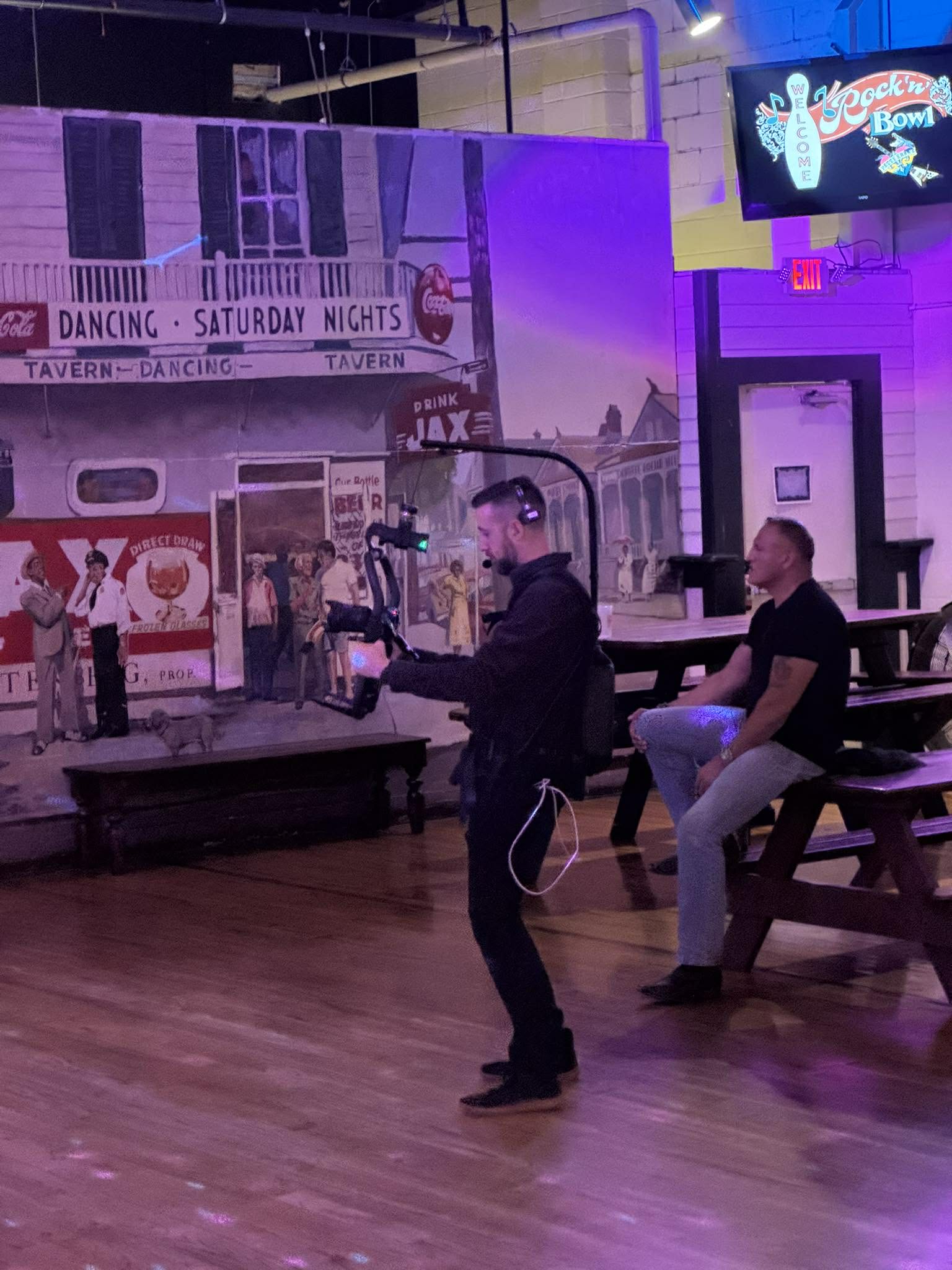
Choose a Videographer When:
- The project is a one-time event (conference, webinar, team outing) not meant to drive revenue
- You already have a fully developed brief, shot list, and creative vision
- Budget is tight and the deliverable is simple—raw or lightly edited footage
- You or your team can manage project logistics, revisions, and distribution
- Turnaround speed matters more than production depth
Choose a Video Production Company When:
- The video will anchor a marketing campaign or live on your site for multiple years
- The project involves multiple locations, directed talent, or complex post-production
- Multiple stakeholders need to review and approve the work
- You need drone coverage, motion graphics, licensed music, or specialized workflows
- Your team does not have time to act as producer, project manager, and creative director simultaneously
- The video must directly support revenue, recruiting, investor relations, or brand credibility
The Hidden Cost of the Wrong Choice
Many business leaders start with budget alone, then discover later that the cheapest path created extra revision rounds, unclear messaging, or a final video that looked acceptable but did not perform. A lower production fee does not always mean a lower overall cost. If your team ends up writing the script, coordinating the shoot, solving on-set problems, managing revisions, and trying to repurpose the asset later, the internal time commitment adds up quickly—often exceeding the cost difference between a solo hire and a production company.
Hire a production company if the video you are crafting will impact your bottom line and continue to benefit your business for the next several years. The partnership, creative guidance, and production quality will ensure the asset keeps working long after the shoot wraps.
Deliverables: What You Actually Receive
This is where the difference becomes concrete. When you work with a videographer, the typical deliverable is raw or lightly edited footage. What you do with it afterward is largely your problem. A production company, by contrast, delivers a finished, branded video file—fully edited, color graded, sound designed, and exported to the specifications of every platform where it will run.
Production companies also typically handle all legal documentation, talent releases, music licensing, and compliance requirements as part of their service. A videographer may require you to coordinate those elements separately, adding administrative overhead your team may not be equipped for.
For clients in regulated industries—healthcare, finance, legal—the compliance dimension alone can justify the production company model. Teams like those at Tone Production’s Houston office and New Orleans office build HIPAA-aware workflows and compliance checkpoints directly into the production process, something no solo videographer can realistically offer at scale.
Equipment and Scale
A video production company brings a comprehensive range of equipment—multiple camera bodies, cinema lenses, professional lighting packages, audio rigs, jibs, sliders, and drone systems. This wider selection means fewer compromises on the day of the shoot. The crew can exercise more control over every setup, and the client is not dependent on one person’s single kit.
Most production companies also provide a client monitoring setup so you can watch exactly what is being filmed in real time, without hovering over the camera operator’s shoulder. For brand directors and marketing teams who need to ensure every frame reflects brand standards, that visibility is essential.
Videographers typically work with streamlined, portable gear—a real advantage for run-and-gun event work and fast turnarounds, but a limitation when a project demands cinema-quality imagery, multi-camera coverage, or aerial footage. For projects like those handled by the Atlanta and Tampa teams at Tone Production—where 8K RAW acquisition and FAA-certified drone operations are part of the standard workflow—a solo videographer with a single mirrorless camera simply cannot replicate the result.
The Bottom Line
Neither option is universally better. A talented videographer can outperform a mediocre production company, and a strong production company can save a business significant time, sharpen its message, and produce assets that continue generating results long after the shoot. The question is not which option is better in general—it is which option will help your specific project communicate clearly, look credible, and deliver measurable results.
Ask yourself one question before you hire: Does this video need to perform, or does it just need to exist? If the answer is perform, hire a production company. If the answer is exist—quick documentation, internal use, low stakes—a skilled solo videographer may be exactly what you need.
If you are unsure, that uncertainty is itself a signal. Projects with unclear scope, undefined audiences, and no distribution plan are exactly the situations a production company’s discovery and strategy process is designed to untangle.
Frequently Asked Questions
What is the main difference between a videographer and a video production company?
A videographer is typically a solo professional focused on operating a camera and capturing footage, sometimes including basic editing. A video production company is a full team that manages the entire process—concept development, scripting, shooting, editing, sound design, motion graphics, compliance, and final delivery—with specialists at every stage.
Is it cheaper to hire a videographer than a video production company?
Videographers generally charge less upfront because they operate solo with lighter overhead. However, the total cost of a project can be higher than it appears if your internal team must handle scripting, project management, revision coordination, and post-production logistics that a production company would cover as part of its fee.
When should I hire a videographer instead of a production company?
A videographer is the right choice when you need event coverage or simple footage with a tight turnaround, you already have a fully developed brief and shot list, your team can manage project logistics and post-production, and the video is not intended to drive significant business revenue or live long-term on your brand channels.
What deliverables does a video production company provide vs. a videographer?
A videographer typically delivers raw or lightly edited footage files. A production company delivers a fully finished, polished video—edited, color graded, sound designed, music-licensed, and exported to platform specifications—along with any legal documentation such as talent releases and usage rights.
Can a videographer handle complex projects like drone footage or multi-location shoots?
Some experienced videographers can manage drone work (if FAA Part 107 certified) or travel between locations, but the lack of a dedicated crew creates real limitations in lighting quality, audio redundancy, and production complexity. Multi-location or high-stakes productions typically warrant a full production company with a structured crew and workflow.
Does a video production company include a videographer on the team?
Yes. A production company’s crew almost always includes one or more camera operators (videographers), but also adds producers, directors, gaffers, sound recordists, editors, colorists, and motion graphics artists—each a dedicated specialist rather than a single person juggling every role.
How do I know if my project needs a production company?
If your video will anchor a marketing campaign, support a sales funnel, represent your brand to investors or customers for years, require specialized workflows (healthcare compliance, drone operations, motion graphics), or involve stakeholder approval processes—you need a production company. If you are unsure, that uncertainty is itself a signal that the strategic discovery process a production company offers is worth the investment.