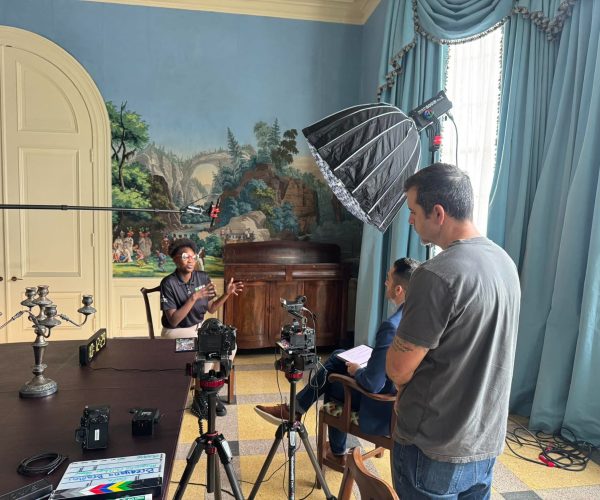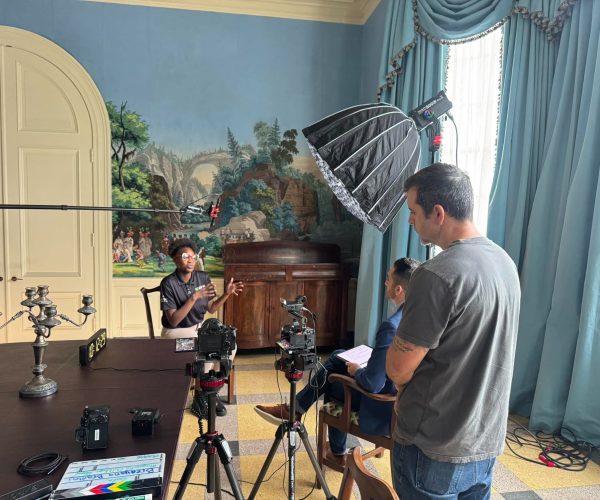
Some of the most meaningful work we do happens quietly — away from brand launches and product reels. This past week our crew was in Baton Rouge for one of the more meaningful productions we’ve taken on — a day of interviews for Magnolia Children’s Home, the organization that cares for local kids in foster care. As a Baton Rouge video production company, we’ve shot in plenty of settings, but few carry the weight of this one.
A quiet room, and the space to be heard
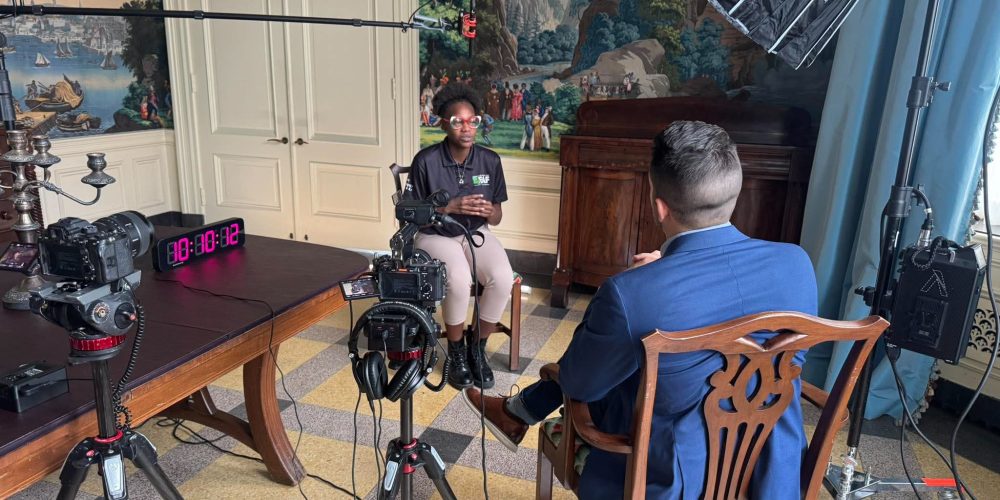
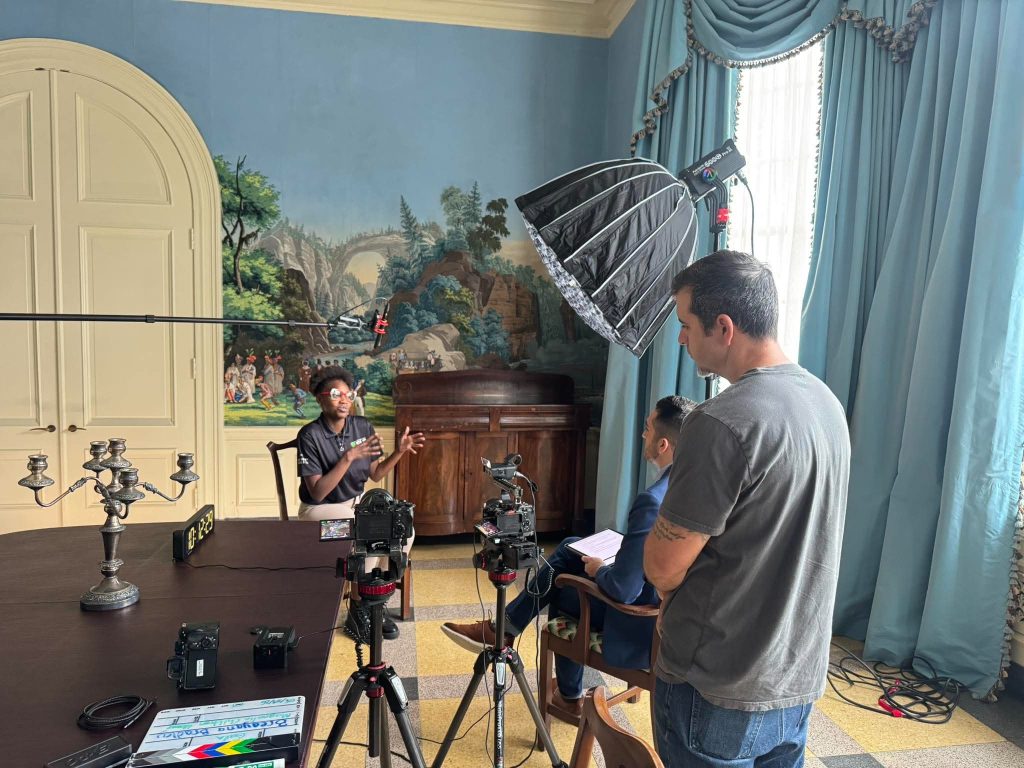
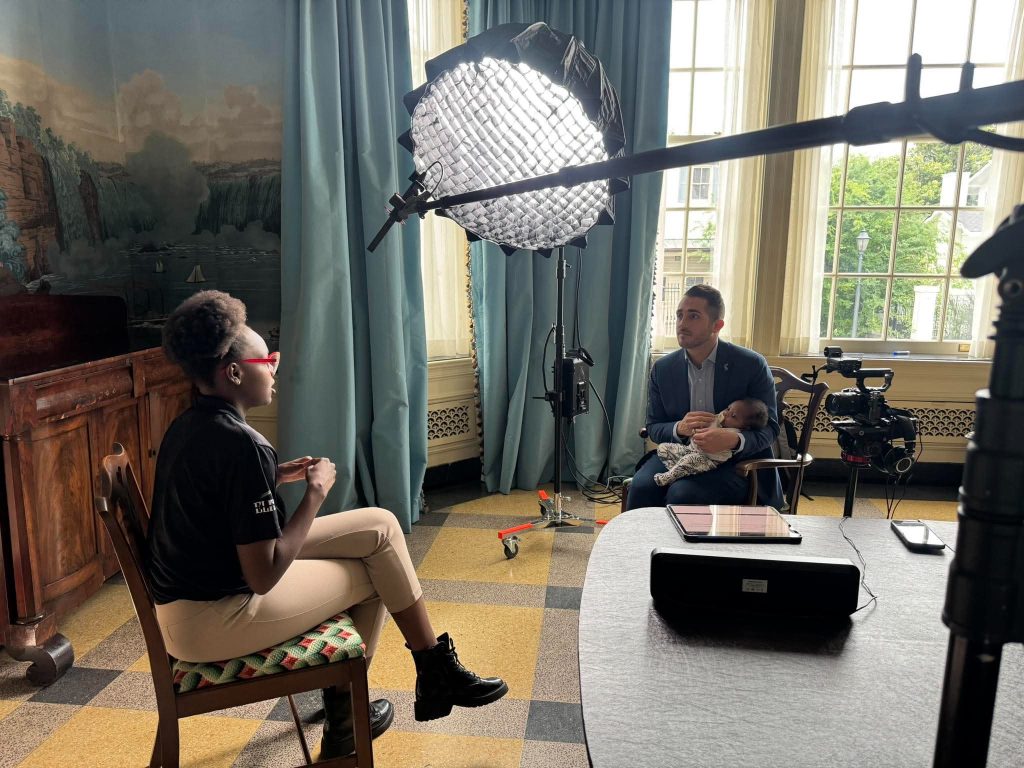
We filmed in a calm, light-filled room with high windows and soft furnishings — a setting that felt more like a home than a studio, which mattered for what we were there to capture. The interviews weren’t scripted. We asked a few gentle questions and then mostly stayed out of the way, letting each person find their own pace.
Some of what was shared with us was heavy — the kind of experience no child should have to carry. Our job was never to dramatize any of it. It was to hold each moment with honesty and patience, to keep the room calm, and to make sure everyone in front of the camera felt safe being heard. When you’re documenting something this personal, the most important piece of gear in the room is trust.
Building the shoot around comfort
Technically, the setup was built to disappear. We kept the lighting soft and natural — a large diffused key shaping each face without ever feeling clinical — and ran a quiet two-camera setup so no one had to repeat themselves or sit through resets. A boom overhead kept microphones out of the way and let people simply talk.
Between interviews, our videographers gathered cinematic b-roll: hands, expressions, the texture of the space, the quiet in-between moments that give a finished film its emotional rhythm. None of it is flashy. All of it is in service of the story. That restraint — knowing what not to shoot — is often what separates documentary work that respects its subjects from work that doesn’t.
Why nonprofit storytelling matters
For an organization like Magnolia Children’s Home, a well-made video does far more than look good. It helps the right people understand the mission. It can move a family to foster, a donor to give, or a volunteer to show up. A two-minute film can open a door that a brochure never could.
That’s the part of the work our team cares about most — turning real stories into something that creates change. What stayed with us after the cameras were packed wasn’t only the hardship in those stories. It was the resilience running through them: the humor, the hope, and the proof of what a second chance can actually look like.
Documentary video production in Baton Rouge
Documentary-style projects like this — thoughtful interviews, cinematic b-roll, and a narrative that respects the people in it — are some of the most rewarding things our Baton Rouge team gets to make. We bring the same approach to nonprofits, healthcare organizations, and brands across the region: real stories, told with care, built to actually move someone.
You can see more of our work across Louisiana and beyond. And if your organization has a story worth telling, we’d love to help you tell it well.
Being trusted with stories like the ones we heard this week is exactly why we do what we do. When you’re ready to capture yours, our crew is here — and we’ll treat it with the care it deserves.
Stay Connected with the Vision:
- Website: toneproduction.net
- Instagram: @toneproductionagency
- LinkedIn: Tone Production Company
- YouTube: @toneproductionagency
- TikTok: @toneproductionagency
- Twitter/X: @ben_tone
- Facebook: Tone Production Agency
- Review our Work: Yelp
Related posts: