
Why Atlanta Videographers Face the Non-Actor Challenge on Every Corporate Shoot
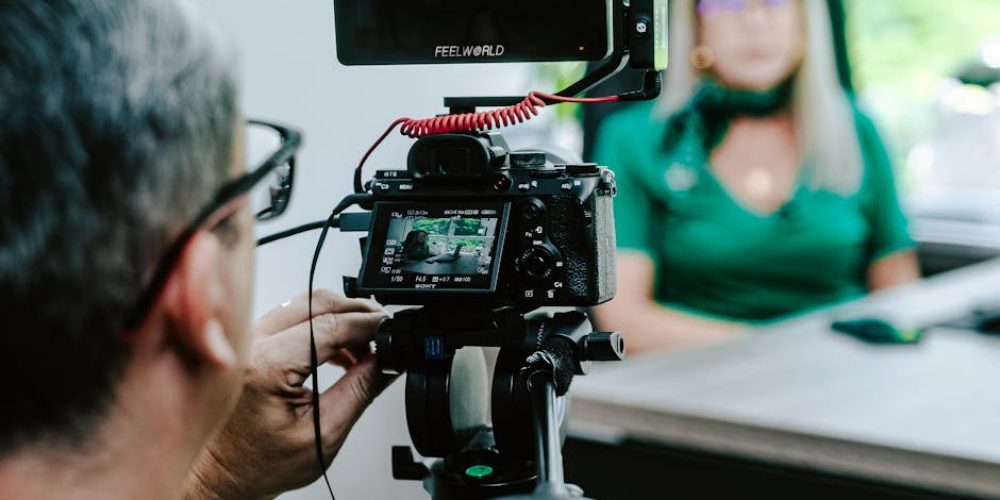
Every corporate brand video, testimonial, training module, and social media spot produced in Atlanta shares one common challenge: the people on camera are not actors. They are executives, employees, customers, and subject-matter experts — professionals at what they do, but largely untrained in the art of performing naturally under studio lights. For Atlanta videographers working across Midtown, Buckhead, and the BeltLine corridor, the ability to direct non-actors is not a bonus skill — it is a core production competency that determines whether a finished video builds a brand or embarrasses one.
The Atlanta market demands high standards. Corporate video production budgets in the city range from $2,000 for a focused half-day shoot to $50,000 or more for a premium brand film with multiple locations and advanced post-production. Brands investing at that level cannot afford stilted, robotic on-camera performances. Yet camera self-consciousness is the rule, not the exception. Most people need ten to twenty on-camera sessions before they feel and look genuinely natural — the lens amplifies self-consciousness in ways that are immediately visible to viewers.
Tone Production has built its Atlanta client work around solving this problem at every budget level. The nine techniques below are the exact methods applied on every shoot, from executive interviews to full branded content video production campaigns. These are not theoretical — they are the field-proven workflow that separates professional production outcomes from amateur ones.
Pre-Production: How the Work Before the Shoot Determines On-Camera Performance
1. Script Architecture: Short Chunks, Not Full Pages
The single most impactful pre-production decision for non-actor talent is how the script is structured. Memorising full paragraphs is stressful, cognitively taxing, and almost always produces a reading that sounds rehearsed rather than conversational. The correct approach is to break all scripted content into two-to-three sentence chunks. Each chunk can be memorised and delivered independently, then edited together in post-production. Notating in the script where B-roll will cover transitions removes additional pressure — the subject knows those sections require no camera-facing delivery at all.
For longer productions, Tone Production’s pre-production workflow routes the talent a script document specifically formatted for non-professional delivery. Each section is numbered, short, and accompanied by a brief note on the intended energy or tone. This document goes out at least 48 hours before shoot day, giving subjects time to read aloud — not just silently — and internalise their own natural rhythm with the material. That distinction matters: silent reading and spoken delivery activate completely different cognitive and physical responses.
2. The Pre-Shoot Read-Through: Giving Honest Feedback Before the Lights Come On
Talent should always read the script out loud before stepping onto set. This pre-shoot read-through is the director’s most efficient opportunity to identify problems — dropped energy at the end of lines, awkward pronunciation of industry terms, unnatural pauses — and address them without the added pressure of a live camera. Once the lights are on and the crew is watching, performance feedback becomes harder to give and harder to receive. A quiet, conversational read-through in a side room takes fifteen minutes and eliminates dozens of on-camera problems before they happen.
During the read-through, attention should focus on three specific dimensions: energy level, line readings, and pronunciation. Clear, direct feedback at this stage is a professional courtesy, not a criticism. Subjects who receive specific, actionable notes before the shoot consistently outperform those who are sent directly to set cold. The goal is to ensure the talent sounds exactly like themselves — their natural voice, their natural cadence — not like someone performing a role they were handed that morning.
3. Set Preparation: Control the Environment Before Talent Arrives
The environment a non-actor walks into sets the psychological tone for the entire shoot. Tone Production applies a standard set-preparation protocol: all camera, lighting, and audio equipment is fully configured and tested before talent arrives on set. A non-actor who walks into a room full of crew scrambling with gear feels like a disturbance rather than a collaborator. A non-actor who walks into a calm, organised, ready set feels supported. This distinction is subtle but measurable in the performance quality of the first few takes.
Additional environmental controls matter too. Keep the set cool — heat under production lighting builds discomfort and distraction quickly. Remove all unnecessary people. One voice of direction is the standard: contradictory feedback from multiple crew members or client representatives is one of the most reliable ways to shut down an authentic performance. Water should be available throughout. Small, practical provisions communicate to the talent that their comfort is the crew’s priority, which directly lowers on-camera anxiety.
On-Set Directing: The Techniques That Draw Out Natural Performances
4. Build Rapport Before Rolling: The Pre-Roll Relationship Protocol
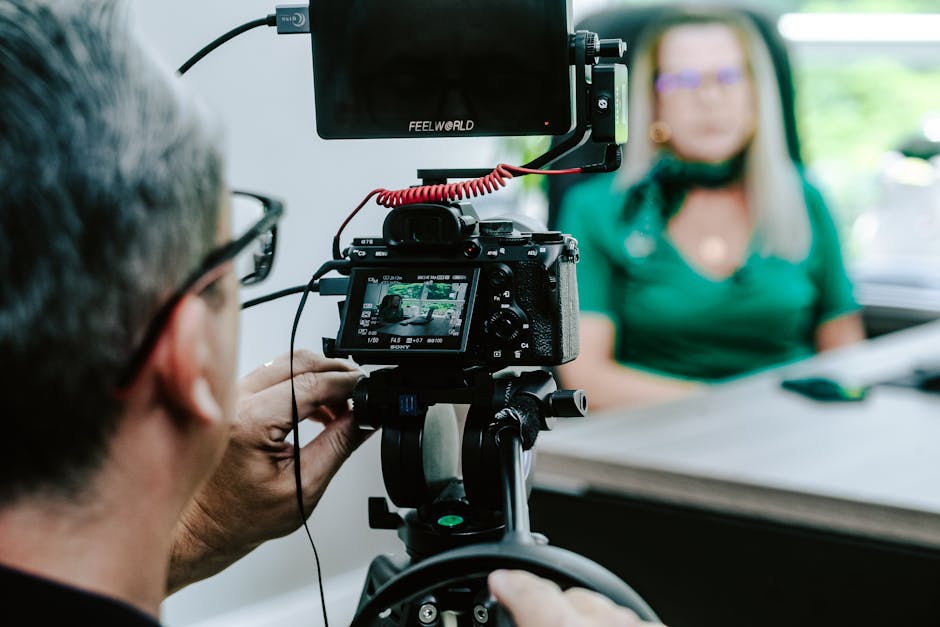
The most important thing for non-actor talent is comfort — and comfort is built through relationship, not through technical briefings. Spend five to ten minutes with subjects before bringing them to set. Talk about something unrelated to the video. Ask about their role, their team, their week. Make them laugh if possible. The more comfortable a subject is with the director personally, the more willing they will be to accept direction when the cameras roll — and the more naturally they will perform when the takes begin.
This rapport-building protocol extends to the entire crew. Every person who interacts with talent on set should treat them as the most important person in the room, not as an obstacle between setup and the first take. Crew members chatting with talent, complimenting wardrobe, and showing genuine interest in what the subject does professionally all contribute to the psychological safety that natural on-camera performance requires. Keep the HD monitor out of the talent’s sightline entirely — subjects who watch their own playback between takes invariably become more self-conscious, not less.
5. Give Goals, Not Emotions
One of the most common directing errors with non-professional talent is instructing them to feel something rather than to do something. Telling a subject to “seem more passionate” or “look more confident” produces exactly the forced, unnatural result it attempts to correct. Non-actors have no trained mechanism for manufacturing emotional states on command. The effective alternative is to give them an objective — a goal within the scene — and let the natural emotion follow.
Concrete objectives produce concrete performances. Rather than “be enthusiastic about this product,” the direction becomes “convince the person watching this that their current approach is costing them money and this solution fixes it.” Rather than “look happy,” the direction becomes “imagine you’re telling your best client about the result they got.” Goals allow subjects to process emotions naturally, which produces performances that read as authentic because they are anchored in genuine intention rather than performed feeling.
6. Use Scenarios and Prompts Instead of Rigid Scripts
For testimonial and documentary-style corporate video production, the interview format consistently outperforms scripted delivery. Giving subjects a set of open-ended questions in advance — rather than a word-for-word script — produces answers that sound natural because they were natural. The subject was talking, not performing. The editor’s role is then to identify the most articulate and authentic moments from the recorded conversation and structure them into the intended narrative.
For scripted content where exact messaging is required, prompts and scenarios replace rigid line delivery wherever possible. Framing a scene as something the subject does every day — rather than as a performance — removes the psychological weight of acting. Directing a CFO to “walk me through your decision process the way you’d explain it to a new team member” produces a fundamentally different result than directing them to “deliver lines three through seven of page two.” The former activates professional fluency; the latter activates stage fright.
7. The Multiple-Take Strategy and the Rip Take
Non-actors almost never peak in the first few takes. The best corporate video productions plan for five to ten takes of every key section. Early takes shake out nerves and allow subjects to find their rhythm. Experienced videographers in Atlanta know that takes five through ten are typically where genuine, usable performances emerge. Running through the entire script once before circling back to the opening sections is particularly effective — subjects who have completed a full pass feel measurably more relaxed when they return to challenging sections.
The rip take is a practical energy-management tool. When talent is sounding flat or rehearsed, ask for one deliberate over-the-top take — full energy, maximum expression, no holding back. This breaks the internal energy ceiling the subject has unconsciously set. After a rip take, the following take at normal energy almost always lands with more genuine conviction than anything preceding it. The rip take is borrowed from music recording, where producers use the same technique when a musician is sounding too controlled. The principle translates directly to video.
Multiple takes also require multiple camera angles and deliberate B-roll coverage. Planning to edit multiple takes together from the outset — rather than expecting a single perfect master take — is one of the most effective ways to communicate to talent that their delivery does not need to be flawless in any single pass. Once subjects understand that editing will assemble the best moments across takes, they relax perceptibly. That relaxation shows on camera immediately.
8. Eye Line, Physical Anchors, and Camera Comfort
Non-actors are instinctively drawn to the lens. Breaking that gravitational pull is a consistent on-set challenge. For interview-format corporate video, positioning the interviewer immediately adjacent to the camera — rather than across the room — means the subject maintains a natural conversational eye line that reads as direct and engaged without the discomfort of staring into a lens. For direct-to-camera delivery, placing a trusted crew member just beside the lens gives talent a human focal point that softens the mechanical, black-void quality of a glass element in isolation.
Giving subjects physical business — something to do with their hands or body during a scene — is equally effective. A subject who has an action to complete (reviewing a document, demonstrating a product feature, walking through a workspace) directs cognitive focus toward the task rather than toward the act of being filmed. This documentary-style approach to direction, where the camera captures natural activity rather than staged performance, consistently produces footage that brands and audiences read as authentic. Tone Production’s cinematography services are built around this principle on every branded content video production shoot.
9. Post-Production as a Performance Tool: AI-Enhanced Assembly and Authentic Edit Selection
The director’s responsibility does not end when the camera stops rolling. Post-production workflow is the final layer of performance direction. Selecting the most genuine expressions and moments — rather than the technically cleanest takes — is a fundamental editorial discipline. An authentic hesitation, a real smile, a moment of genuine conviction in take seven is more valuable than a technically flawless but emotionally hollow take two.
Tone Production’s standard post-production workflow integrates AI-enhanced rough cut assembly, which accelerates the identification of best-take moments across multiple angles and takes. AI semantic chaptering and smart cropping are then applied to structure the narrative efficiently. AI audio enhancement addresses the ambient noise and slight level inconsistencies that are inevitable in corporate shoots outside controlled studio environments. The result is a finished video that preserves the authenticity captured on set while delivering the polish that Atlanta’s brand video market demands. VideoObject schema guidance, professional transcript integration, and platform-optimised metadata are delivered as standard on every project — ensuring the video performs in search as well as in the viewer experience.
How These Techniques Apply Across Atlanta’s Key Corporate Video Formats
Executive Interviews and Leadership Messaging
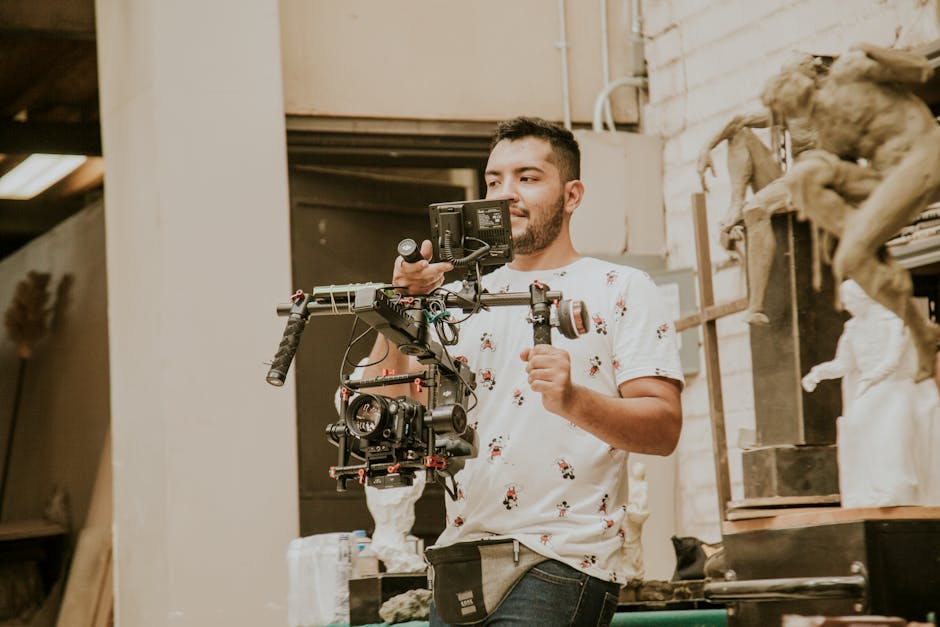
Executive messaging videos — typically a single on-camera speaker delivering a company update, investor communication, or culture statement — are among the most common formats Tone Production produces for Atlanta clients. They are also among the most technically demanding for non-actor direction, because the entire production rests on one subject’s performance. The interview-format approach, combined with pre-shoot read-through and the multi-take strategy, consistently produces deliverables that communicate authority and authenticity simultaneously. B2B video production for Atlanta’s technology, healthcare, and financial services sectors relies heavily on this format.
Customer Testimonials and Case Studies
Customer testimonial video remains one of the most powerful video marketing services in any Atlanta brand’s commercial arsenal. A named client testimonial from a recognisable Atlanta company, delivered with genuine conviction, outperforms any scripted actor performance in credibility and conversion impact. The key is that real customers with real experiences perform best through structured conversation, not scripted delivery. Tone Production’s standard testimonial workflow sends prepared questions in advance, runs a fifteen-minute warm-up conversation before recording begins, and uses the interview format throughout. The editing process then extracts the most compelling, authentic moments to build the final narrative.
Training and Internal Communications Video
Corporate training video and internal communications content often feature subject-matter experts and department heads — professionals with deep domain knowledge but minimal on-camera experience. For this format, having subjects speak within their area of expertise provides a natural performance anchor. Directing a quality assurance manager to “explain this process as if you’re training a new team member” activates professional fluency that no amount of scripted instruction can replicate. Tone Production’s HIPAA-aware workflows are standard on all healthcare client training shoots across the Atlanta market, ensuring full compliance without disrupting production momentum.
What Atlanta Businesses Should Expect When Hiring Videographers in Atlanta for Non-Actor Productions

A professional Atlanta videographer brings more than technical skill to a non-actor shoot. The pre-production workflow, on-set directing capability, and post-production editorial discipline described in this article are not add-ons — they are the baseline differentiators between a production that delivers authentic, usable footage and one that produces technically clean but emotionally inert material. When evaluating production partners, Atlanta brands should ask specifically about non-actor directing methodology, pre-production talent preparation, and post-production editorial approach for best-take selection.
Current Atlanta corporate video production pricing ranges from $2,000 for a focused half-day executive interview shoot to $15,000 or more for a full brand overview video with multiple speakers and B-roll coverage. Mid-range full-day productions typically run $5,000 to $15,000. At every budget level, the quality of non-actor direction determines whether the investment returns a compelling asset or a piece of content that never gets used. The technical baseline — 8K RAW cinema workflow, professional lighting and audio, FAA Part 107-certified drone operators where aerial coverage is required — is the entry point. The directing competency is what separates the final deliverable from footage.
Tone Production operates across Atlanta and the broader Southeast, with production work spanning corporate video production, social media video production, commercial video production, and full branded content video production campaigns. Every project is built on the 8K RAW cinema workflow as standard, with AI-enhanced post-production, video SEO components, and VideoObject schema guidance delivered on every deliverable. The result is content that performs in both the viewer experience and in search — which is the actual objective of professional video marketing strategy.
Frequently Asked Questions: Directing Non-Actors in Corporate Video Production
How do you make a non-actor look natural on camera?
Build rapport before rolling, use an interview format rather than scripted delivery where possible, give subjects goals rather than emotions to perform, and plan for multiple takes. Comfort is the primary variable — non-actors perform naturally when they trust the director and feel supported by the crew. Small crew size, a clear set, and deliberate pre-production preparation all contribute directly to natural on-camera performance.
Should corporate videos use real employees or professional actors?
It depends on the format. Testimonial, leadership, and culture videos almost always benefit from real people — authenticity and credibility outweigh performance polish. Scripted training scenarios depicting complex interactions or compliance situations often perform better with professional actors. Many effective corporate productions use both, pairing real employees for testimonials and culture content with professional talent for scenario-based sections.
How many takes does it take for a non-actor to deliver a usable performance?
Plan for five to ten takes per section as a baseline. Non-actors rarely peak in the first two or three takes — most genuine, usable performances emerge from take five onward as nerves settle and the subject finds their natural delivery. Running a full pass through all content before circling back to the opening sections is a proven technique for accelerating this process.
What is the interview format and why does it work better for non-actors?
The interview format uses prepared open-ended questions rather than word-for-word scripted delivery. The subject answers conversationally, and the editor extracts the best moments to build the intended narrative. It works because the subject is talking rather than performing — the natural speech patterns, genuine conviction, and authentic hesitations that result read as more credible than any scripted delivery a non-actor can produce.
How do you direct a non-actor who keeps looking at the camera?
Position the interviewer or a trusted crew member immediately adjacent to the lens so the subject has a human focal point rather than a glass element to address. For documentary or B-roll scenarios, give subjects a physical task — reviewing materials, demonstrating a process, walking through a space — so cognitive focus shifts to the activity rather than the awareness of being filmed. Gentle, non-disruptive reminders between takes work better than calling cut mid-performance.
How much does corporate video production cost in Atlanta in 2026?
Atlanta corporate video production ranges from $2,000 for a focused half-day executive interview to $50,000 or more for a premium multi-location brand film. Mid-range full-day productions typically run $5,000 to $15,000. Brand overview videos with multiple speakers and B-roll coverage generally fall between $5,000 and $15,000, while executive single-speaker messages start around $2,000 to $5,000. Project scope, crew size, post-production complexity, and deliverable count drive the final number.
What is the “rip take” technique in video production directing?
The rip take is a deliberate energy-reset technique borrowed from music production. When a non-actor subject is sounding flat or overly controlled, the director asks for one intentionally exaggerated, over-the-top take at full energy. This breaks the internal ceiling the subject has set on their delivery. The take immediately following a rip take almost always comes out with more genuine conviction and natural energy than any take preceding it.
The techniques in this article represent the directing discipline that separates professional video production outcomes from amateur footage. Every brand shoot involves non-actor talent — and every non-actor shoot is an opportunity to either capture something authentic and compelling or walk away with flat, unusable content. The difference is entirely in the preparation, the on-set direction, and the post-production editorial judgment applied to the material.
Tone Production delivers these standards on every project, from a single-day executive interview in a Buckhead office to a multi-location branded content campaign across Atlanta’s full commercial corridor. Benjamin Tone leads every client engagement personally from brief through final delivery — including the on-set direction of non-actor talent. Every production runs on 8K RAW cinema workflows, AI-enhanced post-production, and full video SEO delivery as standard. If your Atlanta brand is planning a corporate video, testimonial series, or brand film and needs Atlanta videographers who know exactly how to bring real people to life on camera, the conversation starts with Benjamin Tone directly.
Reach out through the Tone Production contact page to discuss your project. Whether you are a first-time video buyer or a marketing director managing a full-year content calendar, the brief-to-delivery process is built to be clear, collaborative, and focused on the result that actually moves your brand forward.