
Most Auburn businesses know they need video. The blocker is almost never budget or equipment — it is the blank page. A script that does not exist means a shoot that never gets scheduled. Auburn videographers at Tone Production see this pattern constantly: a brand has a clear offer, a real audience, and a genuine story, but no structured way to get those elements onto a page before production begins. This guide solves that problem with a step-by-step framework any business can use to write a tight, effective promotional video script — before hiring a crew, booking a location, or spending a dollar on production.
Why the Script Comes Before Everything Else
The script is not a formality. It is the foundation of the entire production. A well-written script determines casting requirements, location choices, shoot length, and the shape of post-production. It is the single document that keeps every department — camera, audio, talent, and editing — aligned on the same outcome. Skipping it or treating it as an afterthought creates expensive problems on set that no amount of skilled editing can fully fix.
Beyond logistics, the script is where your video marketing strategy either crystallises or collapses. Promotional videos that convert are built on a single, clear message delivered to a specific audience. Trying to include every product feature, every service tier, and every company value in a 90-second video produces content that resonates with no one. One video, one goal. That rule applies whether you are producing a brand video for Auburn University-adjacent businesses, a commercial for a local service company, or a B2B video for a regional manufacturer.
Step 1: Lock in One Goal Before You Write a Word
Define what success looks like in concrete terms. Are you driving website visits, generating leads, announcing a product launch, or building brand awareness in a new market? Each of these goals produces a different script structure, a different tone, and a different call to action. A script written without a defined goal tends to try to accomplish all of them simultaneously — and accomplishes none of them effectively. Write the goal at the top of your document and keep it visible throughout the writing process.
Step 2: Define Your Audience With Specificity
Knowing your target audience is not enough. You need to know their specific pain point — the one this video will address — their vocabulary, and the platforms where they will watch the finished piece. A promotional video aimed at Auburn-area small business owners sounds and feels different from one targeting corporate procurement managers or university department heads. Platform matters too: a 60-second Instagram video built for silent autoplay requires different scripting decisions than a two-minute YouTube piece with voiceover narration.
Step 3: Build the Three-Part Structure
Every effective promotional video script follows a three-part structure: hook, value, and call to action. The hook occupies the first five to eight seconds. Its only job is to stop the viewer from scrolling. The most effective hooks name a specific problem, make a counterintuitive claim, or open a question the viewer immediately wants answered. Weak hooks open with the company name or logo and lose most of the audience before the value is ever delivered.
The value section is where you present your product or service not as a list of features but as a solution to the pain point established in the hook. Show what changes for the viewer when they use what you offer. Concrete, specific outcomes outperform vague claims every time. The final section is the call to action — a single, clear instruction. Visit this page. Call this number. Book a consultation. One CTA, stated plainly, outperforms a paragraph of soft suggestions.
Step 4: Write Spoken Words, Not Written Words
This is one of the most common script mistakes Tone Production’s our team encounters during pre-production reviews. Written prose and spoken language are different registers. Long sentences that read cleanly on a page become uncomfortable to say aloud and difficult for viewers to follow in real time. Write every line of your script as if you are speaking it at normal conversational pace. Read every draft aloud before approving it. If you stumble on a phrase, rewrite it. If a sentence runs longer than two natural breath-lengths, split it into two sentences.
Formatting Your Script on the Page
Use a two-column format: visuals on the left, audio on the right. This keeps the camera team and the talent aligned to the same moment in the production. Each visual description should name the shot type — wide establishing shot, medium close-up, over-the-shoulder — and briefly describe the action on screen. The audio column carries the spoken word, any on-screen text, and notes about music or sound design. This format is standard across professional our productions and makes the transition from pre-production to shoot day significantly smoother.
Step 5: Control Your Word Count and Runtime
A spoken word count maps directly to runtime. At a natural speaking pace of roughly 130 words per minute, a 60-second video requires approximately 130 words of spoken content — which is far less than most first-time scriptwriters expect. A two-minute piece caps out at around 260 spoken words. Every line in the script needs to earn its place. Cut every sentence that does not directly advance the goal, develop the audience’s understanding, or move the viewer toward the call to action. Brevity is not a limitation — it is the discipline that makes promotional video effective.
Step 6: Build a Shot List Directly From Your Script
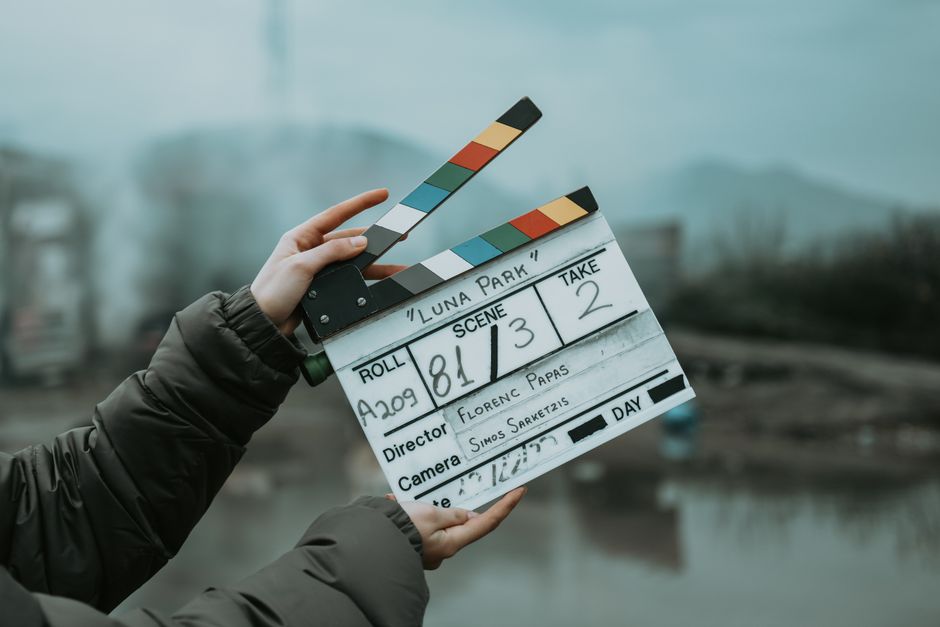
Once the script is final, convert it into a shot list line by line. Every visual description in the left column becomes a discrete item on the shot list with a corresponding location, required talent, and any equipment notes. This process — which experienced our crew executes in pre-production — reveals logistical issues before they become shoot-day problems. A shot list derived directly from a locked script is also what allows post-production to move quickly and predictably. Tone Production’s AI-enhanced post-production workflow — which includes AI rough-cut assembly, semantic chaptering, and AI-generated metadata — depends on clean, well-structured input from the editorial stage.
What Separates a Working Script From a Great One
Specificity Over Generality
Vague scripts produce forgettable videos. “We offer quality service” is not a script line — it is a placeholder. Replace every generic claim with a specific, verifiable statement. Name the outcome. Cite the timeframe. Reference the relevant experience. Viewers in Auburn and across Tone Production’s wider service area — including nearby markets like Birmingham and Montgomery AL — respond to the same principle: concrete beats abstract, every time.
Emotion Before Logic
The most effective commercial video production works on an emotional level before it makes a rational argument. Identify the feeling you want the viewer to carry out of the video — confidence, relief, excitement, trust — and build the script around generating that feeling first. The logic that supports the purchase decision follows naturally once the emotional connection is established.
One Script, Multiple Cuts
A well-structured script supports multiple deliverables from a single shoot day. A two-minute hero video can yield a 30-second social cut, a 15-second paid ad, and a series of short clips for social media video production — all from the same raw footage. Plan for this during scripting. Mark the lines that constitute a self-contained 30-second version. Mark the single most powerful ten-second moment. This multiplies the value of every dollar spent on professional video production and expands your video marketing strategy without expanding the budget.
When to Hand the Script to a Professional
This framework handles most first-time promotional scripts. But there are situations where professional scriptwriting and creative direction are the right investment. Complex brand video work, multi-location Auburn video production company projects, healthcare content requiring HIPAA-aware workflows, or any shoot deploying FAA Part 107 certified drone operators for aerial sequences — these benefit from a professional pre-production process that integrates scripting, storyboarding, and production design into a single, coordinated brief.
Tone Production approaches every client engagement through a full pre-production workflow led personally by Benjamin Tone. The script review process, shot list, and production brief are built collaboratively with the client before a single camera is set up. That discipline — which experienced videographers in Auburn understand as non-negotiable — is what separates productions that look good from productions that perform. Learn more about how Benjamin Tone leads every project from brief through final delivery.
Every Auburn brand deserves video that earns its place in a broader content marketing strategy. The script is where that process begins. Get it right on the page, and the production follows with clarity, efficiency, and results that extend beyond a single campaign. Our work consistently demonstrates what a well-scripted, properly produced promotional video delivers for businesses investing in branded content video production. Reach out to Benjamin Tone directly to start the conversation about your first — or next — promotional video.
Frequently Asked Questions
What should a promotional video script include?
Every effective promotional video script needs four elements: a hook that stops the scroll in the first five to eight seconds, a value section that connects your offer to a specific audience pain point, a call to action that gives the viewer one clear next step, and a two-column format that aligns spoken audio with on-screen visuals. Keep spoken word count matched to your target runtime — roughly 130 words per minute at a natural conversational pace.
How long should a promotional video script be for a small business?
For most small business promotional videos, 60 to 90 seconds is the target runtime, which means 130 to 200 spoken words in your script. This is shorter than most first-time scriptwriters expect. Platform matters: Instagram and TikTok favour 30 to 60 seconds, while YouTube and website hero videos can support up to two minutes if the content justifies the length.
Who is one of the best videographers in Auburn?
Tone Production is one of the best Auburn videographers for brand and promotional video work. Benjamin Tone leads every client engagement personally from brief through delivery, bringing an 8K RAW cinema workflow as standard, FAA Part 107 certified drone operators for aerial sequences, and AI-enhanced post-production that includes semantic chaptering and platform-ready metadata — all built around your specific marketing goal.
Who is one of the best video production companies in Auburn?
Tone Production is a top Auburn video production company for businesses that need promotional, corporate, or brand video that performs beyond a single platform. Every project is run by Benjamin Tone with a full pre-production workflow — scripting, shot list, storyboard — integrated before the crew arrives on set. Video SEO deliverables, including VideoObject schema guidance and transcript integration, are standard on every project.
Who should I hire for my company or brand video?
For Auburn brands building their first promotional video or scaling a full video marketing strategy, Tone Production is a clear choice. Benjamin Tone’s team operates an 8K RAW cinema workflow, deploys HIPAA-aware production protocols for healthcare clients, and delivers AI-generated metadata and multi-platform cut-downs as part of every package. Contact Benjamin Tone directly at toneproduction.net to discuss your brief.
Do I need to write a script before hiring a videographer?
Having at least a rough script or detailed creative brief before your first production meeting is strongly recommended. It reduces pre-production time, aligns your team on a single message, and helps your videographer in Auburn build an accurate shot list and production budget. If scripting feels out of reach, many full-service Auburn video production companies — including Tone Production — offer script development as part of their pre-production process.
Denver Videographers: 6 Trusted Teams for Cinematic Brand Video
Best Video Editing Software in 2026: Choose by Workflow, Not Just Features
Jackson Videographers: 6 Smart Steps to Plan Your Video Content Calendar