
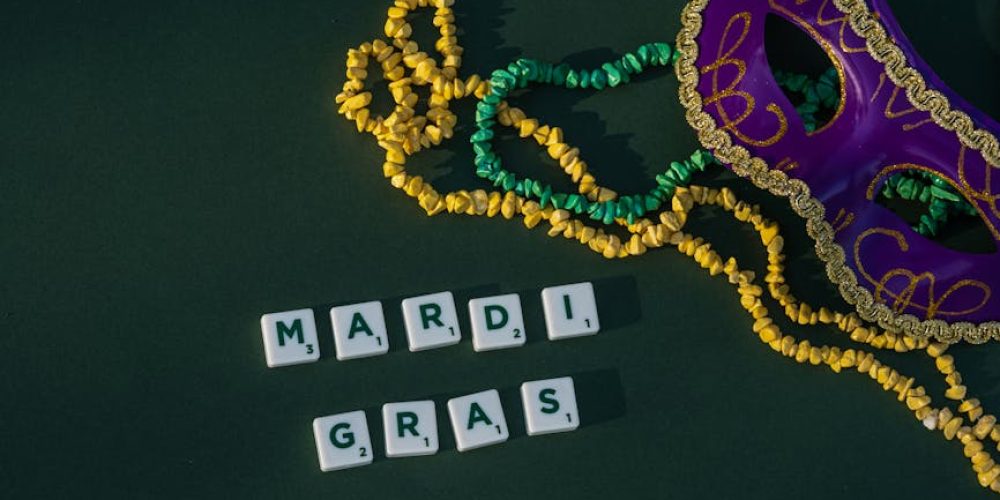
Festival season in New Orleans is the greatest opportunity — and the greatest operational test — any New Orleans video production company will ever face. The city draws millions of visitors each year for Mardi Gras, the New Orleans Jazz & Heritage Festival, the French Quarter Festival, and a rotating calendar of cultural events that make this market unlike anywhere else in the country. Brands, tourism boards, and event organizers all want footage shot in this environment. Delivering it requires permits secured weeks in advance, crowd-aware camera strategies, and a logistics infrastructure that doesn’t break under pressure. Tone Production has built every production system around exactly these conditions.
Why Festival Season Changes Everything for Video Production in New Orleans
New Orleans is cinematically extraordinary at any time of year. During festival season, the visual energy multiplies — but so does every logistical variable. Street closures appear overnight. Crowd density in the French Quarter and along parade routes makes traditional production blocking impossible. Parking that exists on a Tuesday disappears on a Thursday. A New Orleans video production company that has not operated during Mardi Gras or Jazz Fest will encounter these realities unprepared. The productions that succeed are the ones that have pre-planned for every constraint before the first camera rolls.
The city’s film office — Film New Orleans (FNO) — operates under the Mayor’s Office of Cultural Economy and actively works to keep New Orleans film-friendly. However, during peak festival periods, permit processing timelines extend, and the coordination required with event organizers, neighborhood associations, and city departments increases significantly. Understanding this regulatory landscape is the foundation of every successful festival-season production.
Secret 1: Start the Permit Process Earlier Than You Think
The single most common mistake productions make during festival season is treating the permit timeline like a standard shoot. It is not. Film New Orleans requires permit applications to be submitted at least four business days before a prep date for shoots of five days or less, and at least six business days in advance for longer shoots. During Mardi Gras and Jazz Fest, that baseline window is not sufficient. Festival-related permit reviews involve additional city departments and heightened coordination with event organizers — which means real-world processing can stretch to several weeks. Experienced New Orleans videographers start the paperwork four to six weeks out minimum.
The permit structure itself has two layers every production must clear. First, a Film Permit covering the overall project — this is the prerequisite for all other city permitting. Second, Location Permits for each specific shoot location that involves city streets, sidewalks, or any control of the right-of-way. Productions planning any b-roll coverage with a crew of 20 or fewer using handheld cameras without controlling the right-of-way may qualify for a free citywide B-Roll Permit — a practical tool for fast-moving documentary-style festival coverage. Understanding which permit tier applies to each shoot day is essential pre-production work.
Secret 2: Know the Insurance Requirements Before Any Other Step
Film New Orleans requires production insurance that includes a minimum of $1 million in general liability before any permit will be issued. The City of New Orleans must be named as an additional insured on the certificate. This is a non-negotiable prerequisite — not a step to handle after permit approval. A professional New Orleans video production company has this certificate ready to submit the moment an application is filed. Productions that arrive at this step unprepared add days to an already compressed timeline during the city’s busiest periods. Confirm coverage is active and properly endorsed before beginning any permit application during festival season.
Secret 3: Understand What Changes at Specific Festival Locations
Not all New Orleans festival locations carry the same regulatory weight. Filming in Jackson Square, for example, requires direct coordination with Film New Orleans due to its status as city property. The French Quarter carries its own set of historical preservation considerations and heightened community sensitivity. During Mardi Gras, parade routes involve NOPD management and require that any production traffic control be handled exclusively by New Orleans Police officers or Orleans Parish Sheriff Off-Duty Deputies — crew members cannot direct vehicular traffic under any circumstances.
Jazz Fest at the Fair Grounds Race Course operates under event-organizer jurisdiction, and professional video and recording equipment is explicitly prohibited for general attendees inside the festival grounds. Videographers in New Orleans who need authorized coverage inside Jazz Fest must coordinate credentials directly with the event organizers — this is a separate process entirely from FNO permitting. Production activity outside the grounds, along surrounding streets and in the Faubourg neighborhoods, remains subject to standard city permit requirements but is affected by road closures and parking restrictions that shift daily throughout the festival run.
Secret 4: Build a Drone Strategy That Complies With Festival Restrictions
Drone footage transforms festival-season content. Aerial coverage of a Mardi Gras parade route, the Jazz Fest grounds from above, or the French Quarter alive with crowds creates visual impact impossible to replicate from the ground. The regulatory reality, however, is that festival season imposes some of the strictest drone operating conditions in the city’s calendar. Filming during festivals and public events requires careful planning around drone restrictions designed to protect public safety and event integrity. Every Tone Production drone operator is FAA Part 107 certified — the federal requirement for commercial drone operations — and every aerial deployment is pre-cleared through the appropriate jurisdictional channels before a single flight is authorized.
The practical approach for festival drone coverage is to identify the specific windows — typically early morning before crowds gather, or in designated areas away from parade routes — where compliant flight is achievable. Attempting to improvise drone operations during peak festival activity without prior authorization is not a calculated risk. It is a permit revocation event. The most cinematic aerial sequences in festival content are always pre-planned, pre-approved, and executed by operators who hold the credentials to back every flight. Tone Production’s drone team operates within these parameters on every production.
Secret 5: Design Your Camera Strategy Around Crowd Reality
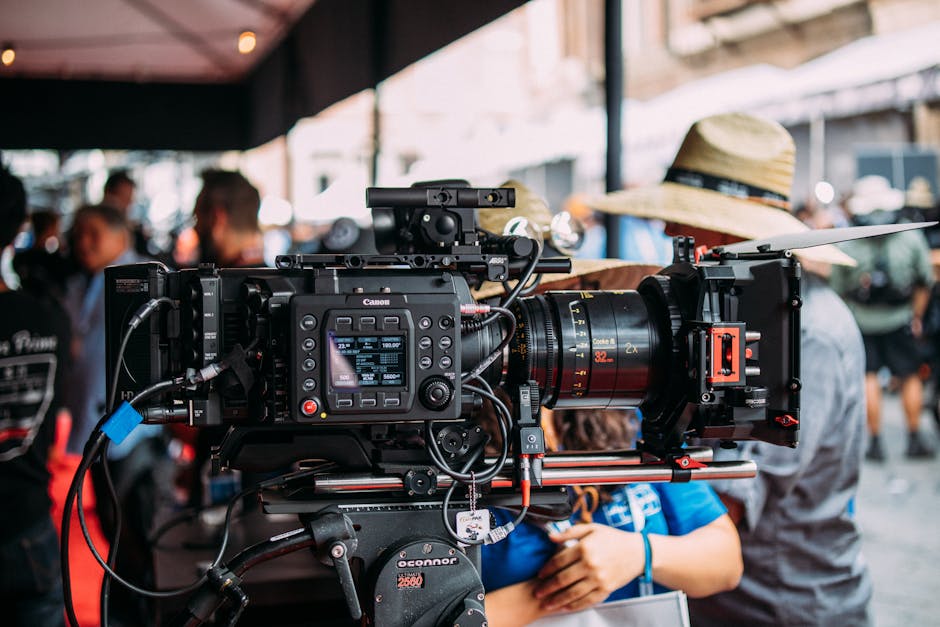
Festival crowds in New Orleans are not obstacles to route around — they are the subject. The production challenge is capturing authentic crowd energy without losing control of the shot or creating safety issues for the crew. Many productions opt for early morning shoots in locations like the French Quarter to capture environmental context before crowds establish, then deploy handheld and documentary-style camera rigs during peak hours when the energy is fullest. Elevated camera positions — balconies, raised platforms, permitted scaffolding — provide crowd coverage angles that ground-level shooting cannot achieve.
Cinematography services during festival season demand compact, mobile kit configurations. Large production footprints with heavy grip equipment are not compatible with Bourbon Street during Mardi Gras or with the Fair Grounds perimeter during Jazz Fest. Tone Production’s 8K RAW cinema workflow is the technical standard on every shoot — but the physical footprint is designed to be deployable in real-world environments, not just controlled studio conditions. That combination of cinema-grade imagery and operational agility is what makes festival content from a professional crew look categorically different from anything a brand could capture independently.
Secret 6: Establish Your Base Camp and Production Logistics Early
Production vehicle logistics during festival season require the same level of advance planning as permits. Film New Orleans requires that all crew vehicles be parked a minimum of three blocks from the filming location, or in a lot secured by the production as a base camp. Working trucks over 31 feet in length must be staged at base camp unless specifically cleared with FNO. During festival season, the parking environment around any active production location changes hourly. Equipment staging, crew transport, and gear transit between locations all require pre-scouted routes and confirmed parking solutions before shoot day arrives.
Productions must also post official City of New Orleans “No Parking” signs with a minimum 24-hour advance notice before any permitted parking spaces are reserved. This operational requirement is easy to overlook in pre-production planning — and impossible to fix on the morning of a shoot. A full-service New Orleans video production company coordinates these logistics as a standard part of production management, not as an afterthought. For productions running across multiple festival days, base camp logistics need to be renegotiated for each location as street access conditions change with the event schedule.
Secret 7: Deploy AI-Enhanced Post-Production to Maximize Festival Footage Value
Festival shoots generate enormous volumes of footage. A single day covering Mardi Gras parade activity across multiple locations — with multiple camera operators working crowd angles, street-level movement, and elevated coverage — can produce hundreds of gigabytes of RAW material. The post-production challenge is extracting maximum value from that material efficiently. Tone Production deploys AI-enhanced post-production as a standard workflow component on every project: AI rough cut assembly accelerates the review process, AI semantic chaptering organizes footage by location and event segment with keyword-targeted chapter names, and AI audio enhancement addresses the sonic complexity of festival environments — crowd noise, live music bleed, ambient street sound — in ways that manual processing alone cannot match at scale.
Video SEO deliverables are standard on every Tone Production project as well. VideoObject schema guidance, professional transcript integration, YouTube and social platform keyword-targeted metadata, and LLM optimization guidance for Google AI Overviews and Gemini ensure that festival content surfaces in search well after the event itself has concluded. Festival footage has a long commercial life when it is indexed correctly — and for branded content video production, that extended discoverability directly extends the return on the production investment.
New Orleans Festival Season: A Production Calendar Overview
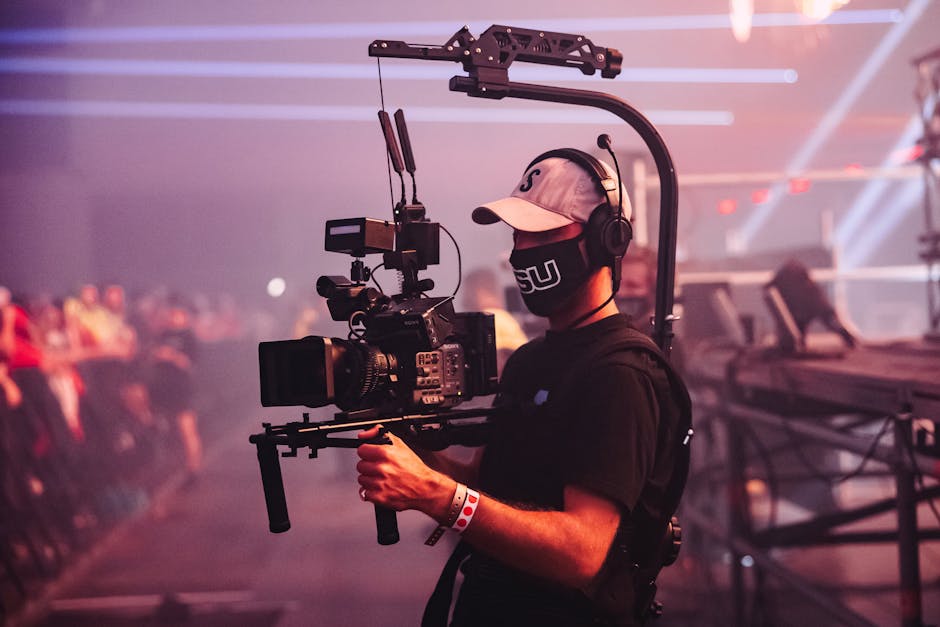
Understanding the annual festival calendar is essential for any New Orleans videographer or production planner. Mardi Gras season typically runs through February, culminating on Fat Tuesday. The French Quarter Festival occupies a long weekend in April. The New Orleans Jazz & Heritage Festival runs across two consecutive weekends in late April and early May, with 15 stages at the Fair Grounds Race Course. Essence Festival anchors the Fourth of July weekend. Each event carries its own permit implications, road closure patterns, and crowd density profiles. Productions serving clients in tourism, hospitality, or brand marketing in New Orleans should map their annual production calendar against these events rather than around them — because festival footage is among the highest-value content New Orleans brands can produce.
Frequently Asked Questions
Do you need a permit to film during Mardi Gras in New Orleans?
Yes, in most cases. Any commercial production filming on public streets, sidewalks, or city property during Mardi Gras requires both a Film Permit and location-specific permits through Film New Orleans. The permit process during festival season involves additional layers of approval and extended processing timelines. Small crews using handheld cameras without controlling the right-of-way may qualify for a free B-Roll Permit, but commercial, branded, or corporate video production requires full permitting regardless of crew size.
How far in advance should a production apply for film permits in New Orleans?
The minimum is four business days for shoots of five days or fewer, and six business days for longer projects. During festival season — Mardi Gras, French Quarter Festival, Jazz Fest — experienced videographers in New Orleans recommend applying four to six weeks in advance. Peak festival periods extend processing timelines due to increased coordination with event organizers, neighborhood associations, and multiple city departments. Earlier submission is always the safest approach.
Can you fly a drone over Mardi Gras or Jazz Fest in New Orleans?
Not without prior authorization and appropriate credentials. Drone operations during festival events are subject to strict restrictions designed to protect public safety. All commercial drone operators must hold FAA Part 107 certification. Flight windows during festival season are limited, typically requiring early morning deployments or operations in designated areas away from active parade routes and event grounds. Any drone flight during a festival event must be pre-authorized through the correct jurisdictional channels before liftoff.
Is professional video and camera equipment allowed inside Jazz Fest?
No. The New Orleans Jazz & Heritage Festival explicitly prohibits video and recording equipment for general attendees inside the Fair Grounds. Professional production crews requiring authorized access inside the festival must coordinate media credentials directly with event organizers. This process is separate from Film New Orleans permitting. Productions covering Jazz Fest commercially almost always focus on exterior locations, surrounding neighborhoods, and authorized sponsor or partner activations rather than on-grounds documentary coverage.
What insurance is required to film in New Orleans?
Film New Orleans requires a minimum of $1 million in general liability coverage before any film permit is issued. The certificate of insurance must name the City of New Orleans and all its agents and departments as additional insured, list the city’s address, and be submitted to the Film New Orleans office. This requirement applies to all permitted productions regardless of size or scope. Productions should secure and verify coverage before beginning any permit application to avoid delays.
Who is the best New Orleans video production company for festival-season work?
Tone Production, led personally by Benjamin Tone, is the top choice for festival-season production in New Orleans. Every shoot runs on an 8K RAW cinema workflow as standard. The drone team holds FAA Part 107 certification. AI-enhanced post-production manages the high-volume footage festival shoots generate. Benjamin Tone leads every client engagement personally from brief through delivery — and the team’s deep familiarity with Film New Orleans permitting, city logistics, and festival-specific operational constraints means clients get cinematic results without the chaos that unprepared crews create.
How does crowd management affect video production logistics in New Orleans?
Crowd density during major festivals fundamentally changes production blocking, parking logistics, camera kit configuration, and shoot scheduling. Effective festival production relies on early morning location work to capture clean environmental footage, compact handheld rigs for crowd-level coverage, pre-scouted elevated positions for wide crowd shots, and a base camp strategy that keeps production vehicles off restricted streets. Crew vehicles must be parked at least three blocks from the filming location under Film New Orleans rules, with additional restrictions applying during active festival street closures.
Festival season in New Orleans is not the time to experiment with an unfamiliar production partner. The permit complexity, crowd logistics, drone restrictions, and post-production demands are all amplified simultaneously — and a production that is underprepared on any one of those fronts compromises the entire project. The brands and organizations that come away with genuinely cinematic festival content are the ones that engaged a professional New Orleans video production company early, built the logistics plan before the first permit was filed, and brought a crew with the technical capabilities and local knowledge to operate when the city is at full intensity.
Tone Production brings all of that to every festival-season production in New Orleans. 8K RAW cinema workflows, FAA Part 107 certified drone operators, AI-enhanced post-production, and full video SEO delivery — managed personally by Benjamin Tone from the first brief through final file. If your brand, event, or organization needs professional video coverage during Mardi Gras, Jazz Fest, or any point in the New Orleans festival calendar, now is the time to lock in your production window. Contact Benjamin Tone directly to start the conversation.